
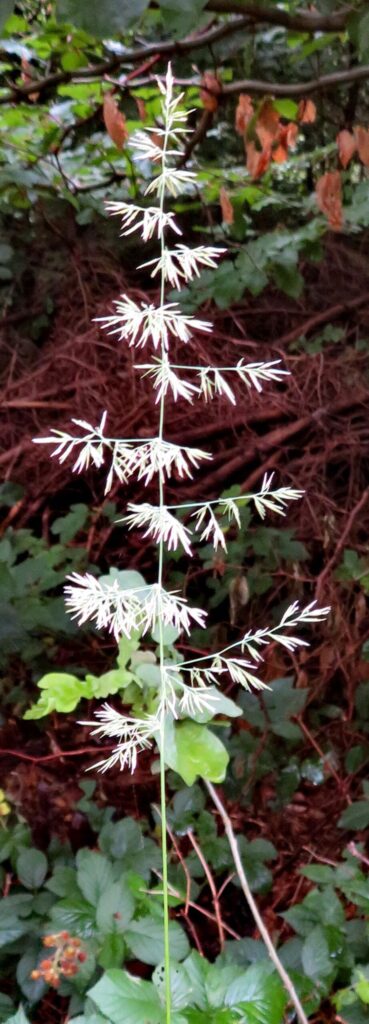
Taming the Tenacious: Propagating Canada Bluegrass (Poa compressa)
Canada bluegrass (Poa compressa) – you might know it as flattened meadow grass or wiregrass – is one of those plants often found where you least expect it. It thrives in the harshest conditions, stubbornly clinging to life in compacted soils, rocky outcrops, and even sidewalk cracks. This hardiness makes it a popular choice for low-maintenance lawns and erosion control, but it also raises the question: how do you actually propagate this tenacious grass?
While Canada bluegrass might seem like it propagates itself just fine without human intervention (and it often does!), controlled propagation is key for intentional planting and ensuring a healthy, vigorous stand. Here, we’ll explore the two main methods:
1. Seed Propagation:
Starting Canada bluegrass from seed is the most common and economical method, perfect for covering large areas. Here’s how:
- Timing is Everything: For best results, sow seeds in late summer or early fall. This allows the seedlings to establish before winter sets in, taking advantage of cooler temperatures and potential for fall moisture.
- Preparing the Seedbed: Canada bluegrass prefers well-drained soil, but it’s tolerant of a wide range of soil types. Loosen the top 3-4 inches of soil and remove any existing vegetation. If your soil is poor, amend it with compost for added nutrients.
- Sowing the Seeds: Broadcast seeds evenly over the prepared area. Aim for a seeding rate of 2-3 pounds per 1,000 square feet. Gently rake the seeds into the soil surface, ensuring good seed-to-soil contact.
- Watering Wisely: After sowing, keep the area consistently moist but avoid overwatering. A light, frequent watering schedule is ideal. Once established, Canada bluegrass is relatively drought-tolerant.
- Patience is Key: Germination can take anywhere from 10 days to 3 weeks depending on soil temperature and moisture. Don’t be discouraged if you don’t see sprouts immediately.
2. Division:
For established stands of Canada Bluegrass, division is an effective way to propagate and thin out dense patches. Here’s the process:
- Choose the Right Time: Spring or early fall, when the grass is actively growing, is ideal for division.
- Digging Up: Carefully dig up a section of the grass, ensuring you get a good portion of the root system.
- Dividing the Clump: Gently tease apart the root mass into smaller sections, each containing a good amount of roots and shoots.
- Replanting: Replant the divisions in the desired location, spacing them about 12 inches apart. Water thoroughly.
A Note on Patience and Maintenance:
Regardless of your chosen propagation method, remember that Canada bluegrass can be slow to establish. Be patient and continue to water regularly until the grass is well-rooted. Once established, this hardy grass requires minimal care – occasional mowing and fertilization are usually sufficient.
By following these propagation techniques, you can successfully harness the tenacity of Canada bluegrass, transforming it from a stubborn survivor to a valuable asset in your lawn or landscape.