
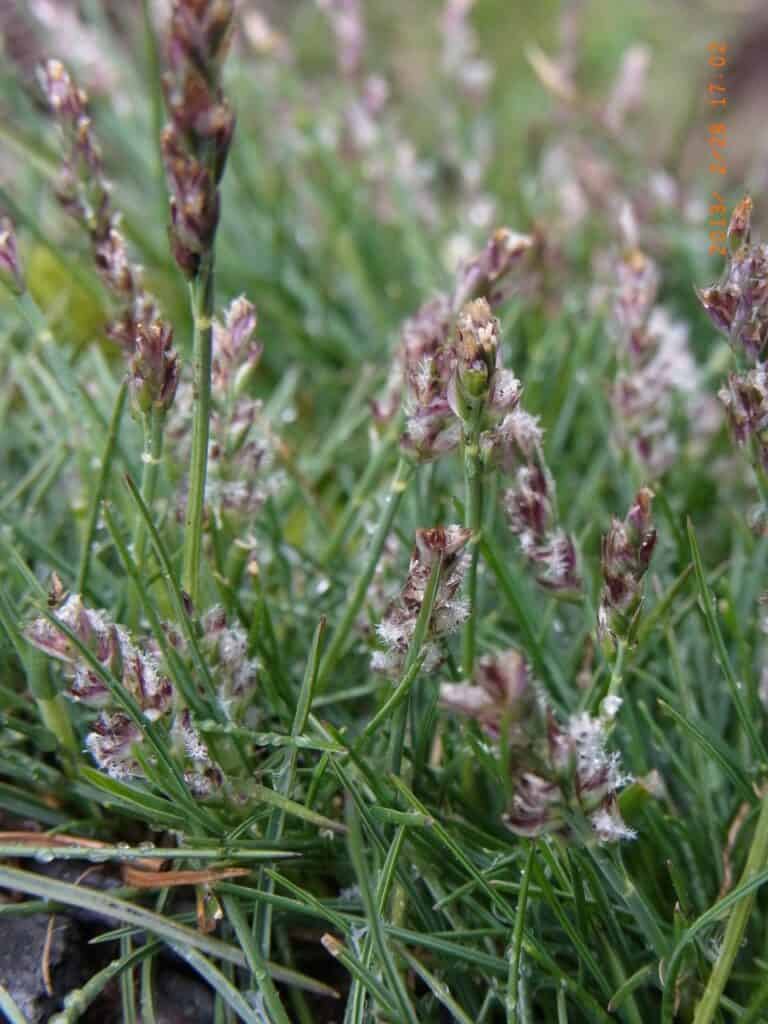
Taming the Tasmanian: How to Propagate the Exquisite Poa gymnantha
Imagine a lush, emerald-green carpet, soft and inviting, gracing your garden with an air of untamed beauty. That, my friends, is the magic of Poa gymnantha, a captivating grass native to the windswept plains and rugged mountains of Tasmania.
While perhaps not as widely known as some of its cousins, Poa gymnantha, also known as the "Tussock Grass" or "Blue Tussock Grass," boasts a unique charm. This cool-season grass flourishes with vibrant green foliage that takes on breathtaking hues of bronze, copper, and gold come autumn. But taming this wild beauty can seem daunting. Fear not, fellow plant enthusiasts, for we’re diving deep into the world of Poa gymnantha propagation.
Method 1: Division – The Tried and True
For the time-strapped gardener, division is the most efficient route to multiplying your Poa gymnantha. Here’s how:
- Timing is Key: Early spring is ideal, just as the plant awakens from its winter slumber.
- Divide and Conquer: Gently dig up a healthy clump, ensuring you capture a good root system. Use a sharp, clean knife or spade to divide the clump into smaller sections, each with healthy roots and shoots.
- Replant and Rejoice: Replant the divisions at the same depth they were originally growing, ensuring adequate spacing for their eventual spread. Water them in well and watch them flourish!
Method 2: Seed – A Labor of Love
Propagating Poa gymnantha from seed requires a touch more patience but provides the satisfaction of nurturing life from its smallest form. Follow these steps:
- Source Your Seeds: Purchase seeds from a reputable supplier or collect them from existing plants once the seed heads mature and turn golden brown.
- Prepare for Success: Sow seeds in a well-draining seed starting mix, lightly pressing them into the surface.
- Patience, Young Padawan: Keep the soil consistently moist and place the tray in a bright location, out of direct sunlight. Germination can take a few weeks, so don’t lose hope!
- Transplant with Care: Once seedlings have developed a few true leaves, transplant them into individual pots or directly into your garden, ensuring adequate spacing.
Nurturing Your New Additions
- Sunlight is Key: Poa gymnantha thrives in full sun to partial shade.
- Watering Wisely: While drought-tolerant once established, regular watering, especially during its initial growth, is crucial.
- Well-Drained Soil: This grass dislikes soggy roots, so choose a well-draining soil mix or amend your existing soil with compost or sand.
Why Choose Poa gymnantha ?
Beyond its striking beauty, this low-maintenance grass offers a host of benefits:
- Erosion Control: Its vigorous root system makes it an excellent choice for stabilizing slopes and preventing soil erosion.
- Wildlife Habitat: The dense tussocks provide shelter and nesting materials for birds and small mammals.
- Versatile Beauty: Perfect for borders, mass plantings, rock gardens, or even container gardening, Poa gymnantha adds texture and interest to any landscape.
So, there you have it! Don’t be intimidated by the exotic name, Poa gymnantha is surprisingly easy to propagate and care for. With a little patience and effort, you can enjoy the captivating allure of this Tasmanian treasure in your very own garden.