
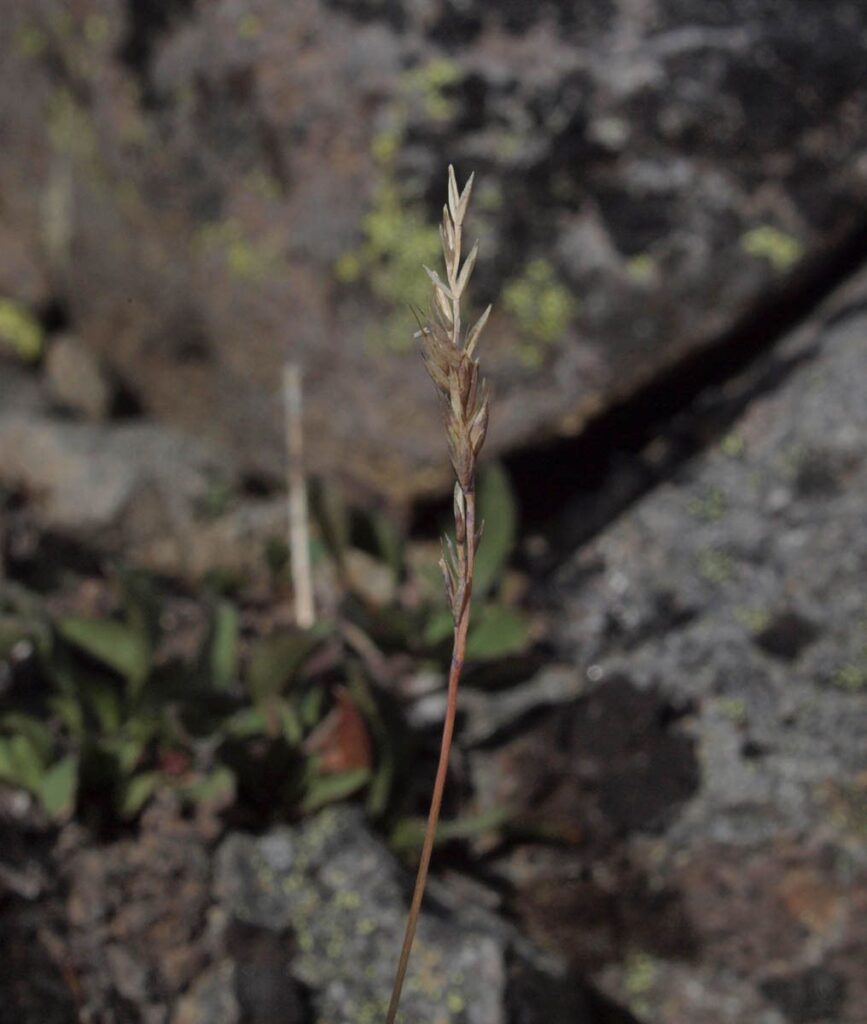
Unlocking the Secrets to Propagating Dwarf Bluegrass (Poa alpina)
Dwarf bluegrass, also known by its scientific name Poa alpina, is a compact and charming grass known for its beautiful blue-green foliage and adaptability to various climates. Whether you’re a seasoned gardener or just starting, propagating your own dwarf bluegrass can be a rewarding experience. This article delves into the different methods you can use to expand your grassy haven with this versatile plant.
Understanding Dwarf Bluegrass
Before we jump into propagation, let’s get to know our little friend a bit better. Dwarf bluegrass is a cool-season grass that thrives in cooler temperatures and tolerates partial shade. Its petite size, typically reaching only 4-8 inches in height, makes it ideal for rock gardens, edging, or even as a low-maintenance ground cover.
Propagation Methods
There are two primary ways to propagate dwarf bluegrass:
1. Division:
- When to divide: Spring or early fall are the ideal times for division, as the cooler temperatures and ample moisture support healthy root development.
- How to divide: Carefully dig up a mature clump of dwarf bluegrass, ensuring you get a good root system. Gently separate the clump into smaller sections, each with a healthy amount of roots and shoots. Replant these divisions in their desired locations, ensuring adequate spacing.
2. Seed:
- When to sow: You can sow dwarf bluegrass seeds in early spring or late summer. Fall sowing is also viable in milder climates where the ground doesn’t freeze too early.
- How to sow: Sow seeds on the surface of well-prepared, loose soil. Lightly press them into the soil, ensuring good contact but avoiding burying them too deep. Keep the soil consistently moist until germination occurs, which usually takes 10-14 days.
Tips for Success:
- Soil: Dwarf bluegrass prefers well-drained soil with slightly acidic to neutral pH levels. Amending your soil with compost before planting will improve drainage and provide essential nutrients.
- Water: While established plants are relatively drought-tolerant, regular watering is crucial during the initial establishment phase, whether from divisions or seeds.
- Sunlight: Although dwarf bluegrass tolerates partial shade, it thrives in locations with at least 4-6 hours of sunlight daily.
- Fertilizer: While not a heavy feeder, a light application of a balanced fertilizer in spring can promote lush growth.
- Pest & Diseases: Dwarf bluegrass is relatively resistant to pests and diseases, but keep an eye out for common issues like fungal diseases in overly wet conditions.
The Rewards of Propagation
Propagating your own dwarf bluegrass provides numerous benefits:
- Cost-effective: Expanding your garden with divisions or seeds is significantly cheaper than purchasing mature plants.
- Greater control: Propagation allows you to choose the healthiest and most vigorous plants for your garden.
- A sense of accomplishment: Witnessing the successful growth of plants you’ve propagated personally is a rewarding experience.
Propagating dwarf bluegrass, whether through division or seeds, is a relatively straightforward process. With a bit of patience and care, you can enjoy a lush and vibrant carpet of this adaptable and attractive grass in your garden.