
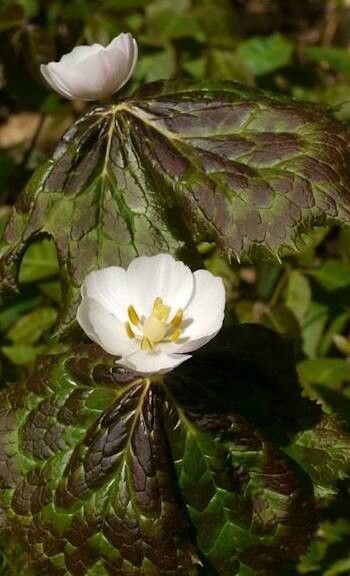
Unlocking the Secrets of Himalayan Mayapple Propagation: A Guide to Growing Podophyllum hexandrum
The Himalayan Mayapple, known scientifically as Podophyllum hexandrum, is a captivating woodland plant prized for its unique, umbrella-like foliage and vibrant red berries. While its beauty is undeniable, propagating this Himalayan gem can seem shrouded in mystery. Fear not, fellow plant enthusiasts, for we are about to demystify the art of growing Podophyllum hexandrum!
This guide dives deep into two primary methods of propagation – seed and rhizome division – outlining the steps, tips, and tricks for success.
Method 1: Seed Propagation – A Test of Patience
Propagating Podophyllum hexandrum from seed is not for the faint of heart. This method demands patience, as seedlings can take several years to reach maturity and produce flowers. However, the reward of nurturing a plant from a tiny seed is incredibly satisfying.
Step 1: Seed Collection and Preparation
Harvest ripe berries in late summer or early fall when they have turned a rich, deep red. Extract the seeds, clean off any remaining pulp, and allow them to dry for a few days.
Step 2: Cold Stratification – Mimicking Nature’s Rhythm
Podophyllum hexandrum seeds require cold stratification to break their dormancy. This mimics the natural winter conditions they would experience in their native habitat.
- Mix: Combine the seeds with a moist medium like vermiculite or sand.
- Store: Place the mixture in a sealed plastic bag and refrigerate for 2-3 months at a temperature between 33-41°F (1-5°C).
Step 3: Sowing and Patience
- Time: Sow the stratified seeds in the spring, either directly outdoors after the last frost or in seed trays filled with a well-draining potting mix.
- Depth: Plant the seeds about half an inch deep and keep the soil consistently moist.
- Location: Choose a shady spot with dappled sunlight for outdoor sowing or place the seed trays in a well-lit area but out of direct sunlight.
Germination can be erratic and may take several months. Be patient and don’t give up! Once the seedlings emerge and have a few sets of true leaves, you can thin them out or transplant them to individual pots.
Method 2: Rhizome Division – Faster Results, Same Satisfaction
For quicker results, rhizome division is the preferred method.
Step 1: Timing is Key
The best time to divide Podophyllum hexandrum rhizomes is in early spring or fall when the plant is dormant.
Step 2: Division with Care
- Dig: Carefully dig up a mature plant, ensuring you don’t damage the rhizomes.
- Divide: Using a sharp, clean knife, divide the rhizome into sections, ensuring each section has at least one growth bud.
- Replant: Replant the divisions immediately in a shady spot with well-draining soil, spacing them about 12-18 inches apart.
Cultivation Tips for Thriving Mayapples:
- Soil: Well-draining, humus-rich soil is ideal.
- Light: Partial shade to full shade mimics their natural woodland habitat.
- Moisture: Keep the soil consistently moist but avoid waterlogging.
- Fertilizer: A balanced fertilizer can be applied in spring.
- Pests & Diseases: Generally pest and disease free.
Propagating Podophyllum hexandrum is a rewarding experience that unveils the fascinating lifecycle of this unique plant. Whether you choose the patience-testing route of seed propagation or opt for the faster gratification of rhizome division, remember to provide the right conditions, and soon you’ll have a thriving colony of Himalayan Mayapples gracing your garden with their exotic charm.