
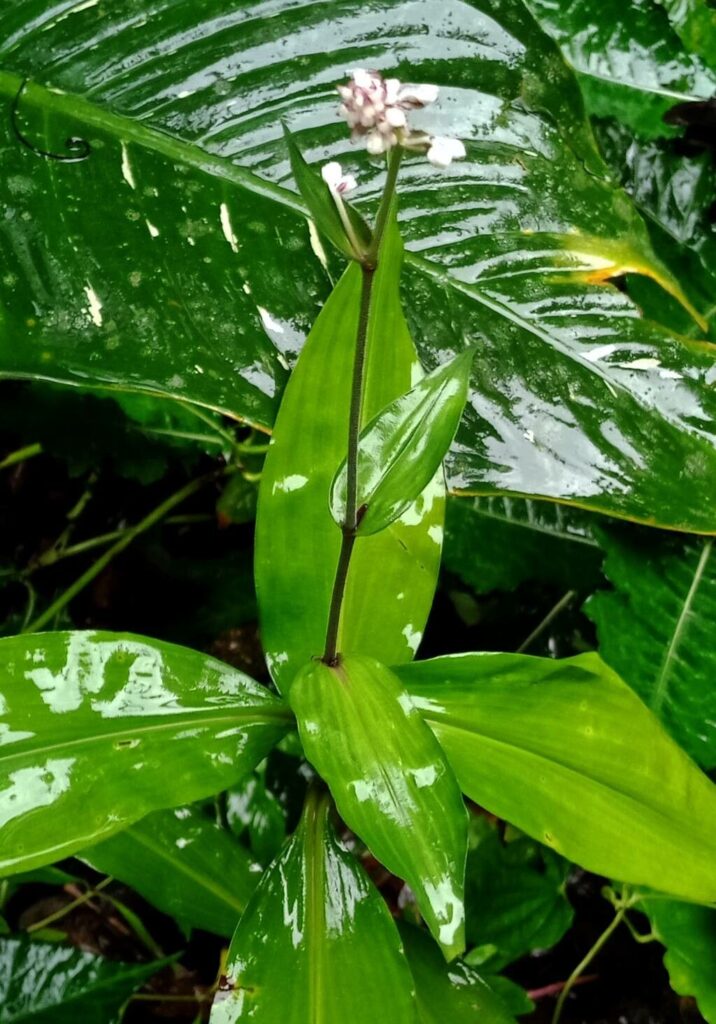
Unveiling the Secrets of Pollia Japonica Propagation: A Guide for Plant Enthusiasts
Pollia japonica, a captivating plant with iridescent blue berries, adds a touch of magic to any garden or home. Its dazzling colors, reminiscent of a jewel box, have captivated plant enthusiasts worldwide. But how can one cultivate these captivating beauties? Propagating Pollia japonica, while not a simple feat, is achievable with the right knowledge and techniques.
Challenges and Considerations:
Pollia japonica is notoriously challenging to propagate. Unlike most flowering plants, it doesn’t produce seeds readily, making seed propagation virtually impossible. The plant relies primarily on vegetative reproduction, meaning new plants are generated from existing plant parts.
Methods of Propagation:
-
Division: This method involves carefully separating established clumps of Pollia japonica. Divide the plant during the dormant season, ensuring each division has healthy roots and foliage. Plant these divisions in well-draining soil with high organic matter.
-
Cuttings: This technique involves taking cuttings from healthy stems. Choose a semi-hardwood cutting with several nodes, and remove the bottom leaves. Dip the cut end in rooting hormone and plant it in a moist mixture of perlite and peat moss. Keep the cutting in a humid environment with indirect sunlight.
- Tissue Culture: This advanced technique utilizes small pieces of plant tissue to create new plants in a sterile lab environment. While complex, tissue culture offers the highest success rate for Pollia japonica propagation, ensuring genetic uniformity and disease resistance in the resulting plants.
Tips for Success:
-
Patience is Key: Propagation of Pollia japonica requires patience and perseverance. Be prepared for a learning curve and potential setbacks.
-
Proper Potting Mix: Use a well-draining potting mix with a high organic matter content. A mixture of peat moss, perlite, and coco coir works well.
-
Consistent Humidity: Pollia japonica thrives in humid environments. Maintain high humidity by misting the plant regularly or using a humidity tray.
-
Indirect Light: Avoid direct sunlight, which can scorch the delicate foliage. Choose a location with bright, indirect light.
- Temperature Control: Maintain a warm temperature of 65-75°F (18-24°C).
Troubleshooting:
-
Slow Growth: This can be due to insufficient light, inadequate watering, or poor soil drainage.
-
Root Rot: Check the soil for excessive moisture and adjust your watering technique.
- Pest Infestation: Inspect the plants regularly for signs of insect infestations and address them promptly.
Conclusion:
Propagating Pollia japonica can be a rewarding but challenging endeavor. By understanding and implementing the appropriate techniques, plant enthusiasts can bring this fascinating and stunning plant into their homes and gardens. Whether you choose division, cuttings, or tissue culture, patience and persistence are key to success. With the right care and attention, you’ll be rewarded with the captivating beauty of Pollia japonica’s iridescent blue berries.