
Unlocking the Secrets of Polyalthia Suberosa Propagation: From Seed to Sprout
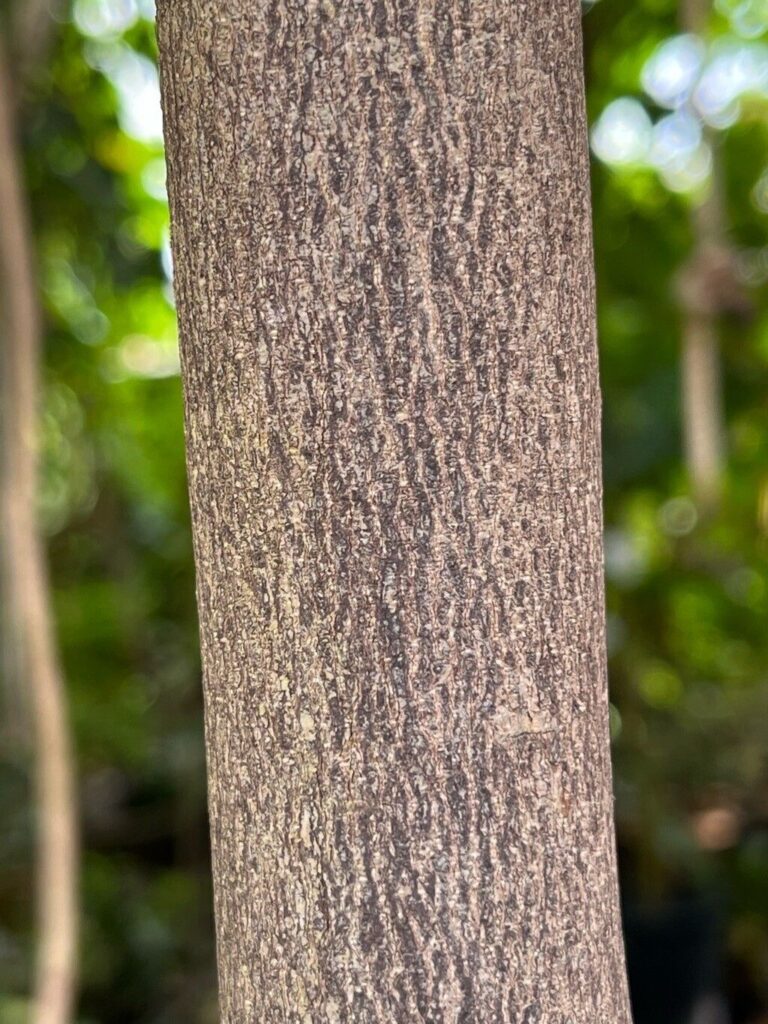
The Polyalthia suberosa, also known as the Cork Tree or the False Ashoka, is a captivating evergreen tree prized for its delicate foliage, fragrant star-shaped flowers, and unique corky bark. Native to India and Sri Lanka, this beauty is becoming increasingly popular in tropical and subtropical gardens around the world.
If you’re enchanted by the Polyalthia suberosa and want to propagate your own, you’ve come to the right place. While it requires a bit of patience and care, successfully growing this tree from seed or cuttings is a rewarding endeavor. Let’s explore the two main propagation methods:
1. Starting from Seed:
This is the most common and arguably most rewarding method. Here’s how to do it:
- Seed Collection & Preparation: Collect ripe fruits from a healthy Polyalthia suberosa tree. The fruits are small, fleshy, and turn black when mature. Extract the seeds from the fruit pulp and rinse them thoroughly to remove any remaining flesh. Soaking the seeds in water for 24 hours can aid in germination.
- Sowing: Use a well-draining seed starting mix and sow the seeds about 1 inch deep in seed trays or individual pots.
- Optimal Conditions: Place the seed trays in a warm, humid location with indirect sunlight. Consistent moisture is key to germination, so keep the soil evenly moist but not waterlogged.
- Germination Time: Be patient! Polyalthia suberosa seeds can take anywhere from 4 weeks to several months to germinate.
- Transplanting: Once the seedlings develop a few sets of true leaves, they can be transplanted into larger individual pots or directly into the ground, ensuring they are planted in a location with well-drained soil and dappled sunlight.
2. Propagation from Cuttings:
While slightly less common, you can propagate Polyalthia suberosa from cuttings:
- Choosing the Cutting: Select healthy, semi-hardwood cuttings from the current year’s growth. These cuttings should be about 4-6 inches long with several nodes.
- Preparing the Cutting: Remove the leaves from the lower half of the cutting. You can dip the cut end in rooting hormone powder to encourage root development (optional but recommended).
- Planting the Cutting: Plant the cutting in a well-draining potting mix, ensuring that at least two nodes are buried in the soil.
- Creating a Humid Environment: Cover the pot with a clear plastic bag or use a humidity dome to maintain high humidity around the cutting. Place it in a warm location with bright, indirect light.
- Rooting Time: Cuttings typically take several weeks to develop roots. Gently tug on the cutting to check for resistance, a sign of successful rooting.
- Transplanting: Once rooted, the cuttings can be transplanted into larger pots or directly into the ground.
Tips for Success:
- Well-Drained Soil: Polyalthia suberosa thrives in well-drained soil. Amend heavy clay soil with compost or sand to improve drainage.
- Sunlight Requirements: While it appreciates some shade, especially in hot climates, this tree prefers a location with at least 4-6 hours of sunlight daily.
- Watering Needs: Water regularly during the first year to establish a strong root system. Once established, it is relatively drought-tolerant.
- Fertilizer: Fertilize lightly during the growing season with a balanced fertilizer to promote healthy growth.
Propagating your own Polyalthia suberosa is a rewarding way to introduce this beautiful and unique tree into your landscape. With patience and the right techniques, you can enjoy the satisfaction of nurturing this captivating tree from seed to sprout, watching it flourish and become a treasured part of your garden for years to come.