
Tiny but Mighty: Propagating the Delicate Polycarpon Polycarpoides
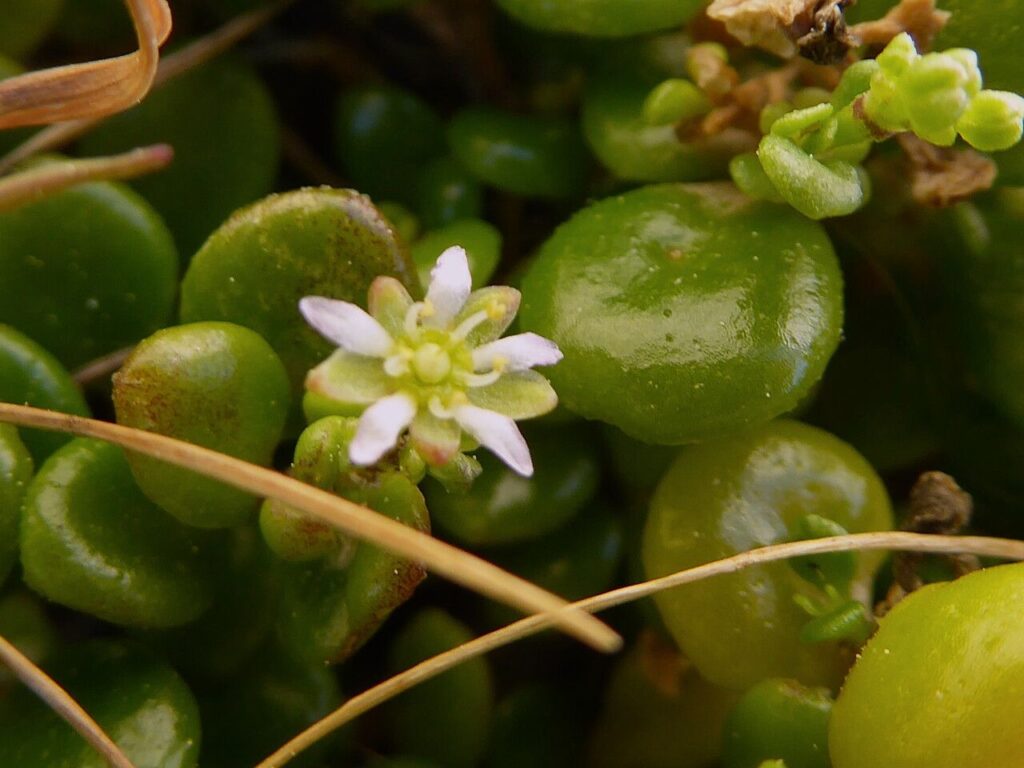
Have you ever stumbled upon a patch of tiny, white flowers carpeting a sunny spot in your garden? Chances are, you might have encountered the enchanting Polycarpon polycarpoides, commonly known as “allseed.” While this diminutive plant may go unnoticed by the casual observer, it boasts a remarkable ability to thrive and spread with ease. This blog post dives into the world of propagating Polycarpon polycarpoides, revealing the secrets behind its tenacious nature and how you can easily cultivate this charming ground cover in your own garden.
A Seedling Sensation:
Polycarpon polycarpoides is a master of seed propagation, utilizing a simple yet effective method. The tiny, star-shaped flowers produce an abundance of seeds that readily scatter, ensuring the plant’s prolific growth. To harness this natural propagation process, simply collect ripe seed pods from your existing plants. These pods will turn brown and dry, signaling their readiness.
Step-by-Step Seed Propagation:
- Seed Collection: Carefully gather the seed pods from your plants. They are typically located in small clusters at the base of the flowers.
- Seed Extraction: Gently crush the dried pods to release the minuscule seeds.
- Sowing the Seeds: Choose a shallow seed tray or pot filled with a well-draining seed-starting mix. Sprinkle the seeds evenly across the surface, ensuring they have sufficient space to germinate.
- Gentle Watering: Mist the seeds lightly, keeping the soil moist but not waterlogged.
- Sunlight Exposure: Place the tray in a warm and sunny spot, ideally with indirect sunlight.
- Germination Time: Polycarpon polycarpoides seeds typically germinate within 10-14 days.
- Thinning and Transplanting: Once the seedlings have a few true leaves, carefully thin them to allow space for healthy growth. You can then transplant them into larger containers or directly into your garden.
Cutting Propagation for Faster Growth:
For a quicker propagation method, consider using cuttings. These small stems taken from healthy parent plants will root readily.
- Cutting Selection: Choose sturdy, non-flowering stems that are at least 4 inches long.
- Preparing the Cutting: Use a sharp knife or scissors to make a clean cut just below a leaf node.
- Rooting Medium: Dip the cut end of the stem in rooting hormone (optional) and insert it into a well-draining mix, ensuring the node is submerged in the soil.
- Humidity and Light: Cover the pot with a plastic dome or bag to create a humid environment. Place the pot in a bright but not direct sunlight location.
- Rooting Time: Expect to see roots develop within 2-4 weeks.
- Transplanting: Once the cuttings have established roots, you can remove them from the rooting medium and transplant them directly into your garden.
Benefits of Propagating Polycarpon polycarpoides:
- Abundant Ground Cover: Propagated plants quickly establish themselves and create vibrant mats of greenery, effectively suppressing weeds and offering a unique aesthetic.
- Minimal Maintenance: This hardy, drought-tolerant plant thrives on neglect, requiring little watering or trimming.
- Attractive and Versatile: Its tiny white flowers and delicate foliage add a charming, old-fashioned charm to any garden bed, rock garden, or even containers.
Conclusion:
Polycarpon polycarpoides offers a rewarding experience for gardeners of all levels. Its ease of propagation makes it an ideal plant for beginners while its attractive features and adaptability make it a favorite among seasoned growers. Whether you choose to propagate it from seeds or utilize cuttings, this captivating ground cover promises a flourishing and beautiful garden, adding a touch of whimsical beauty to your outdoor space. So, why not embrace the simplicity and effectiveness of propagating Polycarpon polycarpoides today and watch as this tiny but mighty plant transforms your garden into a delightful haven?