
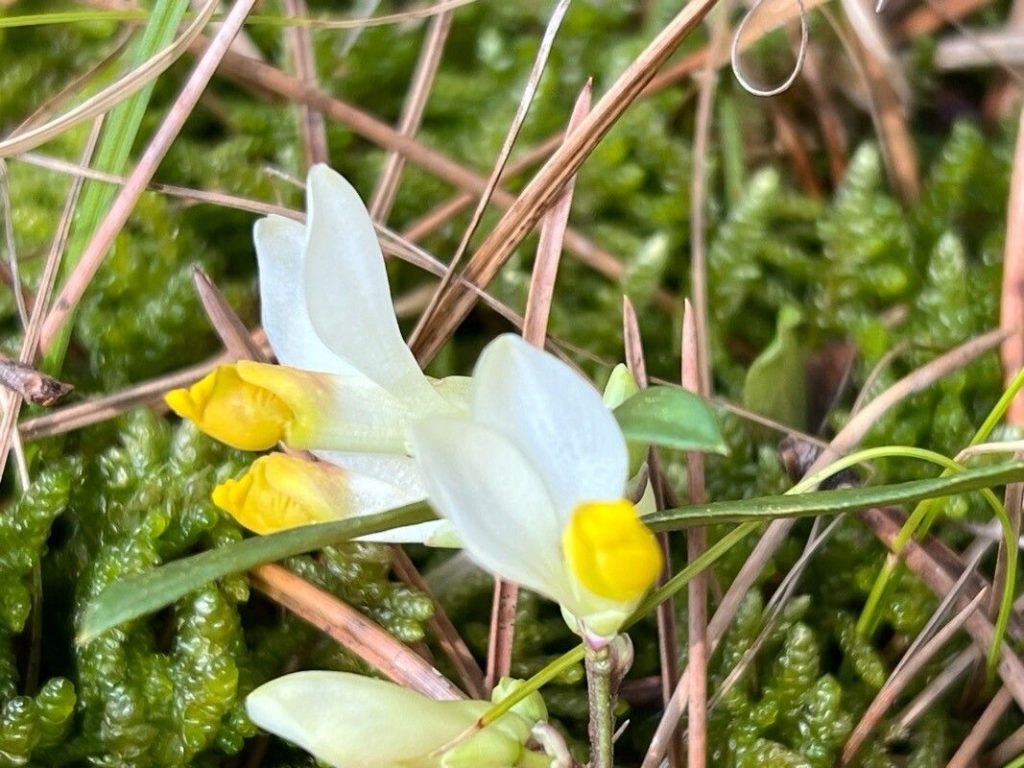
Propagating Polygaloides chamaebuxus: A Gardener’s Guide to the Boxleaf Milkwort
Introduction:
Polygaloides chamaebuxus, commonly known as boxleaf milkwort, is a low-growing, evergreen shrub prized for its attractive, dark green foliage and delicate, cup-shaped flowers that bloom in spring and sometimes again in autumn. Its compact habit and tolerance of shade make it a popular choice for rock gardens, groundcover, and edging. However, propagating this charming plant can present some unique challenges, making the successful cultivation all the more rewarding. While seed propagation is possible, other methods like cuttings are more reliable for the home gardener.
Seed Germination:
Seed germination of Polygaloides chamaebuxus is possible but notoriously difficult and unpredictable. The seeds possess a hard seed coat and often exhibit dormancy.
Challenges: Low germination rates are common, and even with optimal conditions, success isn’t guaranteed. The seeds are very small and require careful handling.
Practical Tips: Stratification (cold treatment mimicking winter conditions) is crucial for breaking dormancy. Soak seeds in warm water for 24 hours before sowing them in a well-draining seed-starting mix. Place the sown seeds in a refrigerator at 4°C (39°F) for 8-12 weeks before transferring them to a bright, cool location. Maintain consistent moisture but avoid overwatering.
Rewards: Successful seed germination offers the potential for increased genetic diversity within your collection. It is also a potentially cost-effective method for large-scale propagation if germination rates can be improved.
Cuttings:
Challenges: While easier than seed propagation, rooting cuttings of Polygaloides chamaebuxus can still be slow and require patience. Semi-hardwood cuttings are generally the most successful.
Practical Tips: Take semi-hardwood cuttings in late summer or early autumn. Use a sharp knife or shears to make clean cuts, ensuring each cutting has several nodes. Dip the cut ends in rooting hormone to promote root development. Plant the cuttings in a well-draining, moist growing medium (e.g., a mix of peat moss and perlite) keeping high humidity using a propagation dome or plastic bag. Maintain consistent moisture levels until roots form. Avoid temperatures above 24°C (75°F).
Rewards: Cuttings are generally more reliable than seed germination, providing a faster and more consistent way to obtain new plants that are genetically identical to the parent plant.
Division:
Challenges: Division is only viable for established, mature plants and may stress the plant, potentially leading to reduced vigor or even plant death if not done correctly.
Practical Tips: The best time to divide Polygaloides chamaebuxus is in early spring or autumn. Carefully dig up the entire plant and gently separate it into smaller sections, each containing several healthy roots and stems. Replant each section immediately in well-prepared soil ensuring root systems are adequately covered. Water thoroughly after planting.
Rewards: Division is quick and relatively straightforward when possible, making it a straightforward method for a relatively small number of plants.
Tissue Culture:
Currently, there are no widely available or easily accessible documented protocols for tissue culture propagation of Polygaloides chamaebuxus. Although this method offers the potential for large-scale propagation and disease-free plants, it requires specialized equipment and expertise.
Conclusion:
Propagating Polygaloides chamaebuxus can be challenging, with seed germination proving particularly difficult. Cuttings offer a more reliable alternative for home gardeners, while division is only feasible with larger, established plants. While tissue culture holds potential, it remains largely unexplored for this specific species. The satisfaction derived from successfully multiplying this lovely plant, however, is significant. The tenacity required to overcome the hurdles inherent in its propagation only serves to enhance the pride in your accomplishment. Therefore, don’t be discouraged by initial setbacks – patience and persistence are key to cultivating this charming evergreen. Experiment with different methods, observe your plants closely, and learn from each attempt; soon you’ll be enjoying the beauty of your own successfully propagated boxleaf milkwort.