
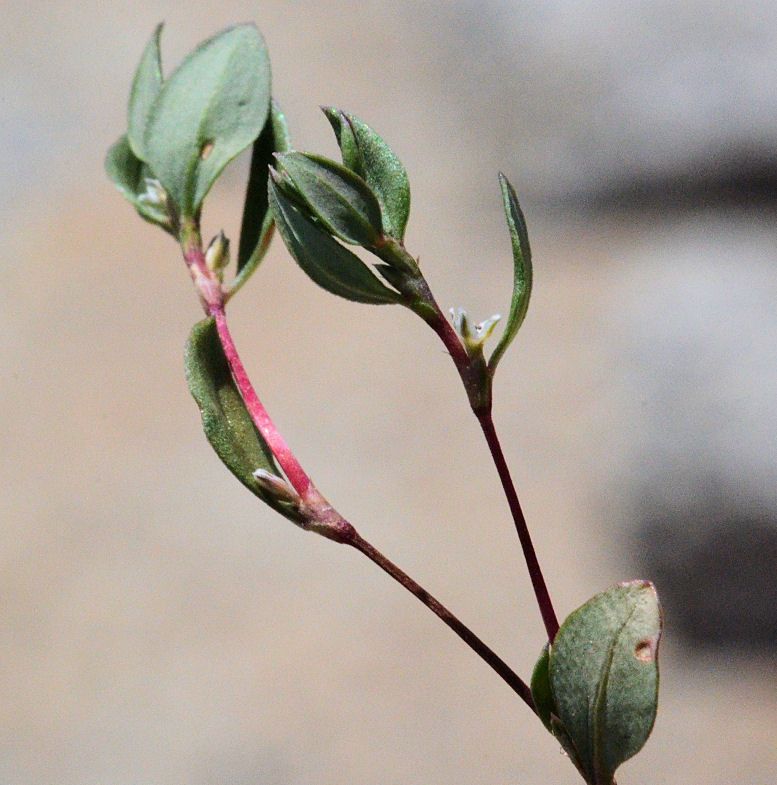
From Tiny Seed to Lush Carpet: Propagating Polygonum Minimum
Polygonum minimum, also known as the “Dwarf Knotweed,” is a charming groundcover that adds vibrant green beauty to gardens and landscapes. Its dense, low-growing habit and attractive foliage make it perfect for edging paths, filling empty spaces, and even suppressing weeds. But what if you want to expand your patch of this delightful plant? That’s where propagation comes in!
Easy Propagation Methods for Polygonum Minimum:
There are several easy ways to propagate Polygonum minimum, enabling you to create new plants for your own garden or share with fellow plant enthusiasts. Here are two of the most popular and successful methods:
1. Division:
- Timing: Spring or fall are the ideal times for division.
- Process: Carefully dig up a mature clump of Polygonum minimum. Gently separate the roots and foliage into smaller divisions, making sure each division has healthy roots and stems. Replant these divisions in a well-prepared bed with good drainage.
- Benefits: Division is a quick and reliable method, producing established plants that quickly add color and texture to your garden.
2. Seed Propagation:
- Timing: Seeds can be sown directly into the garden in the spring after the last frost or started indoors in late winter.
- Process: For direct sowing, scatter seeds thinly over the prepared bed and lightly cover them with soil. For indoor sowing, use seed trays and a seed-starting mix. Keep the soil evenly moist and provide adequate light. Once seedlings have emerged, thin them to provide space for growth.
- Benefits: Seed propagation allows for easy and economical expansion of your Polygonum minimum collection. It’s also a fun way to introduce new variations into your garden from seed sources.
Tips for Success:
- Soil and Location: Polygonum minimum thrives in well-drained soil and prefers a sunny to partially shaded location.
- Watering: Water regularly, especially during the establishment phase, and keep the soil consistently moist.
- Fertilizing: While not essential, a light application of balanced fertilizer can encourage healthy growth.
- Pruning: Lightly prune in the spring to maintain a tidy shape and encourage denser growth.
Beyond the Basics:
- Polygonum minimum’s adaptability: This versatile plant is surprisingly adaptable and can even tolerate some mild drought conditions.
- Be mindful of its growth habits: While Polygonum minimum is considered non-invasive, it does spread through underground runners. This can be beneficial for creating a dense groundcover but can also be managed by trimming its edges.
Sharing the Joy:
Propagating Polygonum minimum is an enjoyable way to create new plants for your garden and share its beauty with loved ones. Whether you choose division or seed propagation, you’ll soon be enjoying a vibrant carpet of green thanks to this remarkable groundcover. So, pick a method, gather your tools, and embark on your propagation journey!