
Unlocking the Secrets of the Woolly Polylepis: A Guide to Propagation
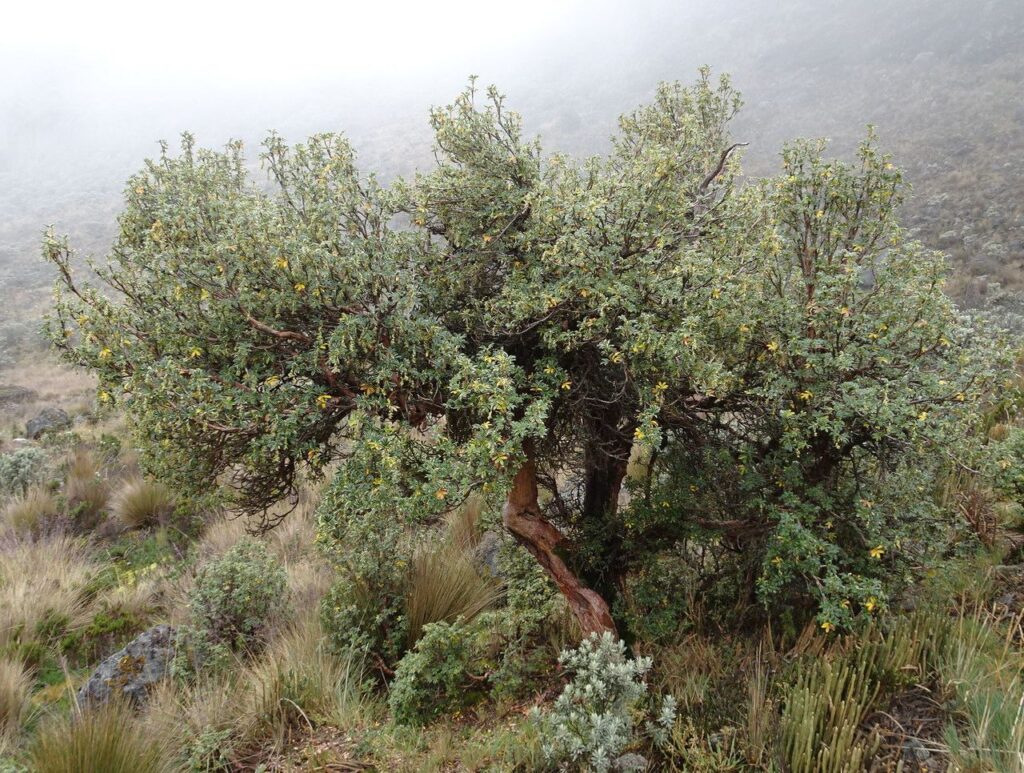
The Polylepis sericea, commonly known as the Woolly Polylepis, is a captivating tree native to the Andes mountains. Its distinctive, fuzzy bark and resilience in harsh conditions make it a fascinating subject for both botany enthusiasts and avid gardeners. But have you ever wondered how to cultivate this unique species? Let’s delve into the exciting world of Polylepis sericea propagation.
Understanding the Woolly Polylepis’s Life Cycle
Before we explore propagation techniques, it’s crucial to understand the Polylepis sericea’s life cycle. This tree thrives in high-altitude environments, known for their cold, dry winters and short, cool growing seasons. Its reproduction process is unique, relying on both wind dispersal and birds for seed distribution.
Propagation Methods for the Woolly Polylepis:
There are two primary methods for propagating the Woolly Polylepis:
- Collecting Seeds: The easiest method is to gather ripe seeds directly from the tree or from a reputable source. Look for mature, reddish-brown fruits that contain several small seeds.
- Sowing Seeds: Direct sowing is recommended, as Polylepis sericea seeds are notoriously slow to germinate. Sow them in a well-draining seed tray filled with a mix of peat moss and vermiculite. Maintain a cool, moist environment and ensure proper drainage.
- Germination: Germination can take several weeks or even months. Patience is key when dealing with these resilient seeds.
2. Cutting Propagation
- Harvesting Cuttings: Polylepis sericea can also be propagated through cuttings. Collect semi-hardwood cuttings from healthy branches in late summer or early fall.
- Preparing Cuttings: Trim each cutting to about 6-8 inches and remove any leaves from the bottom inch or two. Dip the base in rooting hormone to encourage root formation.
- Planting Cuttings: Plant the cuttings in a moist, well-draining potting mix. Cover the pot with a clear plastic bag or dome to maintain humidity.
- Rooting Time: Cuttings can take several weeks to root, so be patient and maintain a consistent moisture level.
Essential Tips for Successful Propagation:
- Simulate Natural Conditions: Mimicking the Polylepis sericea’s natural habitat is key to success. Provide a cool, well-drained environment with ample sunlight.
- Patience is Paramount: Both seed and cutting propagation methods require time and patience. Don’t be discouraged if it takes longer than expected.
- Protection from Pests: Keep a watchful eye for pests and diseases that can affect young seedlings.
- Replicating the Woolly Polylepis’s Environment: Once your seedlings or cuttings have established themselves, consider transplanting them into a well-draining, rocky soil mixture.
Beyond Propagation: Conservation and Appreciation
Polylepis sericea is an essential part of the Andean ecosystem. By learning how to propagate this unique tree, you contribute to its preservation and the biodiversity of its natural habitat.
Let’s spread the love for the Woolly Polylepis and ensure its continued existence for future generations to admire. With a little effort and a lot of patience, you can bring a bit of the Andes into your garden and experience the wonder of this remarkable species firsthand!