
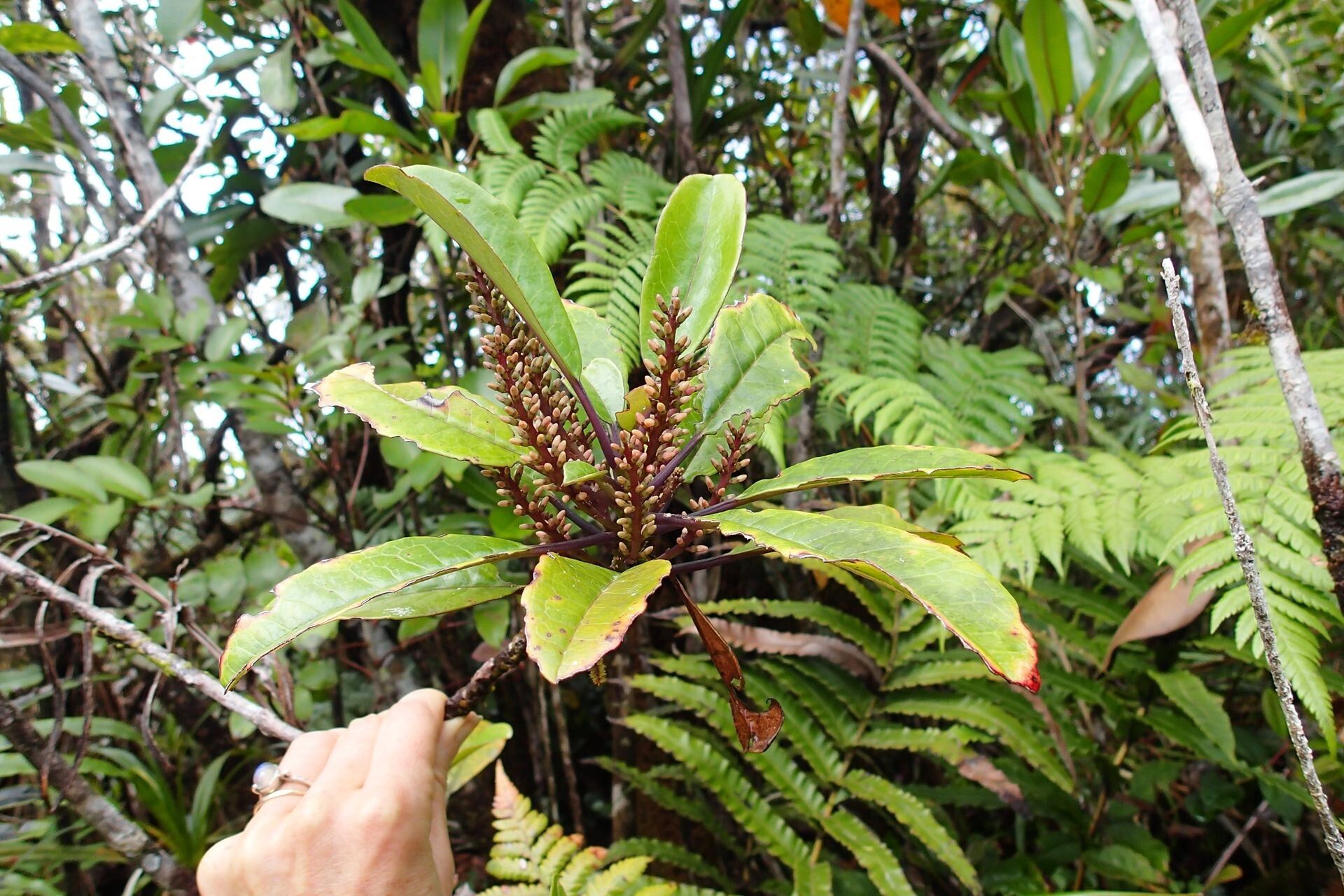
Unlocking the Secrets of Polyosma Discolor Propagation: A Guide to Success
The Polyosma discolor, with its glossy leaves and captivatingly fragrant flowers, is a prized addition to any garden. But propagating this beautiful species can seem like a daunting task for even seasoned gardeners. Fear not! This guide will demystify the process and equip you with the knowledge to successfully grow your own Polyosma discolor.
Two Paths to Propagation:
While Polyosma discolor isn’t the easiest plant to propagate, it’s not impossible! There are two primary methods:
1. Seed Propagation: A Test of Patience
Propagating Polyosma discolor from seed is entirely possible, but requires a healthy dose of patience. Here’s how:
- Seed Collection: Collect ripe berries from an established plant. Look for plump, dark berries, signifying seed maturity.
- Seed Extraction: Gently crush the berries to extract the seeds. Cleanse them thoroughly to remove any remaining pulp.
- Sowing: Sow the seeds in a well-draining seed-raising mix, lightly covering them with a thin layer of the mix.
- Environment: Provide a warm, humid environment with indirect sunlight. A propagator or covered tray can help maintain ideal conditions.
- Germination: This is where patience comes in! Seed germination can be slow and sporadic, ranging from a few months to a year.
2. Cutting Propagation: A More Reliable Approach
Taking cuttings from a healthy Polyosma discolor offers a quicker and more predictable propagation method:
- Timing is Key: The ideal time for taking cuttings is during the plant’s active growing season, typically spring or early summer.
- Selecting Cuttings: Look for semi-hardwood cuttings – shoots that are firm but not entirely woody, around 4-6 inches long.
- Preparing the Cutting: Remove the lower leaves from the cutting, leaving 2-3 pairs at the top. Make a clean cut just below a leaf node.
- Promoting Root Development: Dip the cut end in rooting hormone powder to stimulate root growth.
- Planting: Plant the cutting in a pot filled with a well-draining potting mix, ensuring the leaf nodes are below the soil surface.
- Creating a Humid Environment: Cover the pot with a plastic bag or place it in a propagator to maintain humidity and warmth.
- Rooting: With proper care, cuttings should develop roots within 6-8 weeks. You can gently tug on the cutting – resistance indicates root development.
Essential Care Tips for Success:
Regardless of the chosen propagation method, these tips are crucial for success:
- Well-Draining Soil: Polyosma discolor dislikes waterlogged conditions, so ensure good drainage throughout the propagation process.
- Consistent Moisture: Keep the soil consistently moist but never soggy.
- Indirect Sunlight: Provide bright, indirect light. Direct sunlight, especially during the early stages, can scorch the vulnerable plants.
Patience is a Virtue:
Propagating Polyosma discolor requires patience, dedication, and a touch of green thumb magic. Remember that setbacks can occur, but don’t be discouraged! With persistence and proper care, you can enjoy the rewards of nurturing this stunning plant from its earliest stages, adding a touch of exotic elegance to your leafy haven.