
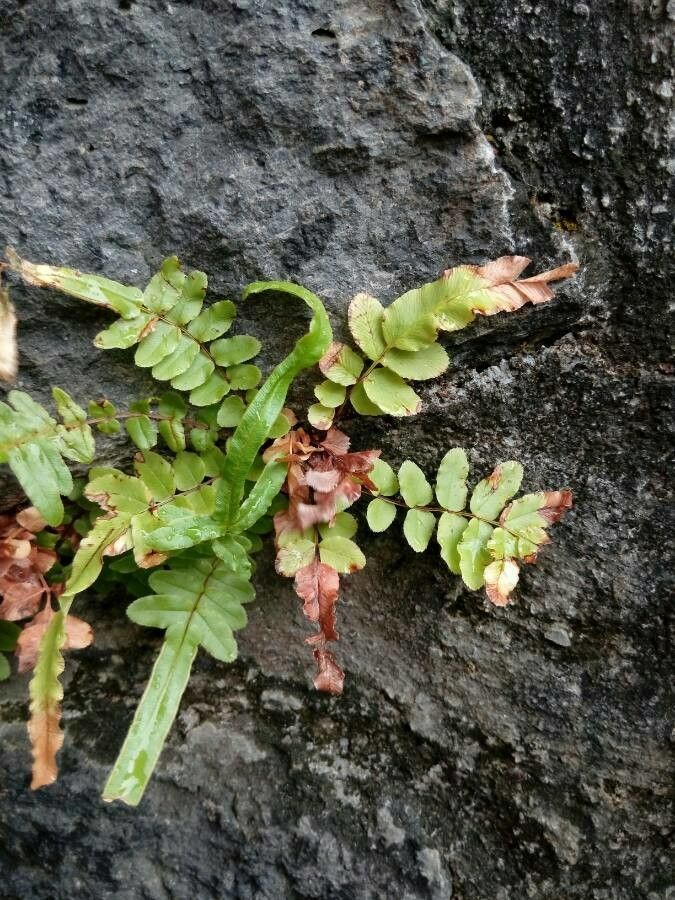
Unlocking the Secrets to Multiplying Your Polypodium Amorphum: A Propagation Guide
The Polypodium amorphum, with its uniquely textured fronds and air of prehistoric charm, is a captivating addition to any plant lover’s collection. But did you know that multiplying this fascinating fern is easier than you might think? This guide dives into the intriguing world of Polypodium amorphum propagation, empowering you to expand your fern family with just a little patience and care.
Understanding the Basics
Before we delve into the techniques, let’s familiarize ourselves with the plant’s natural growth habits. Polypodium amorphum, like many ferns, doesn’t produce seeds. Instead, it reproduces through spores, tiny dust-like particles found on the undersides of its fronds, and through rhizome division.
Method 1: Spore Propagation – A Journey of Patience
While slightly more challenging than division, propagating your fern through spores offers a rewarding experience for the patient gardener. Here’s what you’ll need:
- Mature Spores: Identify mature spores on the undersides of the fronds. They appear as brown, slightly raised clusters called sori.
- Sterile Medium: Opt for a peat-based seed starting mix or a blend specifically designed for ferns.
- Humidity is Key: A clear plastic bag or a propagator will create the humid environment crucial for germination.
Steps:
- Gently scrape the mature spores from the fronds onto a clean sheet of paper.
- Fill a shallow tray with your chosen sterile medium and mist thoroughly.
- Sprinkle the spores evenly across the surface, avoiding burying them.
- Enclose the tray in a plastic bag or propagator to maintain high humidity.
- Place the setup in a warm, indirectly lit location, and keep the medium consistently moist.
- Germination can take several weeks, even months. Once small fernlets appear, you can gradually acclimate them to lower humidity levels.
Method 2: Rhizome Division – Faster and More Reliable
For those seeking quicker results, rhizome division offers a straightforward and effective method. Here’s how to go about it:
- Timing is Important: Choose a healthy, well-established Polypodium amorphum during its active growing season (spring or early summer).
- Divide with Care: Gently remove the fern from its pot and carefully tease apart the rhizome, ensuring each section has a good amount of roots and fronds.
- Repotting Success: Plant the divided sections in individual pots using well-draining soil. Water thoroughly and place them in indirect light.
Caring for Your New Fern Progeny
Whether you chose spores or division, caring for your newly propagated Polypodium amorphum remains the same:
- Indirect light: Mimic their natural forest floor habitat by providing dappled or indirect sunlight.
- Consistent Moisture: Maintain consistently moist soil, but avoid waterlogging, which can lead to root rot.
- Humidity Boost: Elevate humidity levels around your ferns by misting regularly or placing the pots on a tray filled with water and pebbles.
Embrace the Joy of Propagation
Propagating your Polypodium amorphum isn’t just about multiplying your plant collection; it’s about connecting with the fascinating life cycle of ferns. So, roll up your sleeves, choose your preferred method, and embark on this rewarding journey of nurturing new life from spores or rhizomes. The satisfaction of witnessing new growth is a joy every plant enthusiast should experience.