
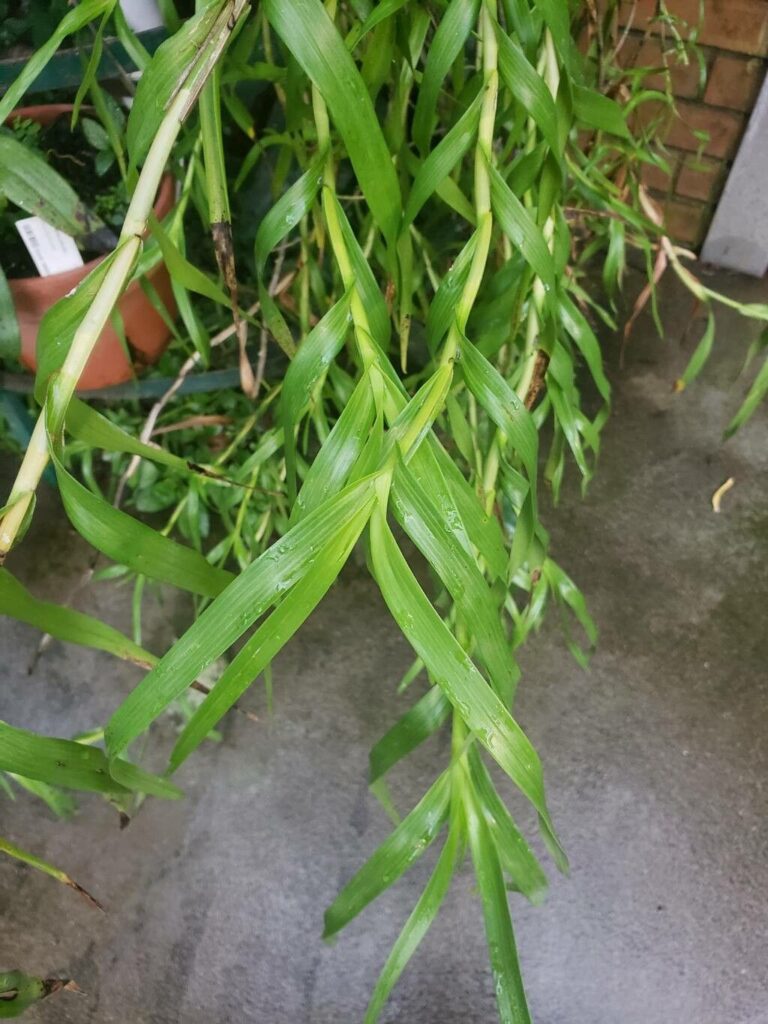
Unlocking the Secrets of Polystachya Neobenthamia Propagation: A Guide for Stunning Orchids
Polystachya neobenthamia, often simply called Neobenthamia gracilis, is a captivating orchid known for its graceful, arching sprays of pristine white flowers. Native to the cool, high-altitude forests of East Africa, this orchid presents a unique and rewarding challenge for enthusiasts looking to expand their collection. While it requires a bit more finesse than some of its counterparts, propagating this stunning orchid is an achievable feat with the right knowledge and approach.
Understanding the Plant and Its Lifecycle
Before diving into propagation methods, it’s essential to understand how Neobenthamia gracilis grows. This epiphytic orchid prefers a humid environment with good air circulation, mimicking its natural habitat in mossy tree branches. It produces new growth from pseudobulbs, which store water and nutrients. Understanding this lifecycle is key to choosing the right propagation method.
Propagation Methods for Neobenthamia gracilis
1. Division:
Division is the most common and generally successful method for propagating Neobenthamia gracilis. Here’s how:
- Timing is key: Divide mature plants with multiple healthy pseudobulbs preferably in spring, just as new growth begins.
- Carefully remove the plant: Gently remove the orchid from its pot and inspect the root system.
- Identify division points: Look for natural breaks in the rhizome, the horizontal stem connecting the pseudobulbs. Each division should have at least 3-4 healthy pseudobulbs for the best chance of success.
- Make the cut: Using a sterilized sharp knife or shears, carefully cut through the rhizome at the chosen division point.
- Potting the divisions: Plant each division in a well-draining orchid mix, ensuring the base of the pseudobulbs sits slightly above the potting medium. Water sparingly until new growth emerges.
2. Backbulbs:
Backbulbs are older, leafless pseudobulbs that can be stimulated to produce new growths. Here’s how:
- Select healthy backbulbs: Choose plump, firm backbulbs with no signs of disease.
- Provide the right environment: Place the backbulbs in a shallow tray on top of moist sphagnum moss. Cover the tray with clear plastic wrap to create a humid environment.
- Be patient: It can take several weeks or even months for new growth to emerge from the base of the backbulbs. Once new roots and leaves appear, you can carefully pot them up.
Essential Care for Newly Propagated Plants
- Light: Provide bright, indirect light. Avoid direct sunlight, which can scorch the leaves.
- Water: Water thoroughly when the potting mix approaches dryness. Good drainage is crucial to prevent root rot.
- Humidity: Maintain humidity levels around 50-70% by misting regularly or using a humidifier.
- Fertilizer: Use a balanced, diluted orchid fertilizer every 2-3 weeks during the growing season.
Propagation might seem daunting, but with patience and careful attention to detail, you can successfully propagate your Neobenthamia gracilis and enjoy these exquisite orchids for years to come!