
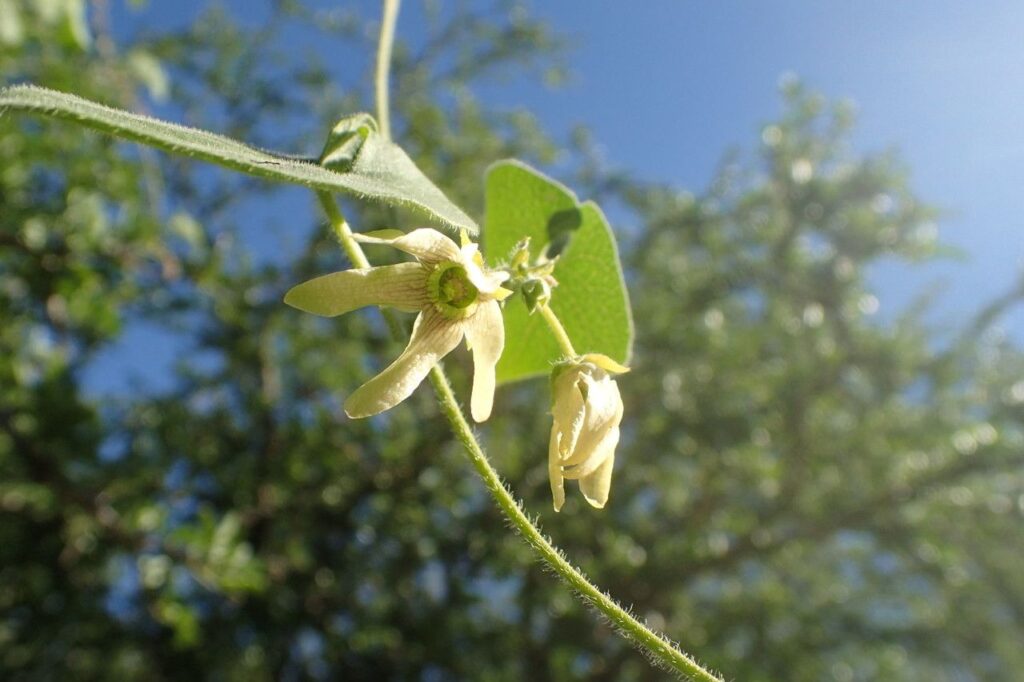
Unveiling the Secrets of Polyscias Propagation: Multiply Your Heartleaf Aralia
Known for its lush foliage and air-purifying qualities, the Polyscias scutellaria, often called the Heartleaf Aralia or Dinner Plate Aralia due to its distinctive leaves, makes a captivating addition to any indoor plant collection. If you’re looking to expand this verdant beauty’s presence in your home, propagation offers a rewarding and budget-friendly solution. But fear not, even if you’re a novice plant parent, this guide will demystify the process and equip you with the know-how to propagate your very own Polyscias army.
Propagation Methods: Stem Cuttings Reign Supreme
While there might be a few ways to propagate Polyscias, stem cuttings prove to be the most effective and popular method. Here’s a step-by-step breakdown:
- Timing is Everything: Spring and early summer are prime time for propagation, as the plant experiences vigorous growth during this period.
- Choosing the Right Cuttings: Look for healthy stems with at least two or three nodes (the bumps where leaves emerge). Ideally, select stems that are not flowering.
- Making the Cut: Using clean, sharp shears, cut a 4-6 inch section of the stem just below a node. Removing leaves from the lower third of the cutting helps to prevent rotting and encourages root development.
- Hormonal Boost (Optional): While not mandatory, dipping the cut end in rooting hormone powder can significantly improve your success rate, encouraging faster and healthier root development.
- The Rooting Medium: Polyscias enjoys a well-draining, slightly acidic environment. A mix of peat moss and perlite works well. Alternatively, seed starting mix provides a suitable environment for the cuttings.
- Planting Your Cuttings: Make a small hole in the prepared medium and gently insert the cutting, ensuring at least one node is buried. Firm the medium around the cutting to provide support.
- Creating a Humid Oasis: Moisture is key for successful rooting. Cover the pot with a clear plastic bag or use a propagation dome to create a warm, humid environment.
- Bright, Indirect Light: Place your cuttings in a location with plenty of indirect sunlight. Avoid direct sunlight, which can scorch the delicate leaves.
- Patience is a Virtue: Rooting can take anywhere from 4-8 weeks, depending on the conditions and the individual cutting. You’ll know roots have developed when you see new growth on the cutting.
- Transplanting the Rooted Cuttings: Once a healthy root system develops, carefully transplant your new Polyscias into individual pots filled with well-draining potting mix.
Caring for Your New Propagations
Treat your newly potted Polyscias just like mature plants. Provide them with bright, indirect light, consistently moist soil (but not soggy!), and moderate humidity.
Troubleshooting Tips:
- Yellowing or wilting leaves: May indicate overwatering, underwatering, or insufficient light. Check the moisture level of the soil and adjust watering accordingly.
- Cuttings not rooting: Ensure you are providing adequate humidity and warmth. Consider using rooting hormone to stimulate root development.
With a little patience and these expert tips, you’ll be well on your way to multiplying your Polyscias collection and enjoying their lush foliage throughout your home. And remember, each successful propagation is a rewarding testament to your growing plant parenthood!