
Unlocking the Secrets of the Northern Holly Fern: A Guide to Propagating Polystichum lonchitis
The Polystichum lonchitis, more commonly known as the Northern Holly Fern, is a captivating evergreen fern renowned for its lustrous, dark green fronds that resemble miniature holly leaves. This hardiness and unique beauty make it a sought-after addition to shady gardens and naturalized landscapes.
While acquiring established plants is an option, propagating your own Northern Holly Fern offers a rewarding challenge and a chance to multiply your collection. This guide will delve into the two primary methods for propagating this resilient fern:
1. Spore Propagation: A Journey of Patience and Wonder
In their natural habitat, Northern Holly Ferns reproduce through spores, tiny dust-like particles found on the underside of mature fronds. While this method requires more patience than division, it offers a fascinating glimpse into the fern’s life cycle.
Here’s how to propagate Polystichum lonchitis from spores:
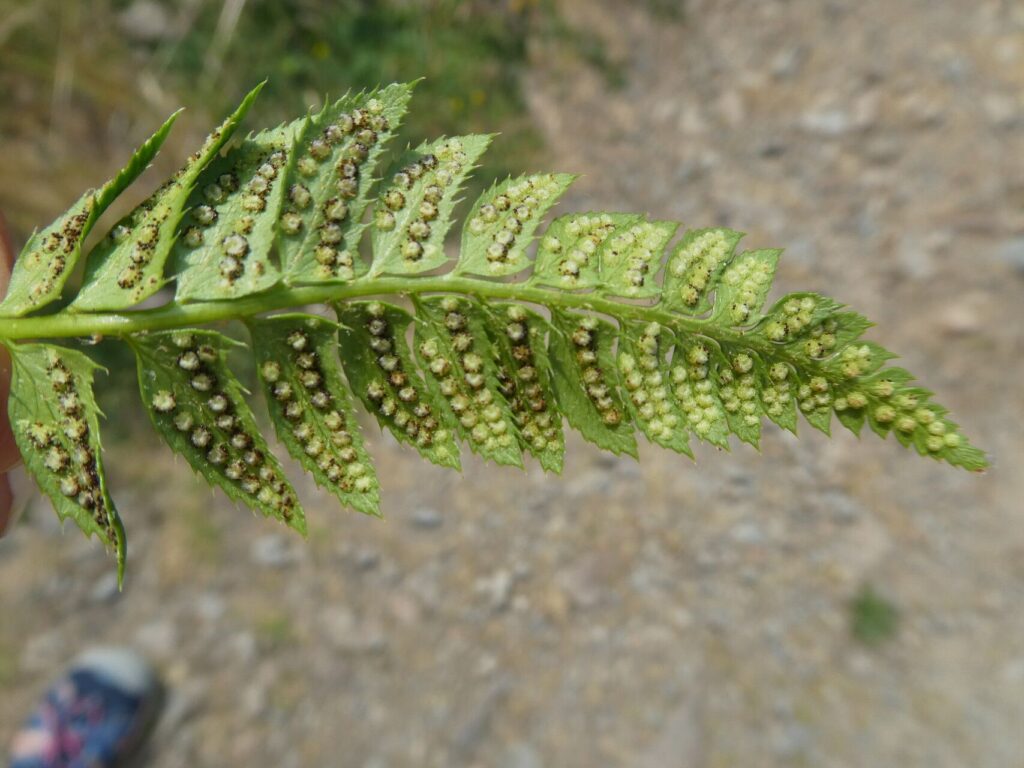
- Spore Collection: In late summer or early fall, look for mature fronds with dark, swollen structures called sori on the underside. Carefully snip off a frond and place it in a paper bag to dry.
- Spore Sowing: Once dry, the sori will release the spores within the bag. Sprinkle them over a moistened, sterile seed starting mix in a shallow tray. Don’t bury the spores; light aids in germination.
- Creating the Ideal Environment: Cover the tray with a clear lid or plastic wrap to maintain humidity and place it in a warm, shaded location. Consistent moisture and temperatures around 65-75°F are crucial.
- Germination and Growth: Germination can take anywhere from a few weeks to several months. Tiny, heart-shaped structures called prothalli will emerge first, followed by the development of true fern fronds.
- Transplanting: Once the ferns have developed a strong root system and several fronds, carefully transplant them into individual pots filled with a well-draining potting mix.
2. Division: The Faster Route to New Ferns
Division is a quicker and generally easier method of propagation for established Polystichum lonchitis ferns. It involves separating the plant into multiple sections, each with its own root system.
Here’s what you need to know about division:
- Timing is Key: The optimal time to divide Northern Holly Fern is in early spring, just before new growth emerges.
- Dividing the Plant: Carefully dig up the fern and gently shake off excess soil. Using a sharp, clean knife or garden shears, divide the rhizome (the underground stem) into sections, ensuring each section has at least one healthy frond and a good amount of roots.
- Replanting: Plant the divided sections in well-draining soil at the same depth they were originally growing. Water thoroughly.
Caring for Your Propagated Ferns:
Regardless of the propagation method, young Polystichum lonchitis ferns thrive in moist, well-drained soil and dappled shade. Protect them from harsh sunlight and drying winds. With proper care and attention, your propagated ferns will gracefully unfurl their fronds, adding a touch of prehistoric charm to your garden for years to come.