
Unlocking the Secrets of Propagating the Crested Shield Fern (Polystichum longifrons)
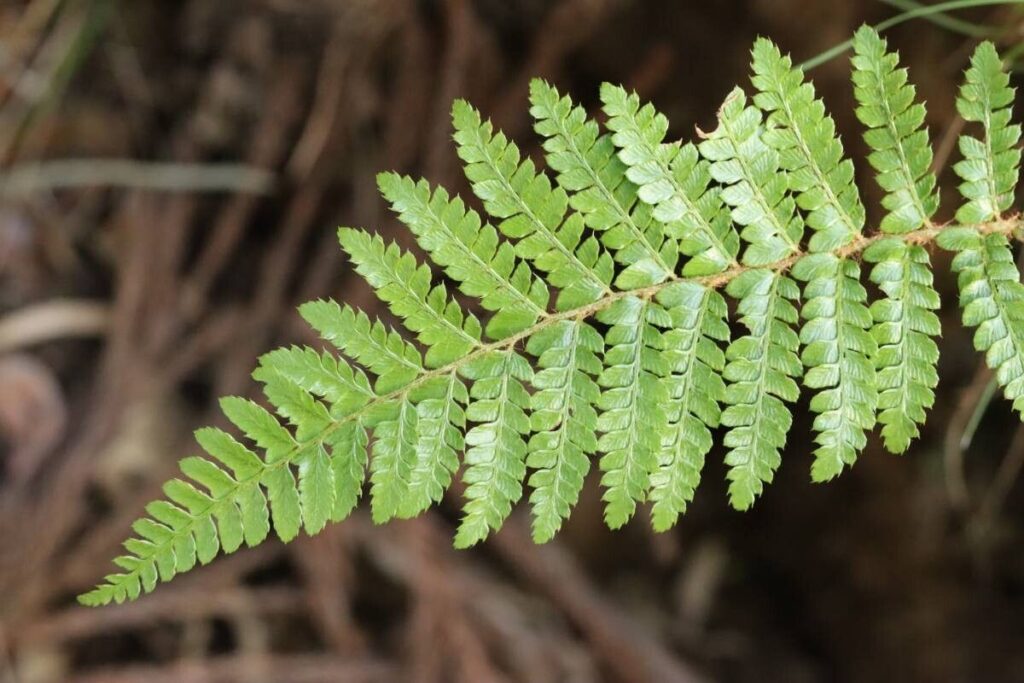
The Crested Shield Fern, scientifically known as Polystichum longifrons, is a visual delight. Native to Southeast Asia, this fern species captivates with its glossy, vibrant green fronds and their unique “crested” appearance. While readily available for purchase, wouldn’t it be incredibly satisfying to propagate your own Crested Shield Fern and witness its lifecycle firsthand?
This guide will unlock the secrets of propagating Polystichum longifrons and equip you with the knowledge to successfully multiply your fern collection.
Understanding the Basics
Unlike many plant species that readily propagate through stem cuttings or seeds, ferns like Polystichum longifrons reproduce through spores. These tiny, dust-like structures are found on the underside of fertile fronds and carry the genetic blueprint for new ferns.
Step-by-Step Guide to Propagation
-
Spore Collection: Look for mature fronds on your Crested Shield Fern. Mature fronds will have small, brown, clustered structures called sori on their undersides. These sori house the spores. Carefully snip off a frond with mature sori.
-
Spore Release: Place the frond inside a paper bag or between two sheets of paper and store it in a warm, dry place for a few days. This encourages the sori to dry and release the spores. Once dry, gently tap the frond over the paper to dislodge the remaining spores.
-
Spore Sowing: Prepare a seed-starting tray or small pots filled with a sterile seed-starting mix or a peat-based potting mix. Moisten the medium evenly and sprinkle the collected spores thinly over the surface. Avoid burying the spores as they require light for germination.
-
Creating the Ideal Environment: Cover the tray with a clear plastic lid or wrap to retain moisture and create a humid microclimate. Place the tray in a warm, indirectly lit location, ideally with temperatures consistently around 70-75°F (21-24°C).
-
Patience is Key: Spore germination can take anywhere from a few weeks to a few months. Ensure the soil remains consistently moist by misting regularly with a spray bottle. Avoid overwatering, which can lead to fungal growth.
- Transplanting Success: Once the tiny fern gametophytes emerge and develop small ferns (sporophytes), they are ready for transplanting. Carefully separate the individual ferns and plant them into individual pots filled with a well-draining potting mix.
Caring for Your New Ferns:
- Light: Place your young Crested Shield Ferns in a location with bright, indirect light, similar to their parent plant.
- Watering: Maintain consistently moist soil but avoid overwatering. Water when the top inch of soil feels dry to the touch.
- Humidity: Polystichum longifrons thrives in humid environments. Consider placing a humidity tray near your ferns or mist them regularly to increase humidity levels.
Final Thoughts
Propagating Polystichum longifrons from spores might seem daunting at first, but with patience and the right approach, it is an incredibly rewarding experience. Watching these ancient plants develop from tiny spores into lush, vibrant ferns is a testament to the magic of nature and will undoubtedly add a touch of accomplishment to your plant parenting journey.