
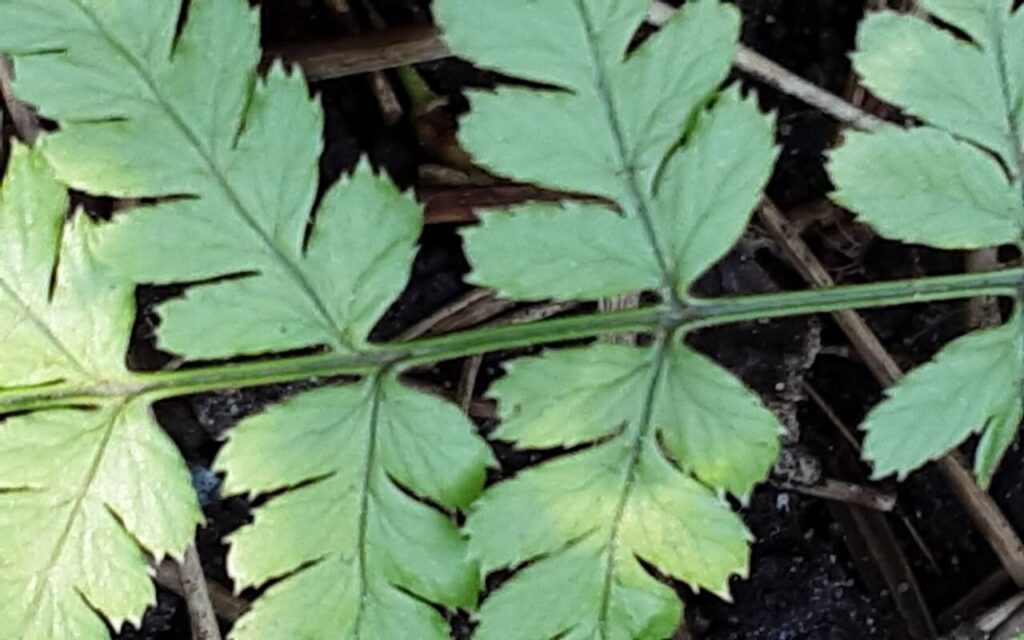
Unlocking the Secrets of Polystichum neolobatum Propagation: A Fern Enthusiast’s Guide
The lush, vibrant fronds of ferns have captivated plant lovers for centuries. Among them, the Polystichum neolobatum, also known as the Soft Shield Fern, stands out with its elegantly arching fronds and air of delicate complexity. If you’re looking to expand your fern family or simply multiply the beauty of your Soft Shield Fern, propagation is a rewarding endeavor. Let’s delve into the methods that will help you cultivate this captivating fern with success.
Understanding the Basics
Before we dive into the how-to, let’s clarify some fern fundamentals. Unlike many plants that readily produce seeds, ferns reproduce through spores – tiny, dust-like particles found on the underside of fertile fronds. While propagating ferns from spores is possible, it requires patience and a delicate touch. For Polystichum neolobatum, division is a more accessible and generally successful method.
The Art of Division: Step-by-Step Guide
Division essentially mimics the natural process of rhizome growth, where the plant expands and forms new crowns. Here’s a breakdown of the process:
1. Timing is Key: The ideal time for dividing Polystichum neolobatum is during the early spring, just as new growth emerges. This gives the divisions ample time to establish themselves before winter.
2. Preparation: Gather your tools: a sharp, clean knife or pruning shears, a pot slightly larger than the division, and well-draining potting mix.
3. Carefully Remove the Fern: Gently lift the fern from its pot, carefully loosening the root ball if needed.
4. Identifying Division Points: Examine the base of the plant for natural divisions marked by separate crowns with their own set of fronds.
5. Making the Cut: Using your sharp knife or shears, carefully separate the chosen divisions, ensuring each has a healthy root system attached.
6. Potting the Divisions: Plant each division into its own pot, using a well-draining potting mix. Ensure the crown sits slightly above the soil line.
7. Post-Division Care: Water thoroughly after planting and place the divisions in a location with bright, indirect light. Maintain consistent moisture, avoiding overwatering which can lead to root rot.
Nurturing Your New Ferns
Patience is a virtue when it comes to fern propagation. While Polystichum neolobatum is relatively fast-growing, it may take several weeks for the divisions to show signs of new growth.
Here are some tips to support their development:
- Humidity Boost: Ferns thrive in humid environments. Mist the fronds regularly or place the pots on a tray filled with pebbles and water to increase humidity.
- Indirect Light: Avoid exposing the newly divided ferns to direct sunlight, which can scorch their delicate fronds.
- Fertilize Sparingly: Once new growth appears, feed your ferns with a diluted, balanced fertilizer every few weeks during the growing season.
With careful attention and a gentle touch, you can successfully propagate your Polystichum neolobatum and watch with pride as your vibrant fern family expands, bringing a touch of prehistoric elegance to your indoor or outdoor space.