
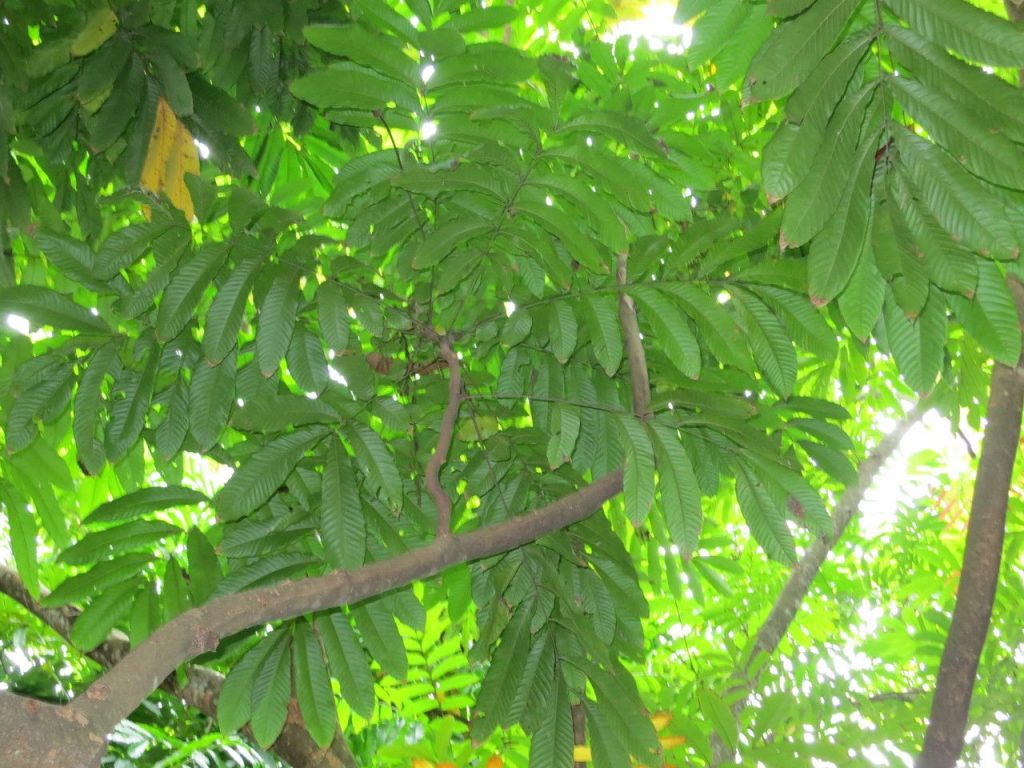
Propagating Pometia pinnata: Tapping into the Potential of the Island Lychee
Pometia pinnata, commonly known as the Island Lychee or Tahitian Apple, is a captivating tropical tree prized for its edible fruits and attractive foliage. Its popularity among home gardeners stems from its unique fruit, which offers a distinctive flavour profile, differing from the common lychee, and its visually appealing form. However, propagating this species presents unique challenges due to its relatively recalcitrant nature regarding seed propagation and the less common success with certain vegetative methods. This article explores various propagation techniques, highlighting their successes and failures.
Seed Germination:
Currently, there are no known reliable methods for seed germination propagation of Pometia pinnata. While seeds are produced, their germination rate is notoriously low, and even when germination occurs, seedling survival rates are poor. The seeds are recalcitrant, meaning they lack the ability to withstand drying and extended storage, significantly impacting their viability. Further research is needed to understand and overcome the physiological barriers to successful germination.
Cuttings:
Propagating Pometia pinnata from cuttings presents a more promising, albeit challenging, avenue. Success depends heavily on the selection of appropriate cutting material (semi-hardwood cuttings are typically recommended), the use of rooting hormones (such as IBA), and maintaining high humidity and temperature within a propagation chamber. Challenges include a relatively low rooting percentage and susceptibility to fungal diseases.
- Challenges: Low rooting success rate, fungal infections, requirement for specialized equipment (propagation chamber, misting system).
- Practical Tips: Collect cuttings from healthy, actively growing shoots. Use a sharp, clean blade to minimize tissue damage. Treat cuttings with a rooting hormone solution before planting in a suitable propagating medium (e.g., perlite and peat moss mix). Maintain consistently high humidity (80-90%) and temperature (25-28°C). Ensure adequate ventilation to prevent fungal growth.
- Rewards: Faster establishment compared to seedlings (if successful), maintaining desirable traits from the parent plant through clonal propagation.
Division:
Division is generally not a viable method for propagating Pometia pinnata. This tree develops a strong taproot system, making the division of established plants impractical and highly likely to result in mortality.
Tissue Culture:
Tissue culture offers the most promising technique for large-scale propagation and conservation of superior Pometia pinnata cultivars. This method allows for the production of numerous genetically identical plants from a small tissue sample. However, it requires specialized equipment, aseptic techniques, and expertise in plant tissue culture methodologies.
- Challenges: High initial investment in equipment and expertise, the requirement for a sterile environment, potential for contamination and genetic instability.
- Practical Tips: Employ sterile techniques throughout the process (using a laminar flow hood), utilize appropriate nutrient media, and select healthy, actively growing tissue for initiating cultures.
- Rewards: Large-scale clonal propagation, disease-free plantlets, potential for genetic improvement and conservation efforts.
Conclusion:
Propagating Pometia pinnata presents significant horticultural challenges, particularly when relying on seed germination. Cuttings offer a potentially viable, albeit labour-intensive, method with a low success rate requiring significant care and attention. Tissue culture emerges as the most effective method for mass production and conservation but demands specialized knowledge and resources. The rewards, however, are worth the effort. Successfully cultivating this unique tree brings immense satisfaction, particularly considering the obstacles overcome. For aspiring propagators, patience, perseverance, and a focus on meticulous techniques are crucial. Experimentation and learning from both successes and failures will pave the way towards mastering the art of propagating this fascinating tropical fruit tree.