
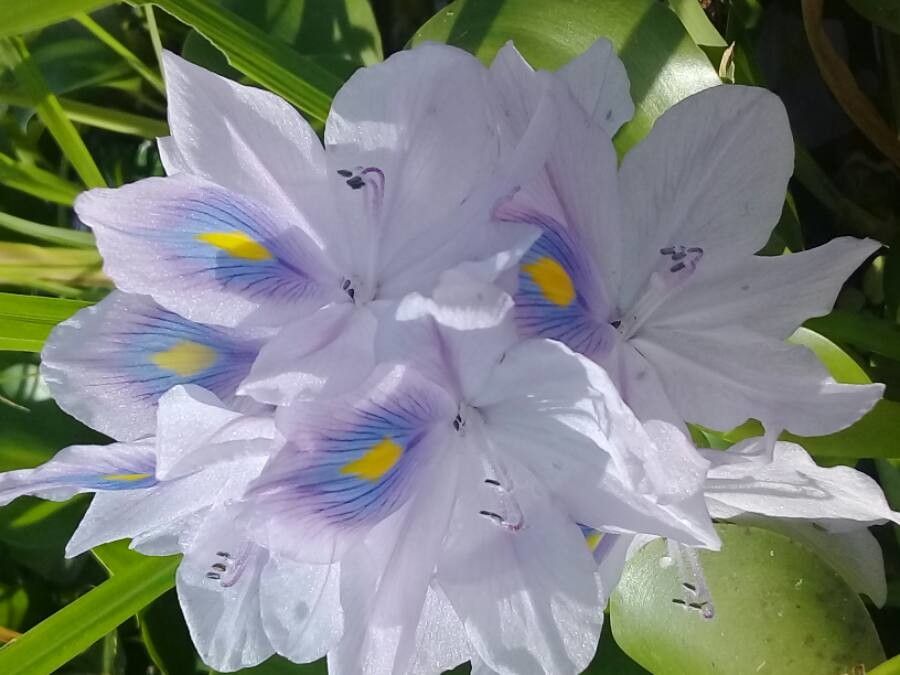
From One to Many: Propagating the Invasive Beauty of Water Hyacinth
The water hyacinth (Pontederia crassipes) is a captivating plant with vibrant purple flowers and lush, rounded leaves. It’s a popular choice for water gardens, adding a touch of tropical charm to ponds and aquariums. But behind its beauty lies a darker side – water hyacinths are incredibly fast-growing and invasive.
While their growth habit might seem like a nightmare for a water garden owner, it actually presents an opportunity for propagation. Yes, you can easily create more of these captivating plants using a few simple methods.
The Power of Propagation
Before we dive into the how-to’s, let’s understand why propagation is important. Water hyacinths are notorious for spreading quickly, but they can be difficult to maintain in the long term. By understanding how to propagate them, you can control their growth, share them with others, or even start a small-scale propagation business.
Methods of Propagation
Here are the most common methods for propagating water hyacinths:
1. Division:
This is the easiest and most effective way to propagate water hyacinths.
- Step 1: Simply select a healthy plant with multiple offshoots.
- Step 2: Gently pull or cut the offshoots from the main plant, ensuring they have roots connected.
- Step 3: Plant the new offshoots in a container or pond, making sure they are submerged just below the water surface.
-
Step 4: Provide adequate sunlight and nutrients for the offshoots to establish themselves.
2. Runners:
Water hyacinths produce runners that grow long, delicate stems with new plantlets at the end.
- Step 1: Locate a runner with a healthy plantlet.
- Step 2: Gently separate the plantlet from the runner, making sure it has its own root system.
- Step 3: Plant the new plantlet in a separate container or directly in the pond.
3. Seed Propagation (Less Common):
While less common, water hyacinths can also be propagated from seeds.
- Step 1: Collect mature seeds from the seed pods of the parent plant.
- Step 2: Sow the seeds in a seed tray filled with water.
- Step 3: Maintain warm water temperatures and provide ample sunlight for germination.
Important Notes for Successful Propagation
- Water Quality: Water hyacinths thrive in warm, nutrient-rich water with a pH range of 6.0 to 8.0.
- Sunlight: These plants need at least 6 hours of direct sunlight per day.
- Container Size: When growing water hyacinths in containers, choose a size that is appropriate for the size of the plant.
- Control: Remember that the invasive nature of water hyacinths can quickly turn into an uncontrollable problem. If you’re propagating them, be sure to monitor their growth and take steps to prevent them from overtaking your pond or water garden.
A Word of Caution:
Water hyacinths are an invasive species in many parts of the world. It’s crucial to always be aware of the potential environmental consequences of introducing this plant to new areas. Before propagating or releasing them into the wild, research if they are considered invasive in your region.
With careful propagation practices, you can appreciate the beauty of water hyacinths while keeping their invasive tendencies in check.