
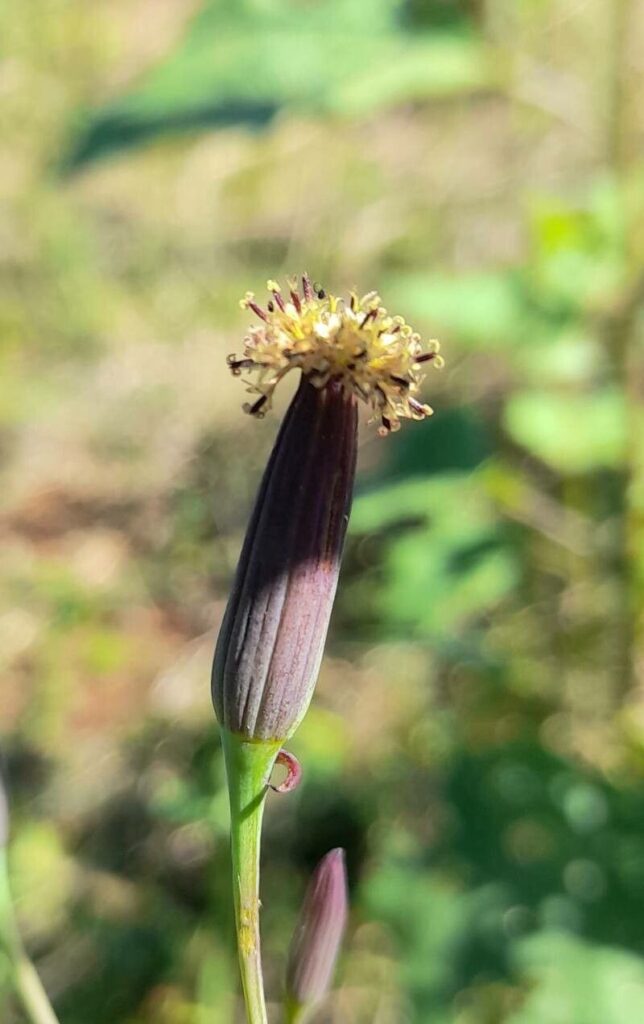
Unlocking the Secrets of “Quilquina”: How to Propagate Porophyllum ruderale
Porophyllum ruderale, more commonly known as quillquina, pápalo, or boldo, is gaining popularity amongst adventurous gardeners and foodies alike. This vibrant herb, native to Central and South America, offers a unique flavor profile and boasts medicinal properties. Intrigued? Let’s dive into the world of propagating Porophyllum ruderale and unveil the secrets to cultivating this fascinating plant in your own backyard.
Two Paths to Propagation
Similar to many herbaceous plants, quillquina offers two primary methods of propagation:
1. Seeds: Sowing the Future
- Timing is Key: Spring is the ideal time to sow your quillquina seeds. Wait until after the last frost, when the soil has warmed up considerably.
- Sowing with Care: These seeds prefer a well-draining seed starting mix. Sprinkle them lightly on the surface and cover them with a thin layer of the mix – light is crucial for germination.
- Warmth and Moisture: Maintaining a consistent temperature of around 70-75°F (21-24°C) is crucial for successful germination. Ensure the seed tray stays consistently moist but not waterlogged.
- Patience is a Virtue: Germination can take anywhere from 10 days to 3 weeks. Once your seedlings boast a couple of true leaves, they are ready to be transplanted to individual pots or directly into your garden.
2. Cuttings: A Shortcut to Success
- The Right Time: Late spring or early summer, when the plant is actively growing, is the best time to take cuttings.
- Choosing the Ideal Cutting: Select a healthy stem that is about 4-6 inches long and free from flowers or buds.
- Preparing the Cutting: Remove the lower leaves, leaving a couple of leaves at the top. Dip the cut end in rooting hormone (optional but recommended).
- Planting the Cutting: Plant the cutting in a pot filled with a well-draining potting mix.
- Creating a Humid Environment: Cover the pot with a plastic bag or humidity dome to retain moisture and encourage rooting.
- Rooting Time: Within a few weeks, your cutting should develop roots and show signs of new growth. Once established, it can be transplanted.
Nurturing Your Quilquina
Whether you choose seeds or cuttings, providing the right environment is key to your success:
- Sunlight: Quillquina thrives in full sun to partial shade. Choose a location in your garden that receives at least 6 hours of sunlight each day.
- Soil: Well-drained soil is crucial. This plant is adaptable to different soil types but prefers slightly alkaline conditions.
- Watering: While drought-tolerant once established, consistent watering, especially during its initial growth, is essential. Avoid overwatering, which can lead to root rot.
- Fertilizer: While not a heavy feeder, a light application of balanced fertilizer once a month during the growing season can encourage healthy growth.
Reaping the Rewards
Once your quillquina plant is established, get ready to enjoy its unique offerings. The leaves, pungent and slightly bitter, add a flavorful punch to salsas, stews, and meat dishes. Traditionally used for its medicinal properties, quillquina is believed to aid digestion and possess anti-inflammatory benefits.
Ready to add an intriguing and versatile plant to your culinary and medicinal garden? Propagating Porophyllum ruderale is an achievable endeavor that yields rewarding results!