
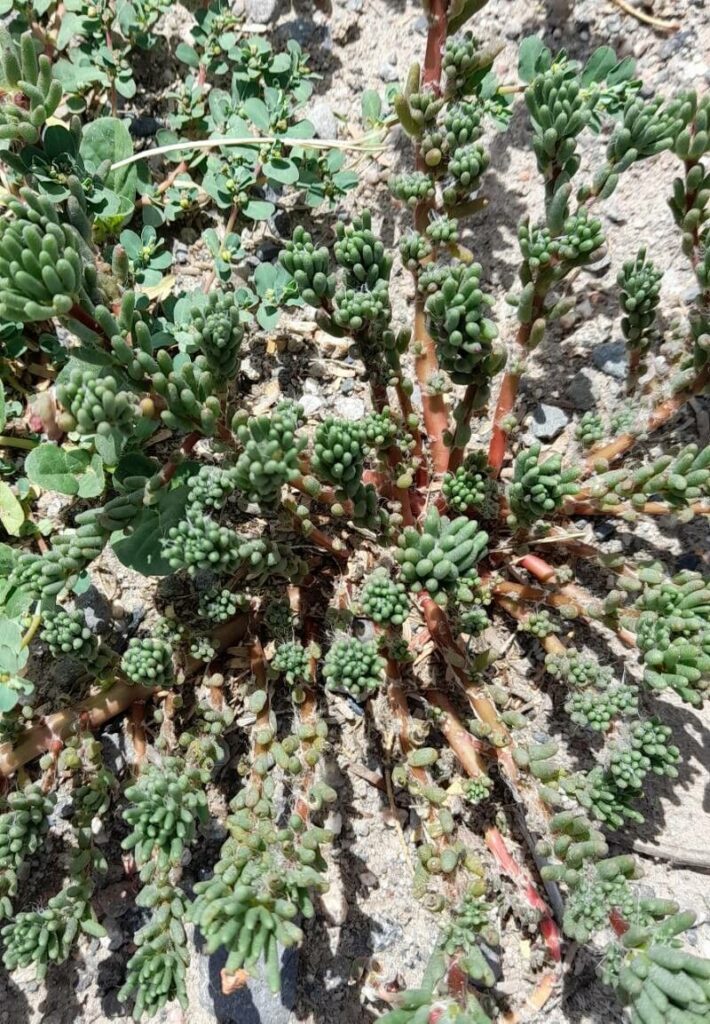
Seeds or Stems: The Easy Ways to Multiply Your Portulaca perennis
Portulaca perennis, also known as pigweed or purslane, is a resilient succulent coveted for its vibrant blooms and ability to thrive in even the harshest conditions. If you’re lucky enough to have this beauty grace your garden, you’ll be happy to know that propagating it is surprisingly simple! Whether you’re a seasoned gardener or just starting out, multiplying your Portulaca perennis is a rewarding experience, and we’re here to guide you through the two most effective methods: seed propagation and stem cuttings.
Method 1: Seed Propagation – A Waiting Game with Rewarding Results
As the name suggests, this method involves starting new plants from the seeds produced by your existing Portulaca perennis. This technique is perfect if you want to grow a large number of plants and don’t mind waiting a bit longer for them to mature.
Here’s what you need:
- Mature seed pods: Once the flowers fade on your Portulaca perennis, they’ll be replaced by small seed pods. Wait until these pods turn brown and dry before collecting them.
- Seed-starting mix: Opt for a well-draining mix specifically formulated for starting seeds.
- Small pots or seed trays: Choose shallow containers with drainage holes.
- Water: Use room temperature water for best results.
Steps:
- Collect the seeds: Gently crush the dried seed pods to release the tiny black seeds within.
- Prepare your containers: Fill the pots or trays with the seed-starting mix, moistening it evenly.
- Sow the seeds: Sprinkle the seeds sparsely over the surface of the mix. Don’t bury them; they need light to germinate.
- Water gently: Mist the seeds with water, being careful not to dislodge them.
- Provide warmth and light: Place the containers in a warm, bright location, but out of direct sunlight.
- Maintain moisture: Keep the seed-starting mix consistently moist, but avoid overwatering, as this can lead to fungal diseases.
- Be patient: Germination typically takes 1-2 weeks.
- Thinning: Once the seedlings develop a few sets of true leaves, thin them out, leaving the strongest ones to grow.
Method 2: Stem Cuttings – For Quick and Easy Clones
If you’re looking for a faster way to propagate your Portulaca perennis, stem cuttings are the way to go. This method involves taking a cutting from a healthy plant and encouraging it to develop roots.
Here’s what you need:
- Sharp, clean pruning shears or scissors: Cleanliness is crucial to prevent the spread of diseases.
- Healthy Portulaca perennis plant: Choose a plant with sturdy stems.
- Rooting hormone (optional): This can help speed up the rooting process.
- Potting mix: Use a well-draining mix, similar to the one used for seed starting.
- Small pot: Ensure it has drainage holes.
Steps:
- Take your cuttings: In the morning, select a healthy stem and make a clean cut just below a leaf node (the point where the leaf attaches to the stem) using your shears. Each cutting should be about 3-4 inches long.
- Prepare the cuttings: Remove the leaves from the bottom inch of the stem.
- Apply rooting hormone (optional): Dip the cut end of the stem into rooting hormone, if desired.
- Plant the cuttings: Fill the pot with the potting mix and make a small hole in the center. Insert the cut end of the stem into the hole, burying at least one leaf node. Gently firm the soil around the cutting.
- Water thoroughly: Water the cutting well, ensuring the soil is moist but not waterlogged.
- Provide bright indirect light: Place the pot in a location with bright, indirect light. Avoid direct sunlight, as this can scorch the delicate cutting.
- Maintain moisture: Keep the soil consistently moist but not soggy.
- Root development: You should see new growth within a few weeks, indicating that roots have developed.
Whether you choose the patience of seed propagation or the speed of stem cuttings, propagating your Portulaca perennis is a gratifying experience that allows you to enjoy an abundance of these vibrant succulents year after year. So go ahead, get your hands dirty, and watch your garden flourish!