
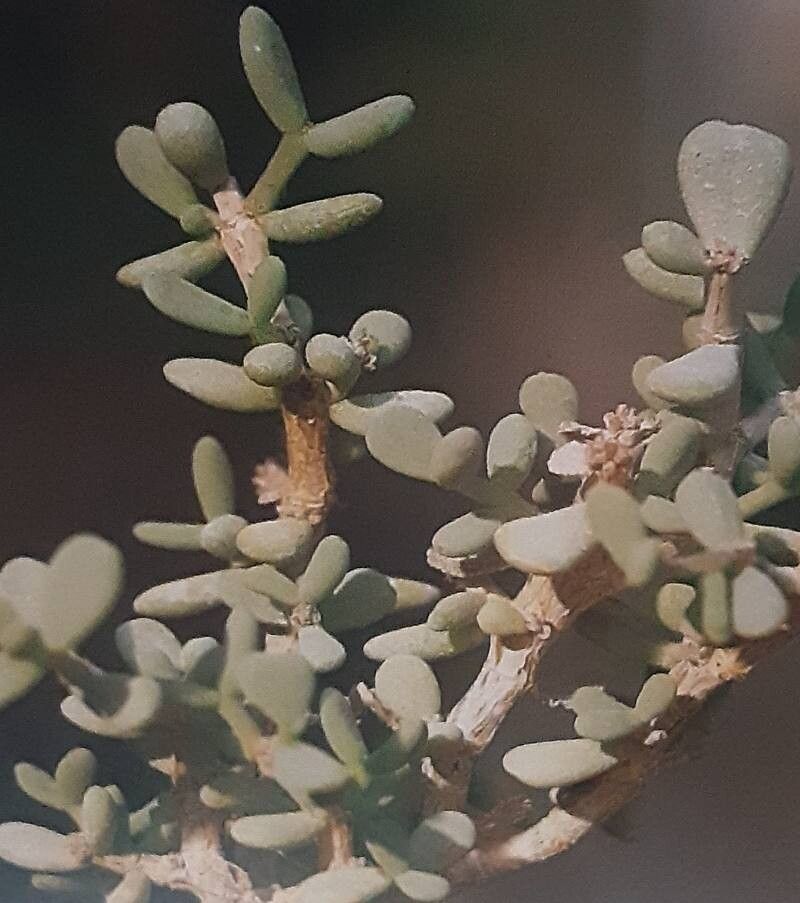
Propagating the Elephant Bush: A Gardener’s Guide to Portulacaria afra
Introduction:
Portulacaria afra, commonly known as the Elephant Bush, is a succulent shrub native to South Africa. Its small, oval leaves and attractive branching habit make it a popular choice for bonsai enthusiasts and succulent collectors alike. Its resilience and adaptability contribute to its ease of care, but propagation can still present some unique challenges. While readily available commercially, propagating your own Elephant Bush offers a rewarding experience and the potential to develop unique plants. Unlike some succulents, seeds are less reliable for propagation, making cuttings the most common and successful method.
Seed Germination:
Currently, there are no known reliable methods for seed germination propagation of Portulacaria afra. While the plant does produce seeds, germination rates are extremely low and inconsistent, making this method impractical for most home gardeners.
Cuttings:
- Challenges: While relatively easy, cuttings can still suffer from rot if not properly prepared and planted. Using overly wet soil or placing cuttings in direct sunlight can lead to failure.
- Practical Tips: The most successful method involves taking stem cuttings, approximately 4-6 inches long, from healthy, mature growth in spring or summer. Allow the cut ends to callus over for a few days before planting in well-draining succulent potting mix. Use a sharp, clean knife or shears to prevent the spread of disease. Plant cuttings shallowly, ensuring only the bottom node is buried. Avoid overwatering; water sparingly only when the soil is completely dry. Propagating in bright, indirect light is crucial. Rooting hormones can improve success rates.
- Rewards: Cuttings are the most reliable method, offering a relatively quick way to generate new plants that are genetically identical to the parent plant. It’s a simple and highly efficient technique.
Division:
- Challenges: Division is best suited for larger, established plants. Care must be taken to avoid damaging the roots and stems during the separation process.
- Practical Tips: Division should be attempted during the plant’s active growing season (spring/summer). Gently remove the plant from its pot and carefully separate the root ball into multiple sections, ensuring each section contains healthy roots and stems. Replant each division in individual pots using well-draining succulent soil.
- Rewards: Division allows you to increase the number of plants quickly and easily from a mature specimen. Like cuttings, it maintains the genetic characteristics of the mother plant.
Tissue Culture:
- Challenges: Tissue culture requires specialized equipment, sterile conditions, and a good understanding of plant tissue culture techniques. This is not a viable method for the average home gardener.
- Practical Tips: This method involves sterilizing plant tissue and growing it in a nutrient-rich medium under controlled conditions.
- Rewards: Tissue culture allows for rapid multiplication of plants, disease-free propagation, and the potential to produce thousands of clones from a small amount of starting material. This is commonly used for large-scale commercial propagation but not easily replicated at home.
Conclusion:
Propagating Portulacaria afra presents varying levels of difficulty depending on the chosen method. While seed propagation is impractical, cuttings offer the most accessible and reliable route to success for the home gardener. Division provides a viable option for established plants. Tissue culture, although offering the potential for large-scale propagation, is best left to professionals with access to specialized equipment and expertise.
The unique satisfaction derived from successfully propagating this resilient succulent stems from overcoming the challenges inherent in each method. The patience and precision required are rewarded with the pleasure of nurturing new life from a small clipping or division, creating a personal connection with your plants that surpasses the convenience of purchasing ready-made specimens. Whether starting with a cutting or attempting division, with the right techniques and a bit of perseverance, even novice propagators can successfully cultivate their own Elephant Bush collection, enjoying the enduring beauty of these remarkable plants.