
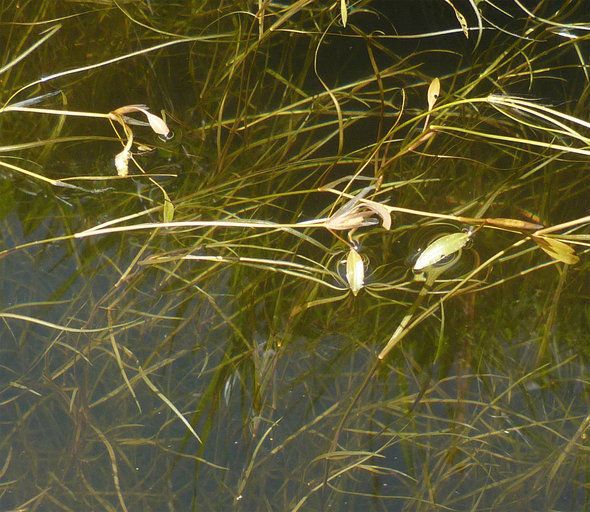
Propagating Potamogeton epihydrus: A Guide to the Variable-Leaved Pondweed
Introduction:
Potamogeton epihydrus, commonly known as variable-leaved pondweed, is an aquatic plant prized for its adaptability and aesthetic appeal in ponds and water gardens. Its name belies its diverse leaf forms, ranging from linear to elliptical, depending on water depth and environmental conditions. While not as widely cultivated as some other aquatic plants, its unique characteristics and contribution to biodiversity make it a desirable addition to any aquatic ecosystem. P. epihydrus propagates primarily vegetatively, presenting both challenges and unique rewards for the enthusiastic aquascaper.
Seed Germination:
Currently, there are no known reliable methods for seed germination propagation of Potamogeton epihydrus. While the plant does produce seeds, their viability and germination rate are extremely low under typical horticultural conditions. Further research is needed to determine optimal germination protocols.
Cuttings:
Cuttings are a relatively successful method for propagating Potamogeton epihydrus.
Challenges: Successfully rooting cuttings requires careful attention to water quality and conditions. Cuttings taken from healthy, actively growing plants are more likely to survive. Nutrient deficiencies and bacterial infections can significantly reduce success rates.
Practical Tips: Take cuttings of approximately 10-15cm in length, ensuring each cutting contains several nodes. Plant these cuttings directly into the substrate of a pond or a container filled with suitable aquatic soil and kept submerged. Regular water changes and maintaining good water quality are essential. Consider using a rooting hormone (designed for aquatic plants) though this isn’t essential for success.
Rewards: Cuttings offer a relatively straightforward method to rapidly increase the number of plants, preserving the genetic characteristics of the parent plant. This is particularly useful if you have a desirable specimen.
Division:
Division is the most commonly used and most successful vegetative propagation method for Potamogeton epihydrus.
Challenges: Careful handling is required to avoid damaging the rhizomes and roots of the plant. Severely disrupting the root system during division can lead to reduced growth or plant death.
Practical Tips: The best time to divide P. epihydrus is during its active growing season. Gently lift the established plant from the water, carefully separating the rhizomes into smaller portions, each with several healthy shoots and a good root system. Replant the divisions immediately, ensuring the roots are well-established in the new substrate.
Rewards: Division is a highly efficient method for rapid propagation, allowing for easy multiplication of the plant while maintaining its genetic integrity.
Tissue Culture:
Tissue culture propagation of Potamogeton epihydrus is a relatively unexplored area.
Challenges: Establishing a sterile culture and identifying the optimal media and growth regulators required for successful tissue culture would require significant experimentation. This technique is usually employed in a laboratory setting and requires specialized equipment and expertise.
Practical Tips: This method should only be attempted by those with experience in plant tissue culture.
Rewards: Tissue culture presents the possibility for large-scale production and disease-free propagation, though the establishment and optimization phases are challenging and time-consuming.
Conclusion:
Propagating Potamogeton epihydrus presents unique challenges, primarily due to the limited success rate of seed propagation. While cuttings offer a reasonable method, division remains the most effective and accessible technique for most home aquascapers. Tissue culture offers potential but demands significant expertise. Despite these challenges, the satisfaction of successfully propagating this unique aquatic plant, observing its growth, and contributing to its presence in your water garden is undeniably rewarding. Patience, attention to detail, and a fundamental understanding of aquatic plant needs are essential for success. Don’t be discouraged by initial setbacks; perseverance is key to unlocking the secrets of propagating this fascinating pondweed.