
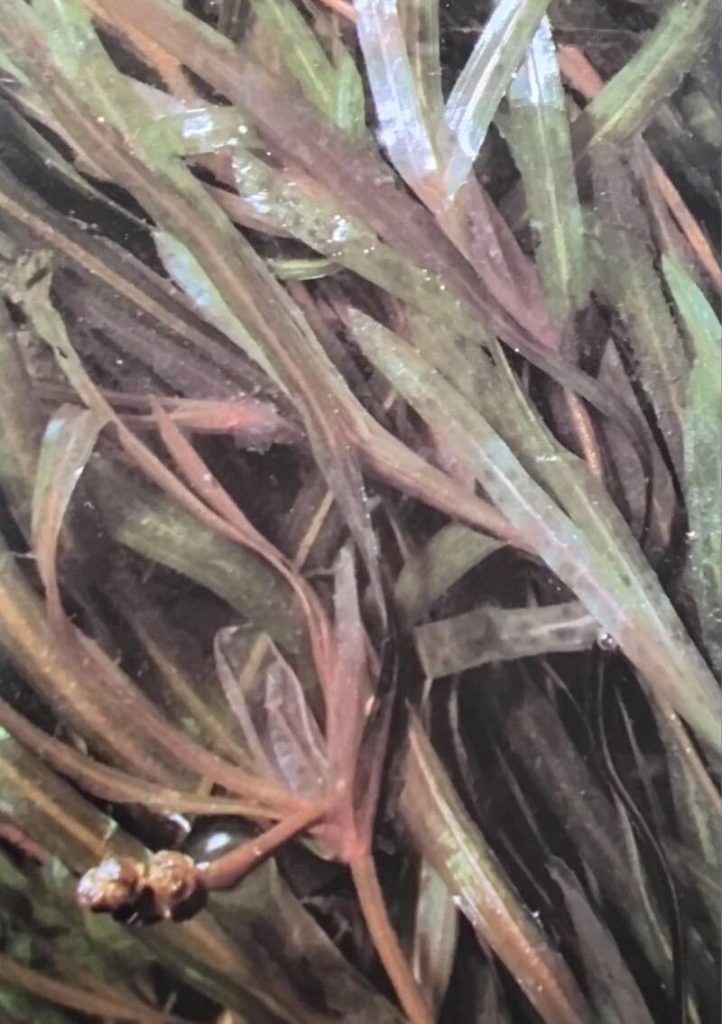
Propagating Potamogeton obtusifolius: A Guide to the Blunt-Leaved Pondweed
Introduction
Potamogeton obtusifolius, commonly known as blunt-leaved pondweed, is a submerged aquatic plant prized for its delicate, rounded leaves and contribution to healthy aquatic ecosystems. Its vibrant green foliage provides excellent cover for fish and other invertebrates, and it plays a crucial role in oxygenating the water. While not as widely cultivated as some other aquatic plants, its aesthetic appeal and ecological importance make it a desirable addition to ponds and water gardens, particularly for those seeking a naturally thriving environment. Propagation, however, can present certain challenges due to its specific ecological needs. This article explores various methods, highlighting their viability and offering practical advice.
Seed Germination
Currently, there are no known reliable methods for seed germination propagation of Potamogeton obtusifolius. While the plant does produce seeds, their viability and germination rate under controlled conditions are extremely low, rendering this method impractical for most growers. Further research into specific germination requirements might unlock this propagation pathway in the future.
Cuttings
Cuttings are a more viable method for propagating Potamogeton obtusifolius.
Challenges: Successfully rooting cuttings requires careful attention to water quality and temperature. The cuttings need to be healthy and vigorous, taken from actively growing stems. Poor water quality (e.g., high nutrient levels or contamination) can lead to fungal growth and rotting.
Practical Tips: Take stem cuttings of 5-10cm, ensuring each cutting includes at least two nodes. Plant these cuttings directly into a suitable aquatic environment, such as a container of well-oxygenated pond water or fine gravel substrate submerged in water. Maintain optimal water conditions (slightly acidic to neutral pH, relatively stable water temperature) and ensure adequate light penetration. Regular water changes can help prevent the build-up of harmful substances.
Rewards: Cuttings propagation is relatively straightforward and offers a quick method for increasing the number of plants. However, it doesn’t offer the genetic diversity that seed propagation provides.
Division
Division is arguably the most successful and common method of propagating Potamogeton obtusifolius.
Challenges: This method requires a relatively established plant with sufficient rhizomes. Care must be taken to ensure that each division receives a healthy portion of rhizome with multiple shoots to ensure successful establishment. Damage during division can also increase susceptibility to diseases.
Practical Tips: During the growing season (spring or early summer), gently remove the plant from the water. Carefully divide the rhizome into several sections, each with several shoots and healthy roots. Replant the divisions in suitable aquatic habitats, ensuring adequate spacing to prevent overcrowding.
Rewards: Division is a relatively simple and successful method, leading to quick establishment of new plants. It preserves the genetic characteristics of the parent plant.
Tissue Culture
Tissue culture propagation of Potamogeton obtusifolius is a possibility, though not widely practiced.
Challenges: This technique requires specialized equipment, sterile conditions, and considerable expertise in plant tissue culture. It is a more complex and expensive method compared to cuttings or division.
Practical Tips: Establishing a protocol for Potamogeton obtusifolius would require experimentation to identify the optimal growth media, hormone concentrations, and light conditions for successful shoot proliferation and rooting.
Rewards: Tissue culture allows for mass production of genetically identical plants—useful for large-scale restoration projects or commercial propagation, but it’s not feasible for hobbyists.
Conclusion
Propagating Potamogeton obtusifolius presents unique challenges related to optimizing water conditions and handling the plant’s delicate structure. While seed germination remains unreliable, both cuttings and division offer viable pathways for successful propagation. Division arguably stands as the most accessible and successful method for most home cultivators. Tissue culture holds potential for large-scale propagation, but its complexity limits its accessibility.
The satisfaction derived from successfully nurturing this beautiful and ecologically significant plant is immeasurable. Overcoming the challenges involved brings a keen sense of accomplishment and contributes to the preservation of aquatic biodiversity. For aspiring propagators, start with the simpler methods of division or cuttings, focusing on providing optimal water quality and appropriate light conditions. Patience and meticulous care are key to unlocking the beauty of Potamogeton obtusifolius in your own aquatic garden.