
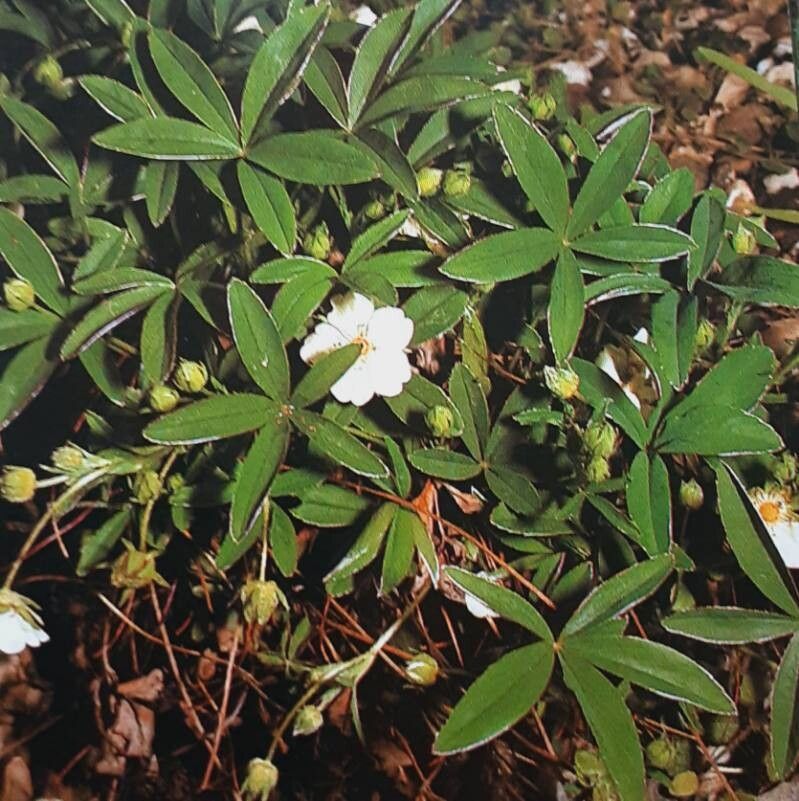
Propagating Potentilla alba: White Cinquefoil’s Path to Success
Introduction:
Potentilla alba, commonly known as White Cinquefoil, is a charming perennial native to Europe and Asia. Its delicate white flowers, often with a slight yellow center, and finely-divided foliage make it a popular choice for borders, rock gardens, and cottage gardens. Its low-maintenance nature and tolerance of various soil conditions further enhance its appeal. However, while readily available as established plants, propagating Potentilla alba can present some unique challenges, making successful cultivation all the more rewarding. This article explores different propagation methods, detailing their viability and offering practical tips for gardeners.
Seed Germination:
Currently, there are no known reliable methods for seed germination propagation of Potentilla alba. While seeds may be produced, their germination rate is notoriously low and unpredictable. The dormancy mechanisms are complex, and even with stratification (a period of cold, moist storage to mimic winter conditions), success is often limited. Therefore, relying on seed propagation for Potentilla alba is not recommended for the typical home gardener.
Cuttings:
Cuttings offer a more reliable method for propagating Potentilla alba.
Challenges: Rooting can be slow and success rates aren’t guaranteed. The timing of taking cuttings is crucial.
Practical Tips: Take semi-hardwood cuttings in late summer or early autumn. Use a sharp knife or secateurs to obtain 4-6 inch cuttings from non-flowering stems. Remove lower leaves, dip the cut ends in rooting hormone, and plant in a well-draining propagating mix (e.g., peat and perlite). Maintain consistently moist but not waterlogged conditions, preferably under a humidity dome or propagator. Protecting cuttings from direct sunlight is also important.
Rewards: Cuttings offer a faster method to acquire genetically identical plants compared to seed propagation. It’s an ideal method for multiplying a particularly desirable cultivar.
Division:
Division is perhaps the easiest and most successful method for propagating Potentilla alba.
Challenges: Division is best done during the plant’s dormant period (spring or autumn) and requires careful handling to avoid damaging the roots. Overly vigorous division can weaken the parent plant.
Practical Tips: Gently dig up the established plant. Using a sharp knife or spade, divide the root ball into sections, ensuring each division has multiple healthy growing points and a good root system. Replant the divisions immediately, maintaining the same soil depth as before. Water thoroughly after planting.
Rewards: This is a relatively straightforward method that yields quick results with a high success rate. It provides a reliable way to increase the number of plants quickly.
Tissue Culture:
Tissue culture offers the potential for large-scale propagation of Potentilla alba, generating many genetically identical plants quickly.
Challenges: This method requires specialized equipment, sterile conditions, and expertise in plant tissue culture techniques. It’s not feasible for home gardeners.
Practical Tips: Tissue culture is a highly specialized process best left to nurseries or research laboratories with the appropriate facility and knowledge.
Rewards: High propagation rates, the ability to eliminate diseases, and the generation of large quantities of plants in a short time.
Conclusion:
Propagating Potentilla alba presents unique challenges depending on the method chosen. While seed germination is unreliable, cuttings offer a viable option for gardeners with patience. Division is the most readily accessible and successful technique for home propagation, offering a satisfying and efficient method for multiplying plants. Tissue culture, while effective for large-scale propagation, requires specialized knowledge and equipment. The effort invested in propagating this lovely plant, regardless of the method, is generously rewarded by the beauty of the resulting white cinquefoil flowers carpeting your garden. The challenge and eventual success in nurturing these plants from small cuttings or divisions provide a unique satisfaction that transcends mere cultivation; it’s a connection to the cyclical nature of life and a testament to the gardener’s skill and patience. So, choose your method, embrace the learning process, and enjoy the journey of propagating this delightful plant!