
Propagating Potentilla drummondii: A Gardener’s Guide
Introduction:
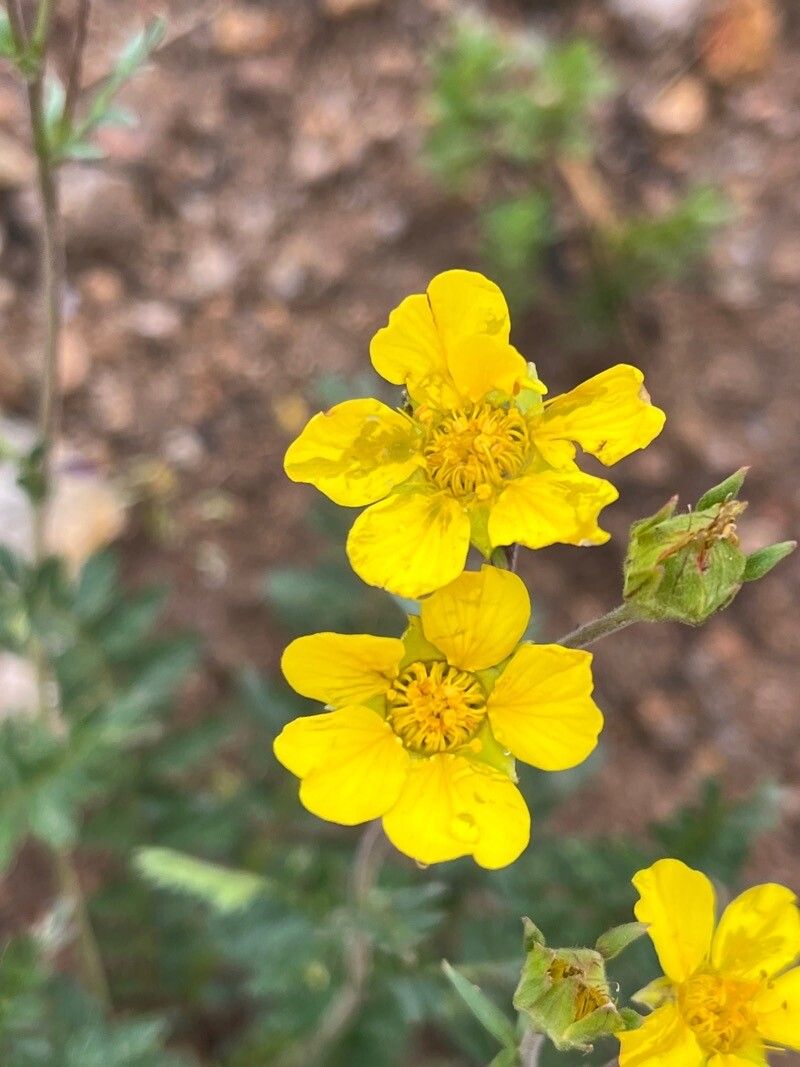
Potentilla drummondii, also known as Drummond’s Cinquefoil, is a charming, low-growing perennial native to North America. Its delicate, bright yellow flowers and finely divided foliage make it a popular choice among gardeners seeking a hardy and attractive groundcover. Its compact habit and tolerance of various soil conditions further enhance its appeal. While relatively easy to maintain, propagating Potentilla drummondii can present some unique challenges, making success all the more rewarding.
Seed Germination:
Currently, there are no known reliable methods for seed germination propagation of Potentilla drummondii. While seeds may be produced, their germination rate is notoriously low, and consistent success has not been documented in horticultural literature. This is likely due to factors such as seed dormancy and specific environmental requirements not yet fully understood.
Cuttings:
Challenges: Successfully propagating Potentilla drummondii from cuttings requires attention to detail and consistent care. The plant’s somewhat woody stems can be difficult to root, and rot is a potential problem if conditions are overly moist.
Practical Tips: Softwood cuttings taken in spring or early summer typically yield the best results. Use sharp, clean shears to take 4-6 inch cuttings, removing lower leaves to prevent rotting. Dip the cut ends in rooting hormone to encourage root development. Plant the cuttings in a well-draining propagation mix, keeping the environment consistently humid (e.g., using a humidity dome or misting regularly). Provide bright, indirect light.
Rewards: Cuttings offer a relatively quick method to obtain genetically identical plants to the mother plant, maintaining desirable traits. This is particularly useful for propagating rare or prized cultivars.
Division:
Challenges: Division is a relatively straightforward method, but it requires established, mature plants. Dividing too early may weaken the parent plant, hindering its future growth.
Practical Tips: The best time to divide Potentilla drummondii is in early spring or autumn, just before or after its active growth period. Gently dig up the plant, carefully separating the root crown into smaller sections, each with its own root system and several stems. Replant the divisions immediately, ensuring good soil contact. Water thoroughly after planting.
Rewards: This is a simple and effective method for increasing the number of plants quickly and easily. It is less labour intensive than cuttings propagation.
Tissue Culture:
Challenges: Tissue culture propagation, while potentially yielding large numbers of plants, is a complex and specialized technique requiring sterile conditions, specialized equipment, and a deep understanding of plant physiology and microbiology. It is generally not a practical method for home gardeners.
Practical Tips: This method requires a controlled environment with specific media formulations and growth regulators. The process involves sterilizing plant material, establishing cultures on agar medium, and subsequently transferring plantlets to rooting medium.
Rewards: Tissue culture offers the potential for mass propagation of disease-free plants, which could be crucial for large-scale commercial production or conservation efforts. However, the initial investment and specialized expertise needed make it impractical for the average home grower.
Conclusion:
Propagating Potentilla drummondii presents its own unique set of challenges, with seed propagation currently proving unreliable. Cuttings and division are the most practical methods for the home gardener, each offering its own advantages and requiring meticulous attention to detail. While the success rate may not be 100%, the satisfaction of nurturing a cutting or division from a small piece into a healthy, thriving plant is deeply rewarding. The unique aesthetic qualities of Drummond’s Cinquefoil, coupled with the challenge of its propagation, make the endeavor all the more satisfying. For aspiring propagators, patience, persistence, and careful observation are key to success. Don’t be discouraged by setbacks – each attempt brings you closer to mastering the art of cultivating this delightful plant.