
Propagating Psydrax subcordatus: A Gardener’s Guide
Introduction
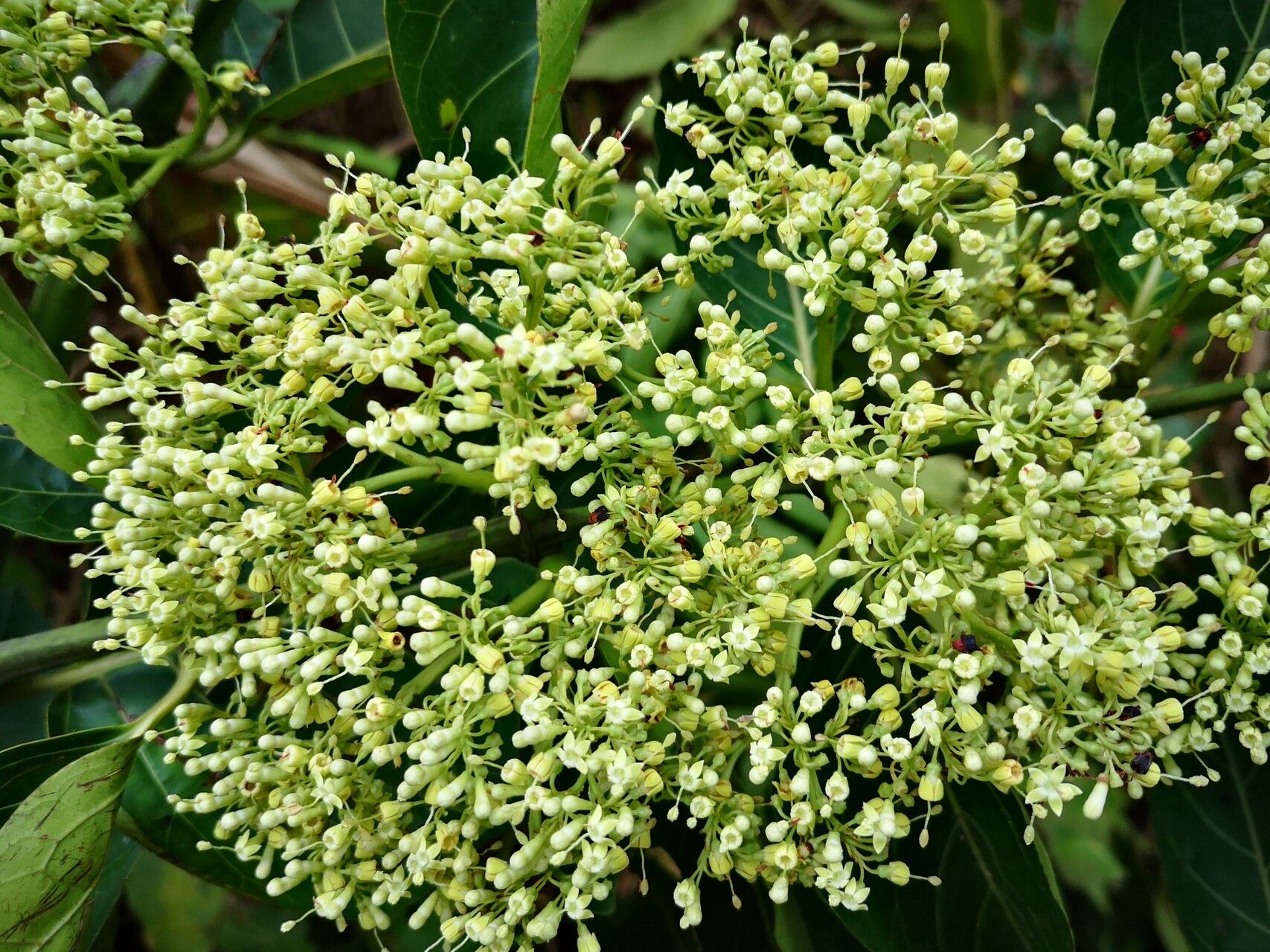
Psydrax subcordatus, commonly known as the Large-leaved Psydrax, is a captivating shrub or small tree prized for its glossy, dark green foliage and attractive, often fragrant, white flowers followed by colourful berries. Its relatively low maintenance nature and adaptability make it a popular choice among gardeners in suitable climates. While not as widely cultivated as some other species, its unique appearance and potential for creating striking hedges or as a specimen plant have fueled interest in its propagation. This guide explores various methods for propagating Psydrax subcordatus, outlining both the challenges and rewards involved.
Seed Germination
Currently, there are no known reliable methods for seed germination propagation of Psydrax subcordatus. While seeds may be produced, germination rates appear to be extremely low, and consistent success remains elusive. Further research into specific pre-treatment techniques, such as scarification or stratification, may be warranted, but currently, this method is not recommended for practical propagation.
Cuttings
Cuttings offer a more promising avenue for Psydrax subcordatus propagation.
Challenges: Rooting success can be variable and slow. The optimal timing for taking cuttings (likely during the growing season) and the specific hormonal treatments required for optimal root development need to be determined through experimentation.
Practical Tips: Semi-hardwood cuttings, taken from mature but not fully lignified stems, are likely to yield the best results. The use of rooting hormone powder is highly recommended. Employ a well-draining propagation mix (e.g., perlite and peat moss) and maintain high humidity using a propagator or plastic bag. Consistent bottom heat can also significantly improve rooting success.
Rewards: Cuttings offer a reliable method for preserving desirable traits from a parent plant, ensuring genetic consistency. This makes it ideal for propagating selected cultivars with particular leaf colour or flower characteristics. It also provides a relatively faster way to increase the number of plants compared to other methods.
Division
Division of Psydrax subcordatus is generally not feasible. This species typically develops a strong, single taproot system, making division without severe damage to the plant highly improbable.
Tissue Culture
Tissue culture presents a potential avenue for large-scale propagation of Psydrax subcordatus.
Challenges: Establishing a successful tissue culture protocol requires specialized knowledge, equipment, and a sterile environment. Finding the optimal media composition and growth regulators to induce shoot multiplication and root development may require considerable experimentation.
Practical Tips: Collaboration with a tissue culture laboratory or experienced propagator will significantly increase the likelihood of success.
Rewards: Tissue culture offers the possibility for rapid clonal propagation of superior genotypes, allowing for the mass production of genetically identical plants. This method is crucial for preserving rare or desirable cultivars and meeting the demand for this increasingly popular species.
Conclusion
Propagating Psydrax subcordatus presents distinct challenges across various methods. While seed germination is currently unreliable, cuttings offer a more accessible, albeit potentially slow, method for propagation. Tissue culture holds tremendous promise for the large-scale production of this attractive plant, but it necessitates specialized knowledge and facilities. The difficulty in propagation only adds to the satisfaction of successfully cultivating this unique species. The reward of nurturing a cutting into a thriving plant, or overseeing the successful multiplication of plants in a tissue culture lab, makes the effort significantly worthwhile. Persistence, meticulous attention to detail, and a willingness to experiment are key to success for aspiring propagators of Psydrax subcordatus. Start with the more accessible cutting method and consider tissue culture as a potential avenue for larger-scale propagation once you have mastered the basics.