
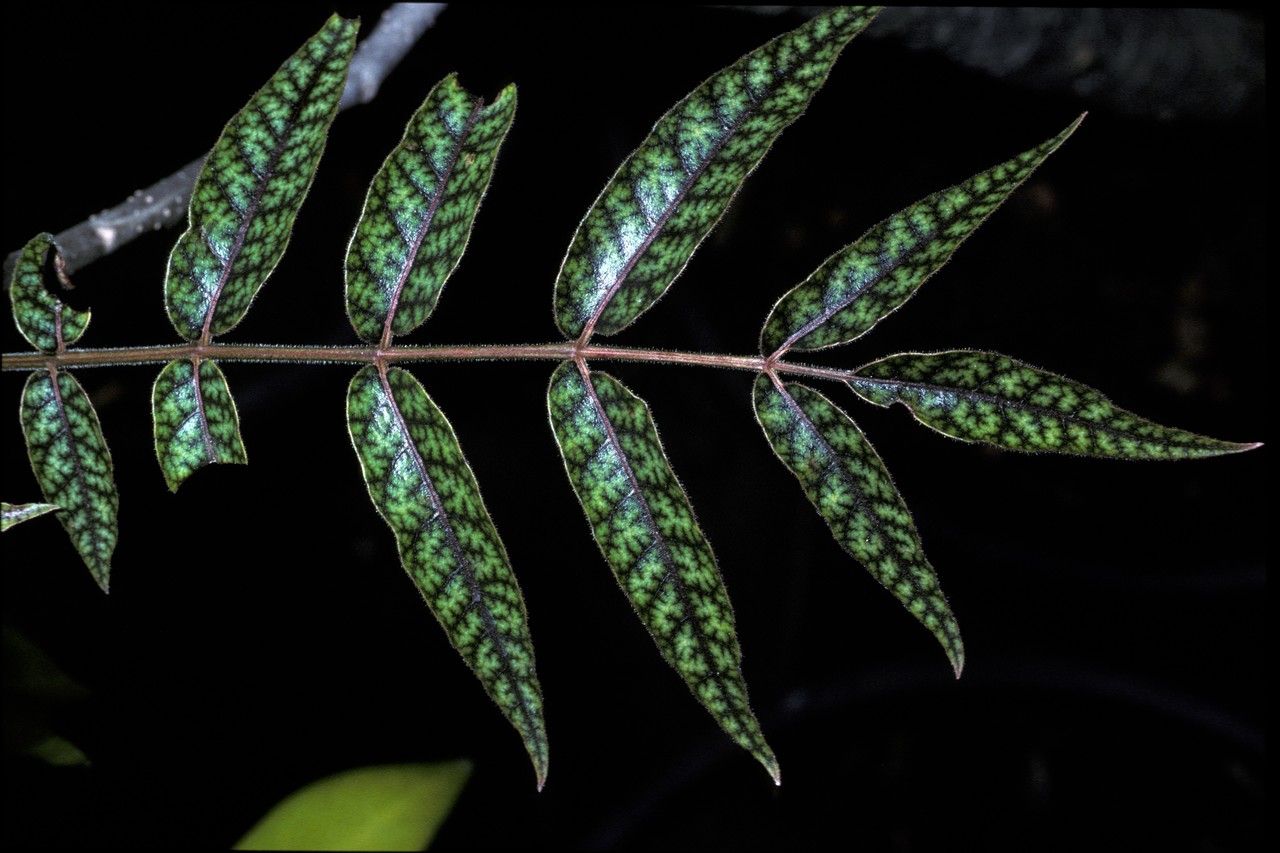
Cracking the Code: Propagating the Enigmatic Poupartia castanea
The Poupartia castanea, also known as the False Sandalwood or Gononat, is not your typical houseplant. This tropical treasure, native to the islands of the Indian Ocean, boasts beautiful foliage, fascinating fruits, and an air of mystery due to its relative rarity in cultivation. If you’re lucky enough to encounter this intriguing species, you might be tempted to try your hand at propagation. However, be warned – the Poupartia castanea is notoriously fickle when it comes to reproduction. But fear not, intrepid plant enthusiast! This article will delve into the secrets of propagating this enigmatic species, giving you the knowledge to expand your botanical horizons.
Two Paths to Propagation: Seed vs. Cuttings
The Poupartia castanea can be propagated through two main methods: seeds and cuttings. Each comes with its own set of challenges and triumphs.
1. The Seed Route: A Test of Patience
Propagating from seed is considered the more challenging route. Here’s why:
- Freshness is Key: Poupartia castanea seeds have notoriously short viability. To maximize your chances of success, source fresh seeds directly from ripe fruits.
- Break Down Barriers: The seeds possess a hard outer shell that requires scarification to encourage germination. Gently nicking or rubbing the seed coat with sandpaper can help.
- Warmth and Moisture are Allies: Sow the scarified seeds in a well-draining seed-starting mix, keeping it consistently moist and warm (around 75-85°F). Be patient; germination can take several weeks or even months.
2. The Cutting Edge: A Faster but Finer Approach
Propagating from cuttings offers a quicker, albeit more technique-sensitive, approach. Follow these steps:
- Timing is Everything: Take semi-hardwood cuttings in late spring or early summer when the plant is actively growing. Select healthy stems with at least two to three nodes.
- Hormonal Help: Dip the cut end of the stem in a rooting hormone powder to stimulate root development.
- A Cozy Environment: Plant the treated cuttings in a well-draining mix of peat moss and perlite. Maintain high humidity by covering the pot with a plastic bag or using a humidity dome.
- Light and Patience are Key: Place the cuttings in bright, indirect light, avoiding direct sun which can scorch them. Rooting can take a few weeks.
Beyond the Basics: Tips for Success
No matter which method you choose, a few general tips can significantly increase your chances of success:
- Sterile Practices: Use clean tools and pots to prevent fungal infections.
- Well-Draining Soil: Poupartia castanea is susceptible to root rot, so good drainage is paramount.
- Mimic their Natural Habitat: These plants thrive in warm, humid environments. Providing similar conditions during propagation is crucial.
The Rewards of Patience and Persistence
Propagating the Poupartia castanea is not for the faint of heart. It requires patience, a dash of botanical luck, and a willingness to embrace the challenges. However, the reward of successfully nurturing a new plant from seed or cutting is immensely satisfying. By mastering these propagation techniques, you’ll not only expand your plant collection but also contribute to the preservation of this rare and beautiful species.