
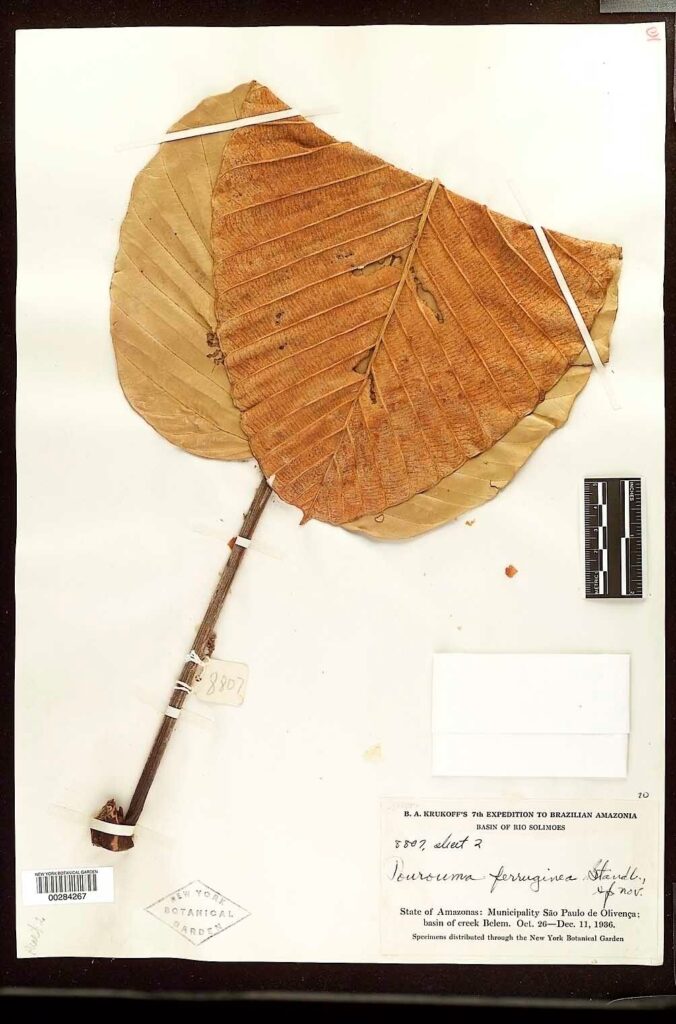
Unlocking the Secrets to Growing Pourouma Ferruginea: A Beginner’s Guide to Propagation
Pourouma ferruginea, also known as the “breadfruit of the Amazon,” is a fascinating and increasingly popular plant. With its striking foliage and potential for edible fruit, many are eager to add this tropical treasure to their collections. But how do you get started? The answer lies in the art of propagation.
This article will walk you through the different methods of propagating Pourouma ferruginea, dispelling the mystery and making it accessible for even the newest plant parent.
Understanding the Basics
Propagation is essentially the process of creating new plants from existing material. There are two main approaches:
- Sexual Propagation: This involves using seeds to start new plants.
- Asexual Propagation: This method uses vegetative parts of the plant, such as cuttings or divisions, to create clones of the parent plant.
Methods for Propagating Pourouma Ferruginea:
1. Seed Propagation:
- Collecting Seeds: Obtain ripe fruits from mature Pourouma ferruginea trees and carefully extract the seeds.
- Sowing: Sow seeds in a well-draining seed-starting mix and maintain a warm, humid environment.
- Germination: Seeds germinate in a few weeks, but can take longer. Patience is key!
- Pros: A simple and affordable method that allows for genetic diversity.
- Cons: Seeds can be difficult to obtain and germination rates can be unpredictable.
2. Cuttings:
- Type of Cuttings: Softwood cuttings, taken from new growth, are most successful with Pourouma ferruginea.
- Selection: Choose healthy stems with at least two nodes (where leaves grow).
- Preparing Cuttings: Cut just below the node with a sharp, clean tool. Remove lower leaves and dip the cut end in rooting hormone for better results.
- Rooting: Plant the cuttings in a sterile, well-draining rooting medium and maintain a humid environment.
- Timeframe: Rooting may take several weeks.
- Pros: Generally faster and more reliable than seed propagation.
- Cons: Requires more effort and specialized techniques.
3. Air Layering (Optional):
While less common, air layering offers an alternative for propagating Pourouma ferruginea.
- Process: Carefully remove a ring of bark from a branch and encourage the development of roots by covering the bare area with a moist rooting medium.
- Benefits: Allows you to propagate a branch on the existing plant, minimizing disruption.
Tips for Success:
- Environment: Pourouma ferruginea thrives in warm, humid conditions. Mimic these conditions during propagation.
- Watering: Keep the rooting medium moist but not waterlogged.
- Patience: Give your plants time to establish themselves.
- Observe and Adjust: Pay attention to your plants’ needs and adjust your care as necessary.
Conclusion:
Propagation of Pourouma ferruginea can be an exciting journey for any green thumb. Choosing the right method and following the tips outlined above will greatly increase your chances of success. Whether you’re starting from seeds, cuttings, or even air layering, remember to approach the process with a spirit of curiosity and a touch of patience. The reward? A healthy, thriving Pourouma ferruginea to enjoy for years to come.