
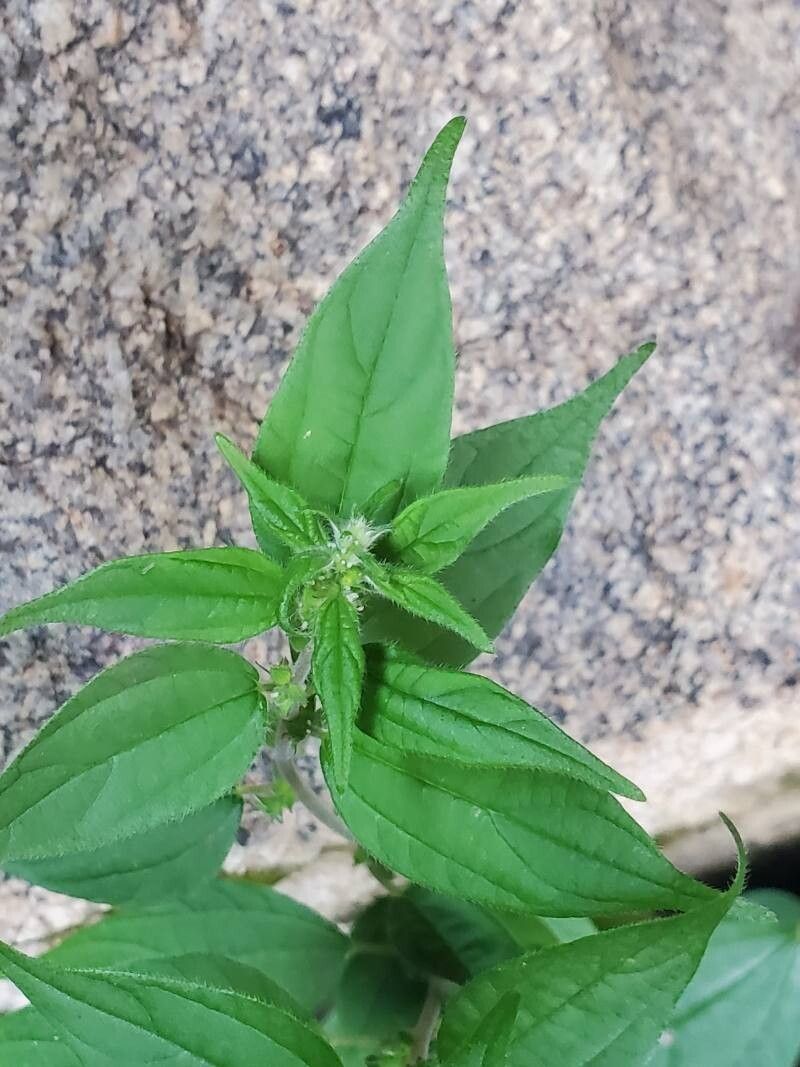
Taming the Tropical Nettle: Propagating Your Very Own Pouzolzia Guineensis
The world of exotic plants is filled with intriguing species, and “Pouzolzia guineensis,” often called the African Nettle or Guinea Leaf, certainly piques the interest. But don’t let the “nettle” part scare you – this tropical gem, with its vibrant green foliage and culinary and medicinal uses, doesn’t sting! And the best part? Propagating Pouzolzia guineensis is a surprisingly achievable feat, even for those new to the joys of plant parenting.
Ready to welcome this fascinating species into your garden or home? Let’s explore the most effective propagation techniques:
1. Stem Cuttings: The Go-To Method
Stem cuttings are the most popular and reliable method for propagating Pouzolzia guineensis. Here’s how:
- Timing is Key: Spring or early summer, when the plant is actively growing, offers the highest success rate.
- Take the Cut: Select a healthy, non-flowering stem. Using a clean, sharp knife or pruning shears, cut a 4-6 inch section just below a leaf node (the point where a leaf emerges).
- Prepare the Cutting: Remove the bottom leaves to prevent them from rotting in the rooting medium.
- Rooting Hormone (Optional): While not strictly necessary, dipping the cut end in rooting hormone can encourage faster and more successful root development.
- Planting Time: Plant the cutting in a well-draining potting mix or a seed starting mix. Ensure at least one node is buried.
- Create a Humid Environment: Mist the cutting regularly or cover the pot with a clear plastic bag to maintain high humidity levels, essential for successful rooting.
- Patience is a Virtue: Keep the cutting in a warm, brightly lit area (avoid direct sunlight). Roots should develop within 4-6 weeks. Once new growth appears, you’ll know your cutting has successfully rooted.
2. Layering: Letting Nature Take Root
Layering is another effective method, mimicking the natural rooting process:
- Choose a Branch: Select a low-growing, flexible stem.
- Prepare the Stem: Gently wound the stem by lightly scraping the underside.
- Bury the Wound: Bend the wounded portion of the stem down and bury it in the soil, ensuring the tip of the stem remains above the ground.
- Secure the Layer: You can use a rock or a landscape pin to hold the buried section in place.
- Keep it Moist: Ensure the soil remains consistently moist.
- Separation Anxiety (The Good Kind): After a few weeks, check for root development. Once roots have formed, you can sever the layered stem from the mother plant.
3. Seeds: A More Challenging Path
While possible, propagating Pouzolzia guineensis from seed can be less reliable and requires more patience:
- Source Your Seeds: Online retailers specializing in exotic seeds may offer Pouzolzia guineensis seeds.
- Surface Sow: Sprinkle the seeds on the surface of a well-draining seed starting mix. Don’t bury them, as they need light to germinate.
- Keep it Warm and Humid: Provide bottom heat using a seedling heat mat and maintain high humidity by covering the tray or pot with a plastic dome.
- Germination Time: Germination can be erratic, ranging from a few weeks to a few months.
- Transplanting Time: Once seedlings develop a couple of sets of true leaves, you can carefully transplant them into individual pots.
The Joys of Success
No matter which method you choose, successfully propagating Pouzolzia guineensis is a rewarding experience. Not only will you expand your plant collection, but you’ll also have the satisfaction of nurturing new life from a single cutting or seed. So go ahead, give these techniques a try, and enjoy the unique beauty and versatility of this fascinating tropical nettle!