
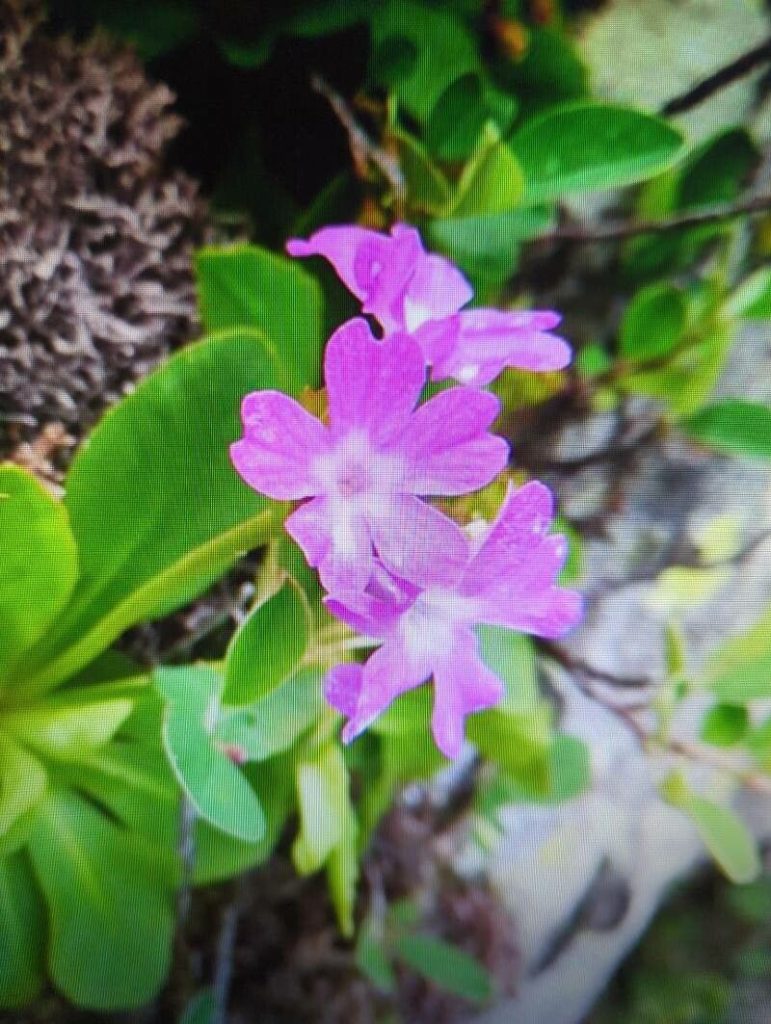
Propagating the Apennine Primrose (Primula apennina): A Gardener’s Guide
Introduction:
Primula apennina, commonly known as the Apennine Primrose, is a charming and sought-after species prized for its delicate, vibrant flowers and compact habit. Native to the Apennine Mountains of Italy, this primula boasts a captivating display of usually blue, sometimes purple, or even white blossoms in early spring, making it a valuable addition to rock gardens, alpine troughs, and woodland borders. Its popularity among gardeners stems from its relatively low maintenance requirements once established and its delightful contribution to early spring colour. However, propagating Primula apennina can present unique challenges, often requiring specific techniques and patience.
Seed Germination:
Seed germination for Primula apennina is viable, but it presents several challenges. Primula seeds are notoriously tiny and require specific conditions for successful germination. The primary hurdle is the need for stratification, a period of cold, moist treatment that mimics the natural winter conditions the seeds experience in their native habitat.
-
Challenges: High sensitivity to fungal diseases (damping-off) is a threat, especially in warm and humid environments. Slow germination rates are also common, requiring patience and careful observation.
-
Practical Tips: Sow seeds in a well-draining seed compost, ideally a peat-free mix, after stratifying them for 6-8 weeks in a refrigerator at temperatures slightly above freezing (around 4°C). Sow seeds thinly on the surface and gently cover with a fine layer of vermiculite or sieved compost. Maintain consistently moist (not waterlogged) conditions and keep the seed tray in a bright but indirect light location. Avoid direct sunlight, which can overheat the seeds.
- Rewards: Successfully germinated seeds offer the reward of considerable genetic diversity, leading to a variety of flower colours and subtle variations within the plants. This method allows for large-scale propagation, ideal for those wishing to create extensive displays or share the plants with fellow enthusiasts.
Cuttings:
Currently, there are no known reliable methods for propagating Primula apennina from cuttings. Primula apennina is not easily propagated vegetatively through stem or leaf cuttings.
Division:
Division is a relatively viable method for propagating Primula apennina, particularly established plants. This involves carefully separating the clump of the plant into smaller sections, each containing healthy roots and shoots.
-
Challenges: Overly aggressive division can damage the delicate root system, leading to plant mortality. Timing is crucial; it’s best done after flowering and before new growth pushes actively.
-
Practical Tips: Gently lift the established clump, carefully loosen and separate the individual sections using a sharp, clean knife or trowel. Ensure that each section has a sufficient number of roots and shoots to support its independent growth and replant promptly in well-prepared, moist soil.
- Rewards: Division is a quick and straightforward method, offering a relatively high success rate. It maintains the exact genetic characteristics of the parent plant, ensuring the propagation of desirable traits.
Tissue Culture:
Tissue culture propagation of Primula apennina is viable but is best left to specialist nurseries and laboratories. It offers advantages by producing many plants from a small amount of starting material. This is a complex process requiring specialized equipment and expertise in sterile techniques.
-
Challenges: Requires a controlled environment, specialized media, and aseptic techniques to prevent contamination. The initial investment in equipment and expertise is significant.
-
Practical Tips: This method is not suitable for home propagation. Contacting a commercial tissue culture laboratory is advisable for large-scale propagation.
- Rewards: High propagation rates, disease-free plants, and efficient large-scale propagation are the significant advantages of this method.
Conclusion:
Propagating the Apennine Primrose presents a unique blend of challenges and rewards. Seed germination, while viable, requires patience and careful attention to detail. Division offers a simpler alternative for established plants, while tissue culture remains a specialized approach. The unique satisfaction derived from successfully cultivating this species, particularly from seed, comes from overcoming these hurdles and witnessing the emergence of these delicate and beautiful blooms. For aspiring propagators, starting with division is recommended if you have an established plant. For those seeking genetic variation and a greater challenge, mastering seed germination with patience and the correct techniques will be immensely rewarding. Remember to prioritize clean equipment and well-draining soil to minimize fungal issues, crucial for success with all methods.