
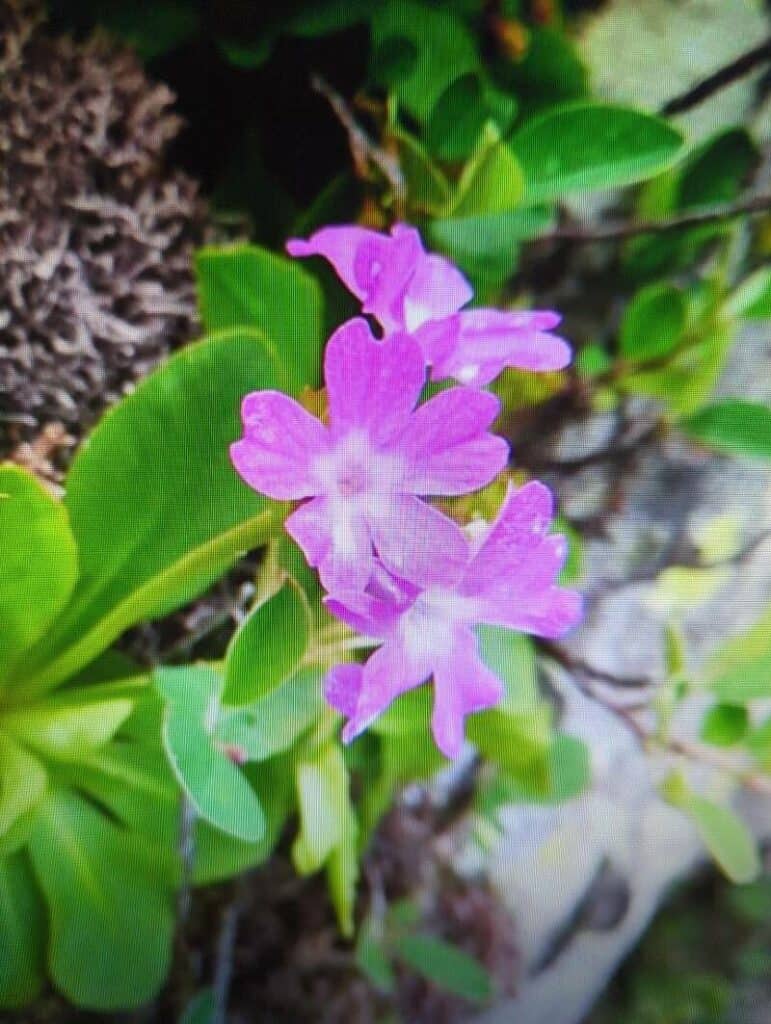
Unveiling the Secrets: How to Propagate the Exquisite Primula apennina
The Primula apennina, with its captivating clusters of rosy-pink flowers crowning a bed of dainty foliage, is a sight to behold. This enchanting alpine perennial, native to the Apennine Mountains of Italy, might seem like a delicate beauty, but don’t let its appearance fool you. With a little know-how, even novice gardeners can successfully propagate this charming plant and enjoy its ethereal beauty year after year.
Two Routes to Propagation Success:
There are two primary methods for propagating Primula apennina: seed sowing and division.
1. Seed Sowing: A Rewarding Journey from Tiny Specks to Blooming Wonders
- Timing is Key: The ideal time to sow Primula apennina seeds is in late winter or early spring. This allows for adequate cold stratification, a period of cold temperatures that many seeds require to germinate.
- Sowing the Seeds:
- Use a well-draining seed starting mix and sow the seeds on the surface, pressing them gently without burying them.
- Mist the soil with water and cover the tray with a clear plastic lid or wrap to maintain humidity.
- Providing the Right Environment:
- Place the tray in a bright location, but out of direct sunlight, ideally with temperatures around 15-18°C (59-64°F).
- Keep the soil consistently moist but not waterlogged.
- Germination Patience: Primula apennina seeds can be slow to germinate, often taking 4 to 6 weeks or even longer. Don’t lose heart!
- Transplanting Time: Once the seedlings have developed a couple of true leaves, transplant them carefully into individual pots filled with a well-draining potting mix.
- Gradually Acclimatize: Harden off the seedlings by gradually introducing them to outdoor conditions before planting them in their final location in late spring or early summer.
2. Division: Multiplying Your Floral Treasures
- The Right Time: Divide established Primula apennina plants in early spring or autumn when the weather is cool.
- Digging Up and Dividing:
- Carefully lift the plant from the ground, ensuring you dig a wide circle around the root system.
- Gently tease apart the roots to divide the plant into smaller sections, each with a good amount of roots and shoots.
- Replanting:
- Choose a well-drained location with partial shade and amend the soil with organic matter.
- Plant the divisions at the same depth they were growing previously, water them well, and mulch around the base.
Nurturing Your Primula Apennina:
Regardless of your chosen propagation method, providing the right care is crucial for your Primula apennina to thrive:
- Light: They prefer partial shade, especially during the hottest part of the day.
- Soil: Well-draining soil is a must. Amend heavy clay soils with compost or grit to improve drainage.
- Water: Keep the soil evenly moist, but avoid overwatering, which can lead to root rot.
- Fertilize: Feed your plants with a balanced liquid fertilizer a couple of times during the growing season.
With a bit of patience and care, you can successfully propagate your own Primula apennina and enjoy their delicate beauty for years to come. So why not give it a try? The journey from seed or division to a blooming plant is a rewarding experience, and the ethereal charm of Primula apennina makes it all worthwhile.