
Propagating the Calden: A Guide to Cultivating Prosopis caldenia
Introduction:
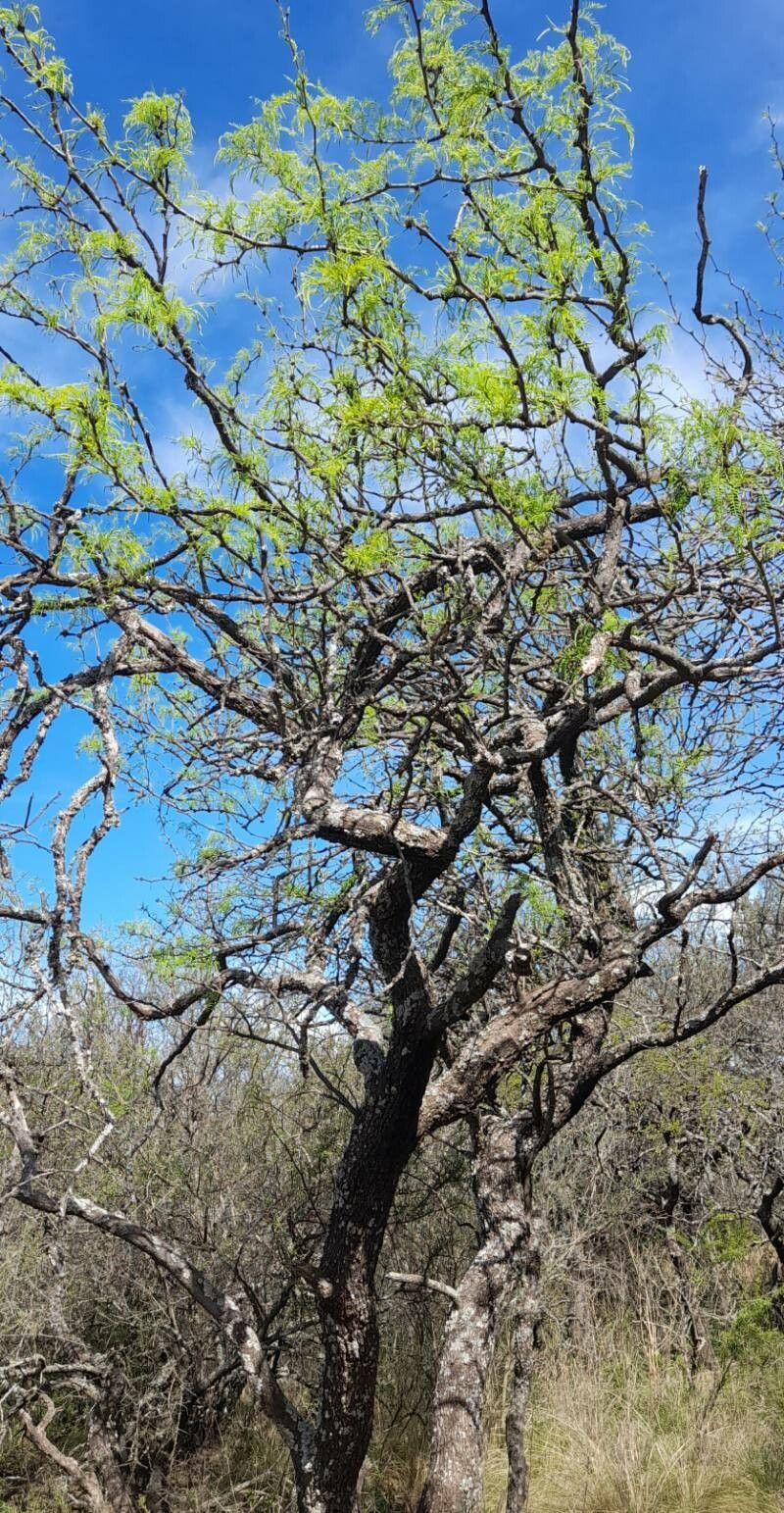
Prosopis caldenia, commonly known as the Calden, is a remarkable tree native to Argentina, displaying exceptional resilience to arid conditions. Its characteristically gnarled branches, feathery foliage, and ability to fix nitrogen in the soil make it a desirable addition to drought-tolerant landscapes and ecologically-minded gardens. While not widely cultivated outside its native range, its unique beauty and ecological importance are driving growing interest among gardeners and conservationists. However, propagating Calden presents distinct challenges, making successful cultivation a rewarding endeavor.
Seed Germination:
Seed germination is a viable method for Prosopis caldenia propagation, but it presents significant hurdles. The primary challenge lies in the hard seed coat, which inhibits water uptake and germination. This requires pre-treatment to overcome seed dormancy. Practical tips include:
- Scarification: Mechanically breaking the seed coat using sandpaper, a file, or even a brief soak in concentrated sulfuric acid (use with extreme caution). This weakens the seed coat, allowing water penetration.
- Stratification: Although not always necessary, a period of cold stratification (e.g., placing seeds in moist vermiculite and storing them in a refrigerator at 4°C for 4-6 weeks) can improve germination rates.
- Sowing Techniques: Sow seeds in well-draining seed-starting mix, providing adequate sunlight and warmth. Maintain consistent moisture but avoid overwatering, as this can lead to fungal diseases.
Rewards: Successful seed germination offers genetically diverse offspring, allowing for larger-scale propagation and increased resilience in future populations.
Cuttings:
Currently, there are no known reliable methods for vegetative propagation of Prosopis caldenia through cuttings. Further research is needed to explore the feasibility of using different hormone treatments and cutting types to overcome the challenges of rooting.
Division:
Division is not a practical method for propagating Prosopis caldenia. This species doesn’t readily form suckers or separate crowns suitable for division.
Tissue Culture:
Tissue culture offers a potential pathway for propagating Prosopis caldenia, although this method is technically demanding and requires specialized equipment and expertise. Establishing aseptic cultures and optimizing growth media formulations specific to Prosopis caldenia are major challenges. While offering the potential for mass propagation of genetically uniform plants, the high initial costs and specialized knowledge required make this approach less accessible to the home gardener.
Conclusion:
Propagating Prosopis caldenia presents unique challenges. Seed germination, while possible with proper pretreatment, requires patience and careful technique. Other vegetative propagation methods have yet to be proven reliable. Tissue culture offers advancements but high setup costs and expertise needed leave it only for specialized labs or research institutions. However, the rewards of successfully nurturing a Calden from seed or through advanced techniques are considerable. The hardiness and beauty of this tree, coupled with the challenges overcome during propagation, imbue the process with a distinct sense of accomplishment. For aspiring propagators, perseverance, a willingness to experiment, and research into specific techniques are vital. Don’t be discouraged by initial failures; the unique satisfaction of cultivating this remarkable species makes the effort worthwhile. Starting with seed, while challenging, is currently the most accessible path to successfully propagating the Calden.