
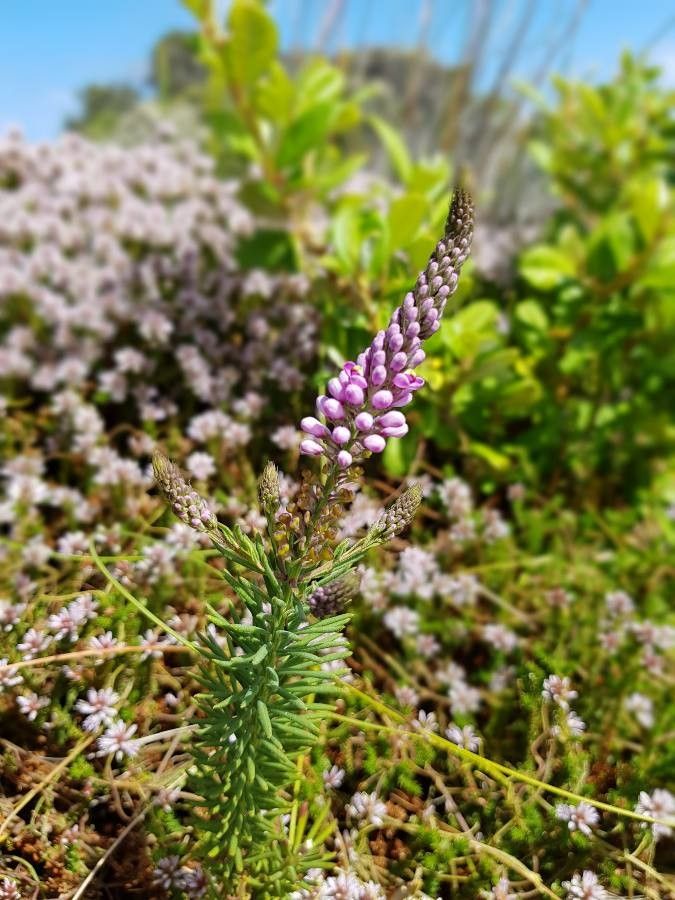
Propagating the Slender Comesperma: A Gardener’s Guide to Comesperma virgatum
Introduction
Comesperma virgatum, commonly known as Slender Comesperma, is a charming Australian native shrub prized for its delicate, wiry stems adorned with small, dainty flowers. Its airy appearance and adaptability make it a popular choice among gardeners seeking low-maintenance, drought-tolerant plants for borders, rockeries, or even container gardens. However, propagating this beauty presents unique challenges, making successful cultivation all the more rewarding. This guide explores various propagation methods, outlining their viability and providing practical tips to increase your chances of success.
Seed Germination
Currently, there are no known reliable methods for seed germination propagation of Comesperma virgatum. Limited research exists on its seed propagation, and anecdotal evidence suggests low germination rates even under optimal conditions. Further research is needed to determine if specific pre-treatment techniques, such as scarification or stratification, might improve germination success.
Cuttings
Viability: Semi-hardwood cuttings offer the most promising method for propagating Comesperma virgatum.
Challenges: Successful rooting requires careful attention to detail. The plant’s relatively slow growth and susceptibility to fungal diseases necessitate sterile conditions and diligent monitoring.
Practical Tips: Take cuttings in late spring or early summer from healthy, non-flowering shoots. Use a sharp, clean knife or secateurs to obtain 8-10cm cuttings, removing lower leaves to prevent rotting. Dip the cut ends in a rooting hormone solution and plant them in a well-draining potting mix (e.g., a mix of perlite and seed-raising mix). Maintain a consistently moist but not waterlogged environment, ideally under a humidity dome or propagation tray to aid retention of moisture. Avoid direct sunlight. Rooting typically takes several weeks to several months.
Rewards: Cuttings offer a relatively straightforward method for creating genetically identical plants, preserving desirable traits. It allows for more efficient propagation compared to other techniques, providing a larger number of plants in a shorter time frame.
Division
Viability: Division is a viable method, but limited by the plant’s growth habit.
Challenges: Comesperma virgatum doesn’t readily form dense clumps suitable for easy division. Care must be taken to avoid damaging the delicate roots during the process. Successful division relies upon obtaining sizeable root sections with established growth points.
Practical Tips: Division is best attempted during the dormant season (late autumn or winter) when the plant is less actively growing. Gently dig up the plant and carefully separate it into sections, ensuring each division has a healthy root system and several stems. Replant the divisions in well-prepared soil, ensuring good drainage.
Rewards: Division is fast and allows for rapid increases in plant numbers, provided the parent plant is sufficiently mature and healthy.
Tissue Culture
Viability: Tissue culture propagation of Comesperma virgatum is possible, but requires specialized skills and equipment.
Challenges: This method is resource-intensive, requires a sterile laboratory environment, and needs specialized knowledge of plant tissue culture techniques. Establishing sterile cultures and achieving high multiplication rates can be challenging.
Practical Tips: This method is best left to professional nurseries or experienced horticulturalists with access to the necessary equipment and expertise.
Rewards: Tissue culture offers the potential for large-scale propagation and the elimination of diseases, resulting in superior plant stock.
Conclusion
Propagating Comesperma virgatum presents unique challenges, with cuttings offering the most accessible and reliable method for the home gardener. While seed germination and division are less reliable, tissue culture presents a potential solution for large-scale production. The rewards – a flourishing display of these delicate Australian natives in your garden – are well worth the effort. Don’t be discouraged by initial setbacks. Experimentation, patience, and attention to detail are crucial for success. The satisfaction of nurturing these charming plants from cuttings or divisions, overcoming the hurdles along the way, offers a truly unique horticultural accomplishment.