
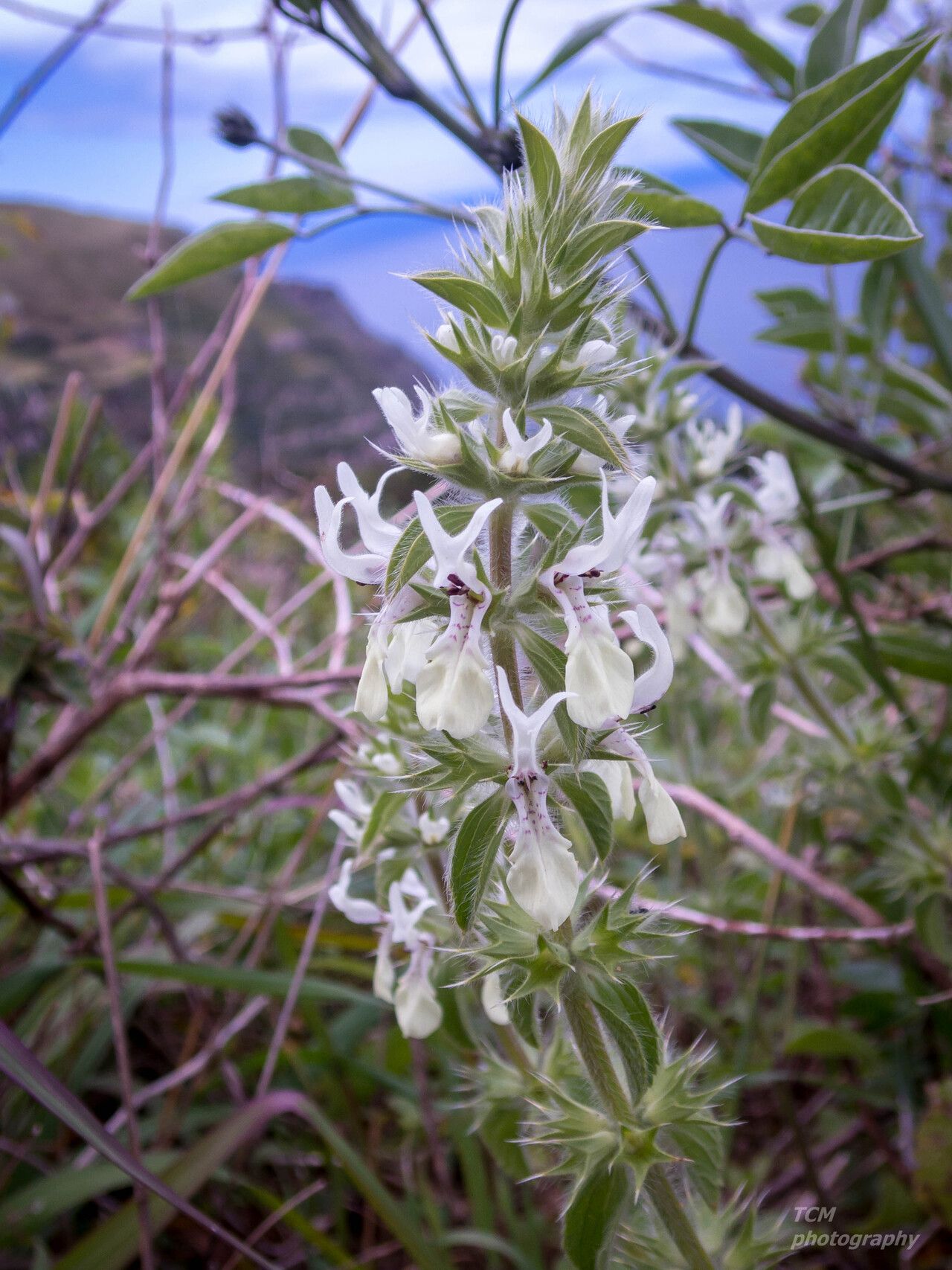
Propagating Betony (Stachys ocymastrum): A Gardener’s Guide
Introduction
Stachys ocymastrum, commonly known as Betony, is a striking herbaceous perennial prized for its architectural form and silvery-grey foliage. Its tall, upright stems topped with whorls of purple or pink flowers make it a valuable addition to any garden, particularly in borders or as a structural element. The plant’s drought tolerance and relatively low maintenance requirements contribute to its popularity among gardeners. However, propagating Betony can present some unique challenges, making successful propagation all the more rewarding.
Seed Germination
Currently, there are no known reliable methods for seed germination propagation of Stachys ocymastrum. While Betony does produce seeds, germination rates are notoriously low, and even with careful stratification or other techniques, success is inconsistent. This likely stems from the plant’s reliance on vegetative propagation in its natural habitat. Consequently, other methods are generally preferred by gardeners.
Cuttings
Cuttings offer a reliable method for propagating Stachys ocymastrum.
Challenges: The success rate can vary depending on the timing and technique employed. Using older, woody stems will yield lower success rates than younger, more pliable growth.
Practical Tips: Semi-hardwood cuttings, taken in late summer or early autumn, generally provide the best results. Take cuttings 4-6 inches long, removing the lower leaves and dipping the cut ends in rooting hormone before planting in a well-draining propagation mix (e.g., a mix of perlite and peat moss). Maintain consistently moist (but not soggy) conditions and high humidity, ideally using a propagation dome or plastic bag. Rooting may take several weeks.
Rewards: Cuttings offer a quick and relatively straightforward way to increase the number of plants, preserving the exact genetic characteristics of the parent plant.
Division
Division is arguably the easiest and most reliable method for propagating Betony.
Challenges: Division is most successful when plants are actively growing, typically in spring or autumn. Care must be taken to avoid damaging the root system during the process.
Practical Tips: Gently dig up the established plant, carefully separating the roots into individual crowns or sections, each with its own set of shoots and roots. Replant the divisions immediately, ensuring adequate spacing for growth. Water thoroughly after planting.
Rewards: Division allows for rapid propagation and is less technically demanding than other methods. It is also efficient for increasing the numbers of already established plants.
Tissue Culture
Tissue culture propagation of Stachys ocymastrum is possible but generally not undertaken by home gardeners due to the specialized equipment, sterile conditions, and technical expertise required.
Challenges: Establishing a sterile lab setting, selecting suitable growth media, and managing the various stages of tissue culture are significant hurdles.
Practical Tips: Experts utilize specific plant growth regulators and meticulous sterile techniques to initiate and maintain the cultures.
Rewards: Tissue culture provides a method for mass propagation and disease elimination, especially desirable for large-scale commercial production. This is rarely a practical option for the home gardener however.
Conclusion
Propagating Stachys ocymastrum offers varying levels of challenge depending on the chosen method. While seed germination proves unreliable, cuttings and division offer viable alternatives for home gardeners, with division being the easiest option. Tissue culture remains a specialized technique best left to professionals. The unique satisfaction of cultivating Betony from a cutting or division, overcoming the initial hurdles, is a testament to the persistence and reward at the heart of gardening. For aspiring propagators, we encourage starting with division and then experimenting with cuttings. With patience and attention to detail, even the most challenging propagation methods can yield success.