
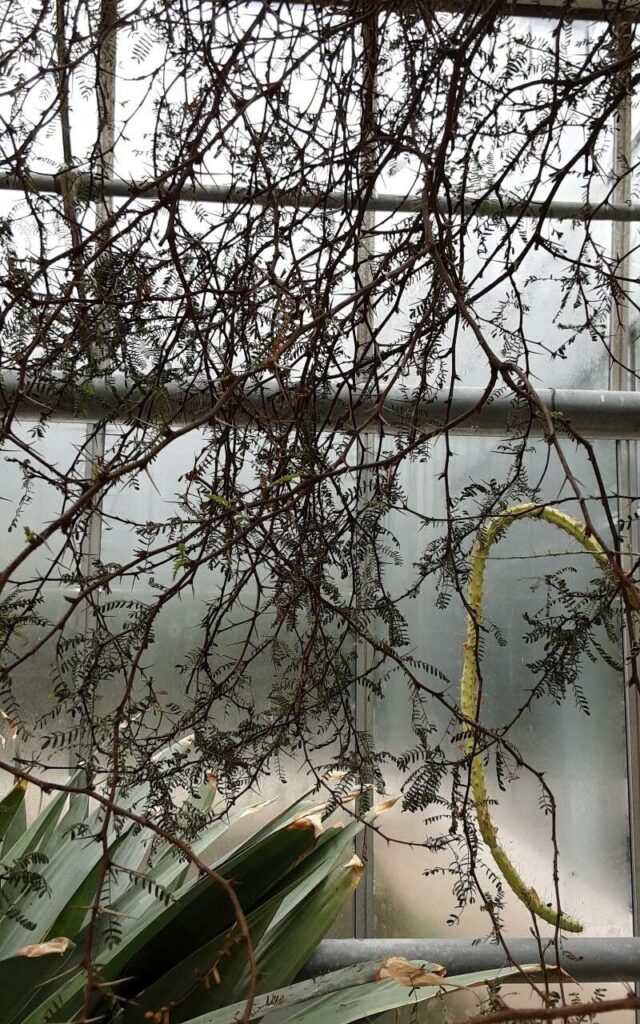
Taming the Desert: How to Propagate the Resilient Tamarugo Tree
The Tamarugo (Prosopis tamarugo), a tenacious tree native to the Atacama Desert, is a symbol of resilience and adaptation. This remarkable species thrives in one of the driest places on Earth, providing shade, food, and even fuel for local communities. But how can you bring this desert wonder to your own home? The answer lies in propagation – the art of creating new plants from existing ones.
Seeds of Resilience:
The most common way to propagate Tamarugo is through seeds. These tiny seeds require a unique combination of conditions to germinate:
- Scarification: The hard seed coat needs to be weakened to allow water and oxygen to penetrate. This can be achieved by soaking the seeds in hot water (around 80°C) for 5-10 minutes, or by gently nicking the seed coat with a sharp knife.
- Warmth: Tamarugo seeds prefer warm temperatures for germination, ideally around 25-30°C. This can be achieved by using a heat mat or placing the seeds in a well-lit area.
- Moisture: Keeping the soil consistently moist is crucial for germination. However, avoid overwatering, which can lead to root rot.
- Sunlight: Provide ample sunlight to the seedlings as they develop, mimicking the conditions of their arid habitat.
Patience is Key:
Germination can take several weeks, even months. Be patient and persistent, and ensure the soil stays moist and warm. Once the seedlings have developed a few true leaves, they are ready to be transplanted into individual pots or directly into the ground, if you live in a suitable climate.
Other Methods:
While seed propagation is the most common method, Tamarugo can also be propagated through cuttings. This method involves taking a cutting from a mature branch, trimming the leaves and roots, and then planting it in a well-draining soil mix.
Adapting to Your Climate:
While Tamarugo is incredibly resilient, it’s important to remember that it’s a desert plant. If you live in a temperate climate, it’s crucial to provide a sunny, well-drained location and protect the tree from frost during winter.
Planting for a Greener Future:
The Tamarugo tree offers numerous benefits, from combating desertification to providing valuable resources. By learning how to propagate this incredible species, you can contribute to its conservation and spread its resilience to new environments. Whether you’re a seasoned gardener or a curious novice, the challenge of growing a Tamarugo is a rewarding adventure that will connect you to the remarkable stories of adaptation and survival in the world’s driest desert.