
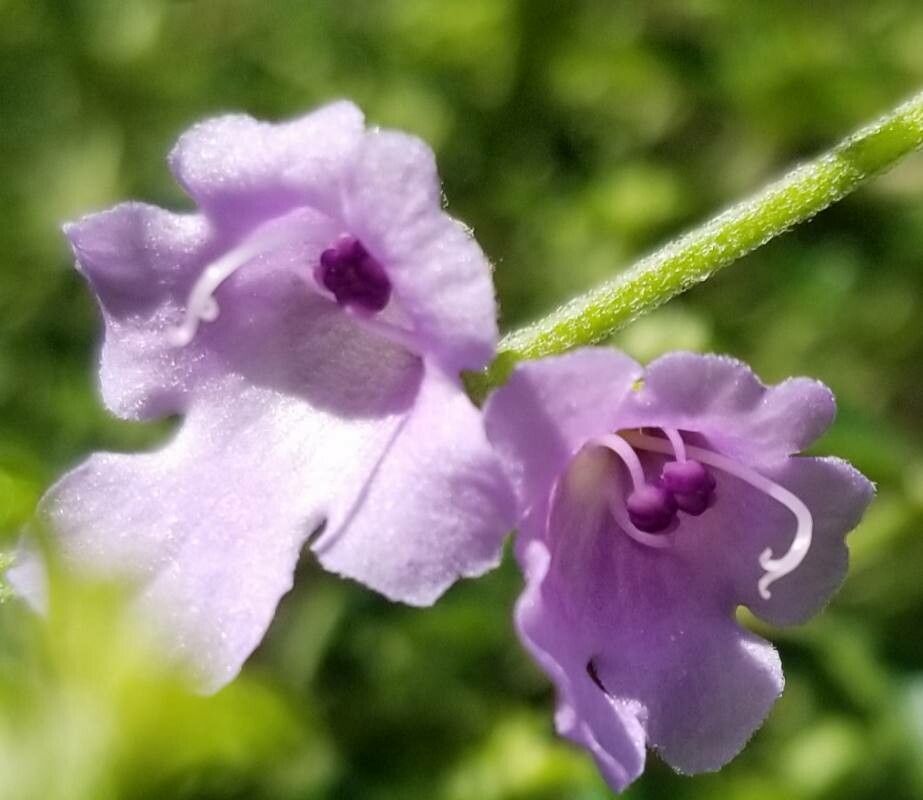
Propagating Prostanthera sieberi: The Victorian Christmas Bush
Introduction:
Prostanthera sieberi, commonly known as the Victorian Christmas Bush, is a prized Australian native shrub renowned for its vibrant, fragrant, typically pink-purple (though variations exist) flowers that bloom around Christmas. Its attractive foliage, typically grey-green and aromatic, adds further ornamental value. Its popularity among gardeners stems from its relatively low maintenance needs once established, drought tolerance, and the spectacular display of its flowers. However, propagating this beautiful shrub can present unique challenges, making successful cultivation all the more rewarding.
Seed Germination:
Currently, there are no known reliable methods for seed germination propagation of Prostanthera sieberi. While seeds may be produced, their germination rate is notoriously low, and successful germination has not been consistently replicated. Further research into specific requirements, such as pre-treatment methods or specific germination mediums, is needed to determine if seed propagation can become a viable option.
Cuttings:
Cuttings offer a more reliable method for propagating Prostanthera sieberi.
Challenges: The success rate can vary depending on timing and technique. Using semi-hardwood cuttings (taken from new growth that has begun to harden) generally yields better results than using softwood cuttings. Also, ensuring sufficient humidity and preventing fungal infection are critical.
Tips: Take cuttings approximately 10-15cm long from non-flowering stems in late spring or early summer. Remove lower leaves, dip the cut end in rooting hormone, and plant in a well-draining potting mix, ideally one with added perlite. Cover the cuttings with a plastic bag or cloche to maintain high humidity. Keep the cuttings in a bright but shaded location, ensuring the soil remains consistently moist but not waterlogged.
Rewards: Cuttings offer a relatively quick method to produce genetically identical plants, preserving desirable traits of the parent plant. This is particularly valuable for maintaining rare cultivars or desirable characteristics.
Division:
Division is a viable, albeit more limited, method for propagating established plants of Prostanthera sieberi.
Challenges: This method is only suitable for mature plants with well-developed root systems. In addition, careless division can damage the plant, leading to reduced vigor or even death.
Tips: Dig up the mature plant carefully, ensuring as much of the root system is intact as possible. Divide the plant into sections, each with sufficient roots and stems. Replant immediately in well-draining soil and water thoroughly.
Rewards: Division offers a quick way to increase the number of plants, and the divided plants will grow more quickly than plants raised from cuttings. However, this method is less effective than cuttings for multiplying a specific and desirable plant.
Tissue Culture:
Tissue culture offers the potential for large-scale propagation of Prostanthera sieberi.
Challenges: This method requires specialized equipment, sterile conditions, and expertise in plant tissue culture techniques. It is also significantly more expensive than other methods.
Tips: Establishing a reliable tissue culture protocol requires considerable experimentation to determine the optimal growth medium, plant growth regulators, and sanitation procedure.
Rewards: Tissue culture allows for the rapid and mass propagation of disease-free plants, opening opportunities for commercial production and conservation of rare cultivars.
Conclusion:
Propagating Prostanthera sieberi presents unique challenges, with cuttings offering the most reliable and readily accessible method for the home gardener. Successful propagation, regardless of the method employed, requires patience, attention to detail, and a good understanding of the plant’s specific needs. While seed germination remains unreliable, and tissue culture requires specialized resources, the rewards of successfully cultivating this beautiful native shrub are immense. The vibrant display of flowers and fragrant foliage, achieved after navigating the propagation challenges, provides a deep sense of accomplishment and connection to the Australian landscape. So, take heart aspiring propagators – your dedication will be rewarded with the stunning beauty of the Victorian Christmas Bush.