
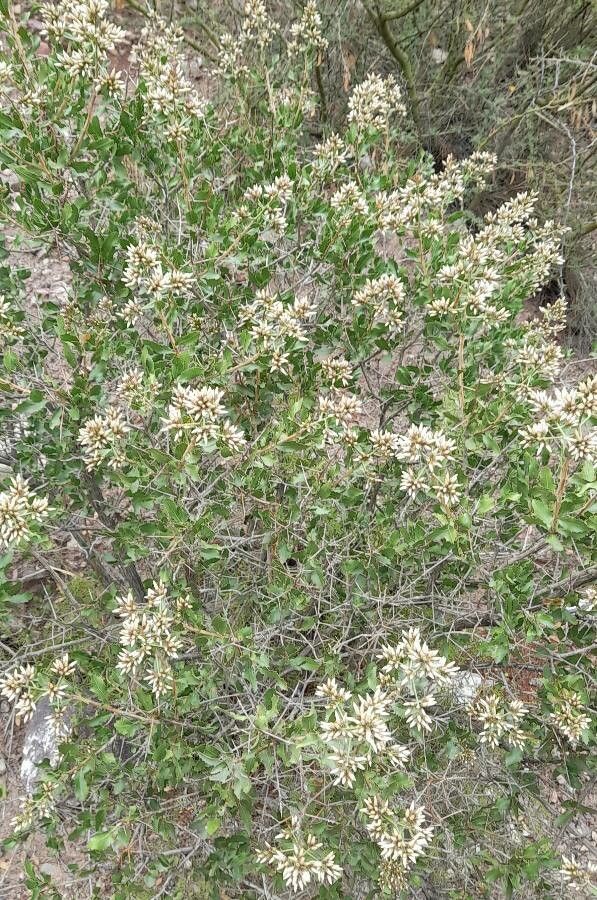
Propagating Proustia cuneifolia: A Gardener’s Guide
Proustia cuneifolia, commonly known as the wedgeleaf proustia, is a captivating shrub prized for its striking silvery foliage and delicate, often fragrant, flowers. Native to the arid regions of South America, its resilience and unique aesthetic quality have made it increasingly popular among gardeners seeking drought-tolerant and visually interesting additions to their landscapes. However, propagating this intriguing plant presents certain challenges, making its successful cultivation all the more rewarding.
Seed Germination:
Currently, there are no known reliable methods for seed germination propagation of Proustia cuneifolia. While seeds may be produced, their viability and germination rate are likely extremely low, perhaps due to dormancy mechanisms or specific environmental requirements not yet identified. Further research into the plant’s reproductive biology would be necessary to unlock the potential of seed propagation.
Cuttings:
Cuttings offer a more promising approach to propagating Proustia cuneifolia.
Challenges: The success rate can be variable depending on factors like the timing of the cutting, the use of rooting hormone, and the maintenance of optimal humidity and temperature. Woody cuttings are generally preferred.
Practical Tips: Take semi-hardwood cuttings (partially mature wood) in late summer or early autumn. Dip the cut ends in a rooting hormone before planting them in a well-draining propagation mix, such as a blend of perlite and vermiculite. Maintain high humidity using a humidity dome or plastic bag, ensuring adequate ventilation to prevent fungal diseases. Consistent, but not excessive, moisture is crucial.
Rewards: Cuttings offer a relatively quick method to obtain genetically identical plants, preserving desirable traits from a mother plant. This makes it ideal for propagating superior specimens or maintaining specific cultivars.
Division:
Division is unlikely to be a successful method for propagating Proustia cuneifolia. The plant’s root system and growth habit do not lend themselves easily to division. Attempts are likely to damage the plant, resulting in failure to establish new plants.
Tissue Culture:
Tissue culture presents a potential, albeit technically demanding, avenue for propagation.
Challenges: Tissue culture requires specialized equipment, sterile techniques, and a thorough understanding of plant tissue culture protocols. Establishing suitable media and growth regulators for Proustia cuneifolia would require significant experimentation.
Practical Tips: Developing a successful tissue culture protocol involves experimenting with different growth media, hormones (auxins, cytokinins), and sterilization techniques. Experts in plant tissue culture would be best suited to undertake this process.
Rewards: Tissue culture allows for large-scale propagation of genetically identical plants, offering the potential for commercial production and conservation efforts.
Conclusion:
Propagating Proustia cuneifolia poses several challenges. While seed germination is currently unreliable, cuttings provide a more viable method, though success depends on careful technique and consistent monitoring. Division is not practical, and tissue culture, while potentially yielding significant rewards, necessitates specialized knowledge and resources. The persistent gardener, however, will find the effort worth it. The unique beauty of Proustia cuneifolia, coupled with its drought tolerance, makes the satisfaction of successfully propagating and cultivating this species exceptionally rewarding. Don’t be discouraged by initial setbacks – perseverance and attention to detail will ultimately lead to cultivating this stunning plant and enriching your garden with its captivating presence. Start with cuttings, focus on creating the right environment, and enjoy the journey!