
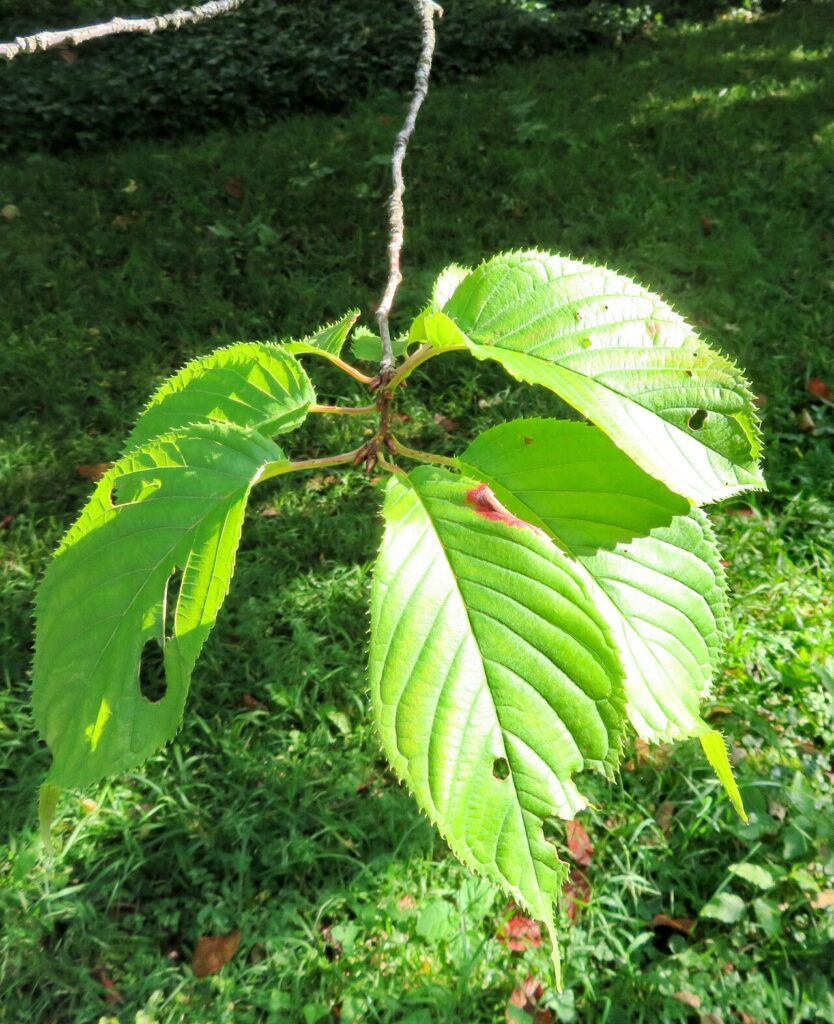
Unlocking the Secrets of the Pink Bells: Propagating Prunus campanulata
The Prunus campanulata, also known as the “Pink Bell Tree,” is a stunning sight with its cascading branches laden with delicate, bell-shaped pink flowers. This beautiful flowering tree adds a touch of elegance and charm to any garden. But beyond its aesthetic appeal lies the intriguing world of propagation, a process that allows you to multiply these exquisite trees and share their beauty with others.
Understanding the Propagation Methods
Prunus campanulata can be propagated using two primary methods:
1. Seed Propagation: This method is the most straightforward but can be a bit time-consuming. The seeds of Prunus campanulata are encased in a tough stone, which requires a period of dormancy before germination.
Here’s how to propagate Prunus campanulata from seeds:
- Collect Seeds: In autumn, gather ripe fruits from the tree and extract the seeds.
- Stratification: The seeds need to be chilled for several months to break their dormancy. You can achieve this by placing them in a bag filled with moist peat moss and storing it in the refrigerator for 3-4 months.
- Sowing: Once the stratification period is complete, sow the seeds in a seed tray filled with seed starting mix. Keep the soil moist, and provide bright indirect light.
- Germination: Seeds typically germinate within a few weeks. Once the seedlings have several true leaves, they can be transplanted into individual pots.
- Patience: Remember, seed-grown Prunus campanulata may take 3-5 years to flower.
2. Cuttings: This method involves taking cuttings from mature plants and rooting them to create new plants. It’s a faster and more reliable way to propagate Prunus campanulata compared to seed propagation.
Here’s how to propagate Prunus campanulata from cuttings:
- Timing is Key: The best time to take cuttings is in late summer or early fall when the wood is semi-hardened.
- Cutting Preparation: Cut healthy, pencil-sized stems from the current year’s growth. Make the cuts just below a leaf node. Remove leaves from the bottom 2-3 inches of the cutting.
- Rooting Hormone: Dip the cut ends of the cuttings in rooting hormone for enhanced root development.
- Planting: Insert the cuttings into a pot filled with a rooting medium like perlite or vermiculite. Ensure that the cuttings are planted deep enough to leave only the top 2-3 inches exposed.
- Environment: Place the pot in a warm, bright, and humid environment. You can also use a mini-greenhouse or a plastic bag to maintain humidity.
- Rooting: It can take several weeks to a few months for the cuttings to root. Once the roots have developed, you can transplant them into individual pots.
Choosing the Right Method
Both methods offer a unique pathway to propagate Prunus campanulata. If you are patient and have plenty of time, seed propagation is a rewarding journey. However, if you desire a faster and more reliable method, cuttings are the way to go.
No matter which method you choose, remember that consistent care is essential for successful propagation. Provide adequate light, humidity, and water to encourage healthy growth and a successful outcome.
With a little effort and patience, you can propagate your own Prunus campanulata, ensuring a garden filled with the enchanting beauty of its pink bells for years to come.