
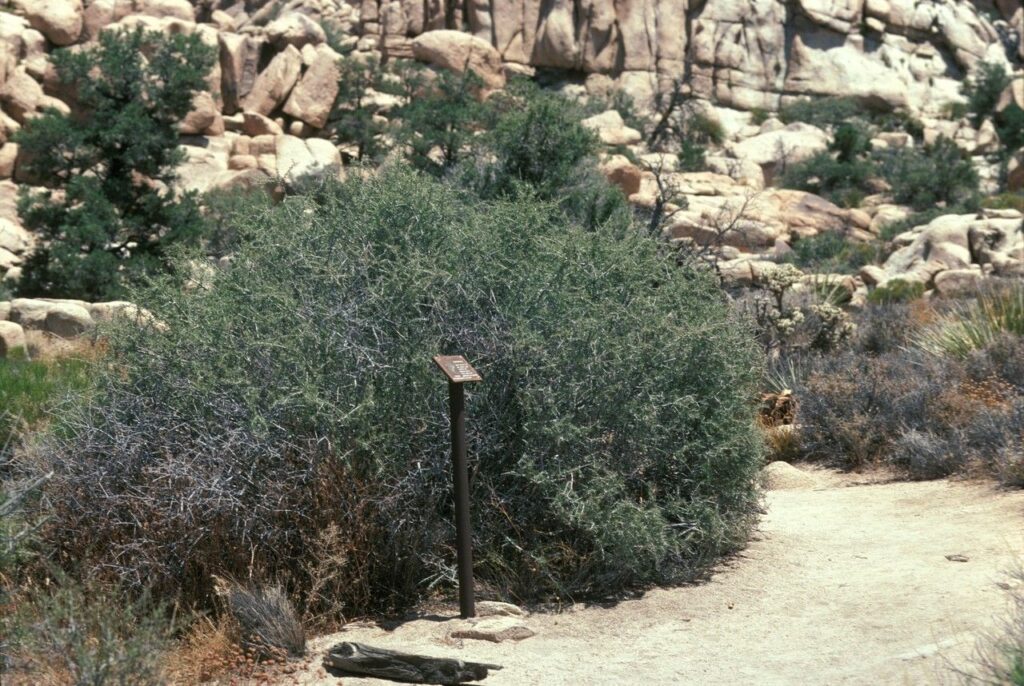
From Tiny Seed to Towering Tree: Propagating the Exquisite Prunus fasciculata
The Prunus fasciculata, also known as the Desert Almond, is an eye-catching shrub with delicate pink blooms and striking foliage that transforms from green to fiery scarlet in autumn. Growing this beauty in your garden is a rewarding experience, and one of the most enjoyable ways to achieve this is through propagation.
Propagation allows you to create new plants identical to the parent plant, ensuring the vibrant colors and unique characteristics are passed down. But, with the Desert Almond, understanding the nuances of propagation is crucial.
Seeds: A Slow and Steady Journey
While possible, starting a Prunus fasciculata from seed is a long-term commitment. It’s a natural method, and with patience, you can reap the rewards. Here’s how to sow your seeds:
- Harvest mature seeds: Locate the small, drupe-like fruits on your Desert Almond after they turn dark brown. Extract the hard seeds within.
- Scarification: The seed coat of the Prunus fasciculata is tough, hindering germination. Use sandpaper or a file to lightly scarify the seed coat, making tiny scratches.
- Stratification: Mimic the natural cold period required for germination. Wrap the seeds in moist paper towels or a damp cloth, seal in a plastic bag, and refrigerate them for 6 to 8 weeks.
- Sowing: After stratification, sow the seeds in a well-draining potting mix in individual pots or a seed tray. Keep the soil consistently moist, but not soggy, and place the pots in a sunny location.
- Patience: Germination can take several weeks or even months. Once seedlings emerge, nurture them in a protected environment for at least a year before transplanting outdoors.
Cuttings: A Faster Track to Growth
If you’re looking for quicker results, propagating from cuttings is a good choice. The Desert Almond responds well to this method:
- Take cuttings: In late spring or early summer, select softwood cuttings from the current year’s growth. These cuttings should be about 4-6 inches long with healthy foliage.
- Prepare the cutting: Remove the lower leaves and dip the cut end in rooting hormone powder.
- Planting: Insert the cuttings into a rooting medium like perlite, vermiculite or a peat-based mix. Keep the medium consistently moist and place the cuttings in a bright location with indirect light.
- Protect and nurture: Cover the cuttings with a plastic dome or wrap to maintain humidity and prevent them from drying out.
- Root development: Expect roots to develop in 4-6 weeks. You can gently tug on the cutting to check if it’s rooted. Once roots are established, gradually acclimate the cuttings to outdoor conditions.
Tips for Success
- Choose healthy plant material: Only use cuttings or seeds from healthy, vigorous plants.
- Use sterile tools: To prevent disease, sterilize your knife or pruning shears with rubbing alcohol before taking cuttings.
- Maintain proper moisture: Consistent moisture is crucial for root development in both seeds and cuttings.
- Provide adequate light: Choose a location with bright, indirect light for your cuttings, ensuring they receive at least 6-8 hours of light per day.
- Be patient: Propagation takes time. Don’t get discouraged if you don’t see results immediately.
Rewarding Efforts
By understanding the propagation methods for the Desert Almond, you’ll be able to cultivate this striking shrub with ease. Whether you choose to embark on the lengthy journey of seed propagation or opt for the faster track of cuttings, the rewards are worth the time and effort. You’ll gain a deeper appreciation for the beauty of this plant while contributing to its continued success in your garden and beyond.