
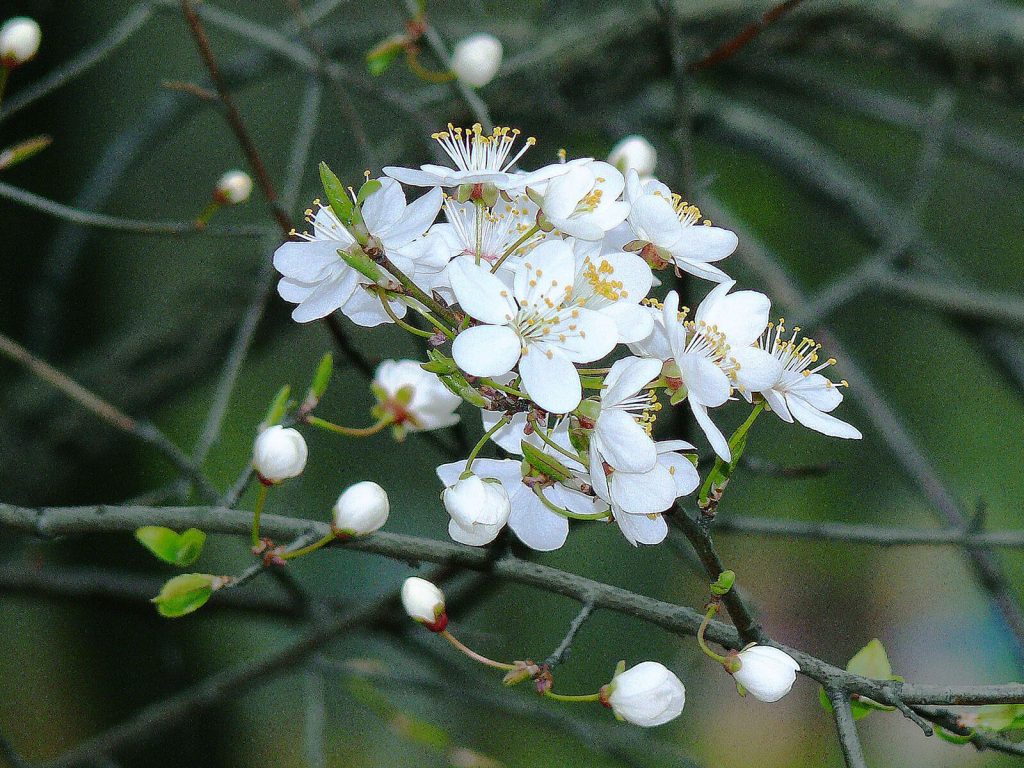
Propagating Prunus fruticosa: A Guide to Cultivating the Plum-Leafed Cherry
Prunus fruticosa, commonly known as the plum-leaved cherry or dwarf cherry, is a delightful deciduous shrub appreciated for its profusion of small, white flowers in spring followed by attractive dark red fruit. Its relatively compact size and tolerance of various soil conditions make it a popular choice among gardeners, particularly for hedges, borders, and informal planting schemes. However, propagating this charming shrub can present unique challenges. The success of propagation hinges on understanding the specific needs of this species and employing the appropriate techniques.
Seed Germination:
Currently, there are no known reliable methods for seed germination propagation of Prunus fruticosa. While seeds may germinate under ideal conditions, the process is notoriously unpredictable and often results in low germination rates and significant seedling variation. The long dormancy period and the hard seed coat are major hurdles. Therefore, relying on seed propagation for Prunus fruticosa is generally not recommended.
Cuttings:
Cuttings offer a more reliable method for propagating Prunus fruticosa. Semi-hardwood cuttings, taken in late summer or early autumn, demonstrate the highest success rate.
Challenges: The cuttings are susceptible to fungal diseases, particularly if humidity is not carefully managed. Root development can be slow.
Practical Tips: Use a sharp knife or shears to take 4-6 inch cuttings from non-flowering stems. Remove lower leaves, dip the cut end in rooting hormone, and plant in a well-draining propagating mix (e.g., a mix of peat moss and perlite). Provide bottom heat and high humidity using a propagator or covering with a plastic bag. Regular misting is crucial.
Rewards: Cuttings produce genetically identical plants, ensuring the preservation of desirable traits. This method is relatively straightforward for generating a reasonable number of plants.
Division:
Division of established Prunus fruticosa plants is a feasible method, particularly for larger, well-established shrubs.
Challenges: Dividing the root system can be disruptive to the plant, potentially causing stress. Success depends on careful handling and ensuring each division has a healthy root system.
Practical Tips: Divide in early spring or autumn. Dig up the entire shrub and carefully separate it into several sections, each with its own set of roots and shoots. Replant the divisions immediately, providing adequate watering and care.
Rewards: Division is a quick and effective method for increasing plant numbers, offering a quicker establishment compared to cuttings. It avoids the intricacies of seed germination or tissue culture.
Tissue Culture:
Tissue culture propagation offers potential for large-scale production of Prunus fruticosa, but it requires a specialized laboratory setting and expertise.
Challenges: This method is highly technical, expensive, and requires stringent sterile conditions. Specialized equipment and knowledge of plant tissue culture techniques are essential.
Practical Tips: Sterile procedures are paramount. A skilled horticulturalist must select healthy plant material and follow established protocols for sterilization, media preparation, and plant growth regulation.
Rewards: Tissue culture allows for the rapid multiplication of superior clones, producing a large number of genetically uniform plants. It presents an opportunity for disease eradication and the conservation of rare genotypes.
Conclusion:
Successfully propagating Prunus fruticosa involves understanding its unique characteristics and adapting propagation methods accordingly. While seed germination is problematic, cuttings and division offer reliable pathways for home gardeners. Tissue culture, though challenging, offers the potential for large-scale production. The rewards—be it preserving a favorite cultivar through cuttings, quickly multiplying a cherished shrub through division, or establishing a large-scale nursery operation via tissue culture—are worth the effort. The inherent satisfaction derived from nurturing a tiny cutting into a thriving shrub or coaxing a division into a robust plant is a testament to the gardener’s skill and patience, underscoring the enduring joy of cultivating this charming species. Remember diligent care and observation are key to successful propagation, regardless of the chosen method.