
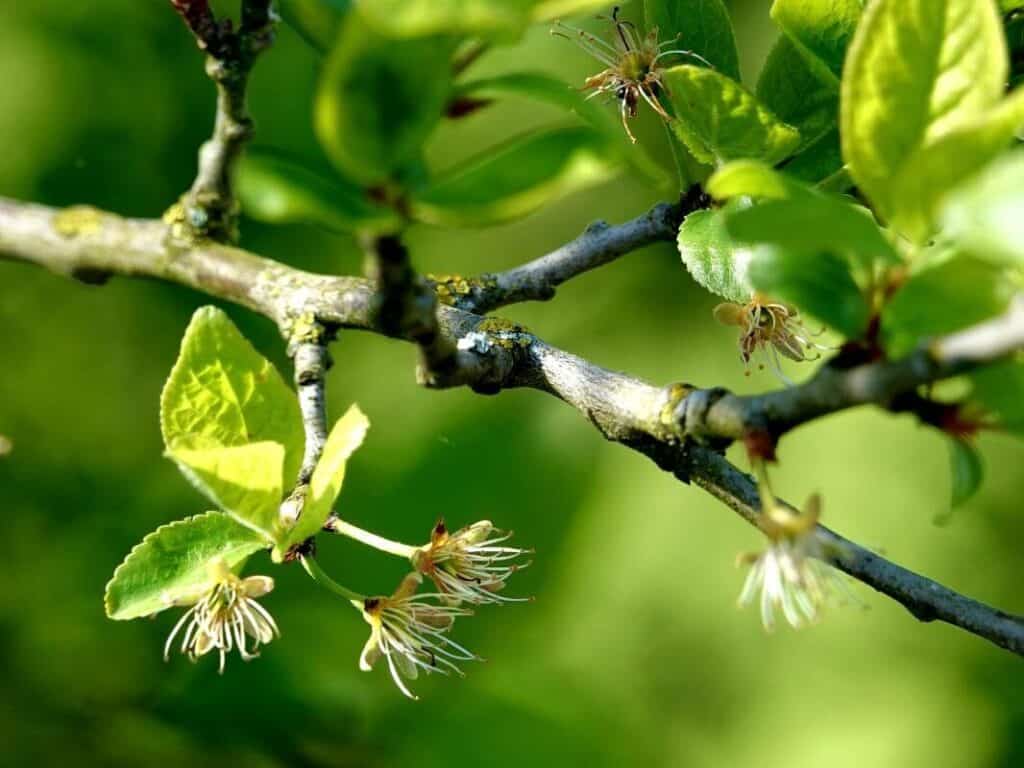
Multiply Your Mini Orchard: Propagating Dwarf Russian Almonds (Prunus fruticosa)
The Dwarf Russian Almond, also known as Prunus fruticosa, is a delightful shrub prized for its delicate spring blooms and compact size. Perfect for adding a touch of whimsy to smaller gardens or even large planters, this hardy plant is relatively low-maintenance. But did you know that you can easily propagate it and multiply your spring spectacle?
While finding Prunus fruticosa at your local nursery might be possible, propagating your own allows you to expand your collection for free, share this beautiful plant with friends, or even cultivate a unique variety from a particularly stunning specimen.
Here’s a closer look at the most effective propagation methods for Dwarf Russian Almonds:
1. Hardwood Cuttings: A Simple and Effective Technique
Taking hardwood cuttings is the most popular way to propagate Prunus fruticosa, boasting a high success rate even for beginner gardeners. Here’s how to do it:
- Timing is key: Take cuttings in late fall or early winter when the plant is dormant, and the stems are woody.
- Select healthy stems: Look for vigorous, disease-free stems about the thickness of a pencil.
- Make the cut: Cut a 6-8 inch section from the stem, making a clean cut just below a leaf node (where the leaf joins the stem).
- Prepare the cutting: Remove any leaves from the bottom third of the cutting. Dip the cut end in rooting hormone powder to encourage root development.
- Potting mix and environment: Plant the cutting in a pot filled with a well-draining potting mix, burying about a third of it. Water well and keep the soil consistently moist but not soggy.
- Patience is rewarded: Place the pot in a sheltered location with indirect sunlight. Roots should start to form in a few months.
2. Softwood Cuttings: For the More Adventurous Gardener
Softwood cuttings take a bit more finesse but can be done in late spring or early summer when the plant is actively growing.
- Look for new growth: Choose young, pliable stems that haven’t yet flowered.
- Prepare the cutting: Similar to hardwood cuttings, take a 4-6 inch cutting, this time making the cut just above a leaf node.
- Promote rooting: Remove the lower leaves and wound the base of the cutting slightly to expose the cambium layer. Dip it in rooting hormone before planting.
- Careful care: Plant in a well-draining mix, water well, and cover the pot with a plastic bag to create a humid environment.
- Monitor closely: Keep the cuttings in a well-lit area, out of direct sunlight. They will need consistent moisture and good ventilation to prevent rot.
3. Seed Propagation: A Lengthy but Rewarding Process
While possible, propagating Prunus fruticosa from seed takes significantly longer, and the resulting plants might not display the same characteristics as the parent plant. However, it can be a fun experiment for the patient gardener.
- Collect ripe fruits: Harvest ripe fruit in late summer or early fall.
- Extract and stratify the seeds: Remove the fleshy part of the fruit and clean the seeds. To mimic natural winter conditions, stratify the seeds by placing them in a damp paper towel inside a sealed plastic bag in the refrigerator for 8-12 weeks.
- Time to plant: After stratification, sow the seeds in seed trays filled with a seed-starting mix.
- Provide optimal conditions: Place the tray in a warm, bright location and keep the soil consistently moist. Germination may take several weeks or even months.
Propagating your own Dwarf Russian Almonds is a rewarding experience that allows you to enjoy even more of these charming plants. Whether you choose the straightforward hardwood cutting method or delve into the world of seed propagation, you’ll be contributing to the beauty of your garden and embracing the fulfilling practice of plant parenting.