
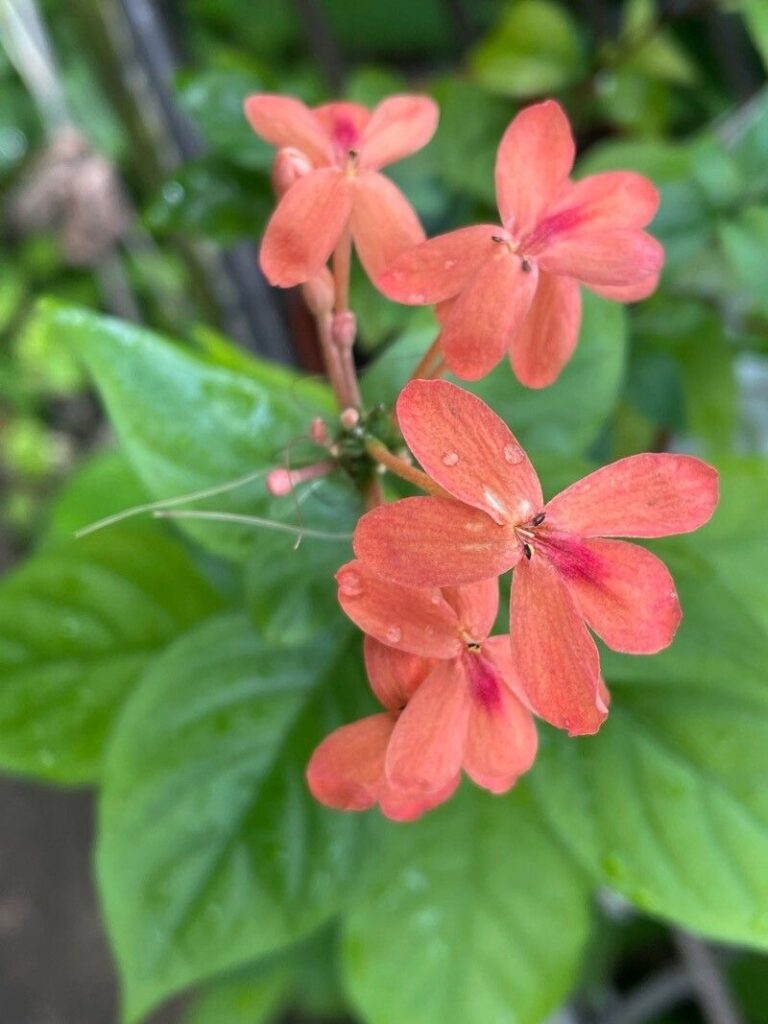
Painting Your Garden Purple: Propagating the Showy Pseuderanthemum hildebrandtii
If you’re looking to add a splash of vibrant color and a touch of the tropics to your garden, look no further than the Pseuderanthemum hildebrandtii. This eye-catching shrub, often referred to as the Purple Glory Bush or simply Purple False Eranthemum, boasts stunning, deep purple foliage and delicate pink flowers, making it a real showstopper. While readily available in nurseries, there’s a certain satisfaction that comes with propagating your own. Luckily, propagating Pseuderanthemum hildebrandtii is a relatively simple process, achievable for even novice gardeners.
There are two main methods for propagating this beautiful plant:
1. Stem Cuttings:
This is the most common and easiest method for propagating Pseuderanthemum hildebrandtii. Here’s how:
- Timing: Spring or early summer, when the plant is actively growing, is the ideal time to take cuttings.
- Taking the Cutting: Choose a healthy, non-flowering stem that’s about 4-6 inches long. Make a clean cut just below a leaf node (the point where a leaf emerges from the stem) using sharp, sterilized pruning shears.
- Preparing the Cutting: Remove the lower leaves from the cutting, leaving 2-3 pairs at the top. You can dip the cut end in rooting hormone powder to stimulate root development, although this isn’t strictly necessary.
- Planting the Cutting: Plant the cutting in a small pot filled with a well-draining potting mix. Make sure at least two leaf nodes are buried in the soil.
- Creating a Humid Environment: Mist the cutting and cover the pot with a clear plastic bag or humidity dome to create a warm, humid environment. Place it in a bright location, out of direct sunlight.
- Watering: Keep the soil consistently moist but not waterlogged.
- Rooting: Within 4-6 weeks, you should notice new growth, indicating that roots have successfully developed. At this point, you can gradually acclimate the cutting to normal humidity levels by making small holes in the plastic bag or removing the humidity dome for increasingly longer periods.
2. Seed Propagation:
While less common, Pseuderanthemum hildebrandtii can also be propagated from seed. This method requires a bit more patience:
- Seed Collection: Collect seeds from the small, inconspicuous seed pods that appear after the flowers fade. Allow the pods to dry completely on the plant before collecting.
- Sowing: Sow the seeds in a seed tray filled with a seed starting mix. Lightly press the seeds into the soil and cover them with a thin layer of vermiculite.
- Germination: Keep the soil moist and place the tray in a warm, bright location. Germination can take anywhere from a few weeks to a couple of months.
- Transplanting: Once the seedlings have developed a few sets of true leaves, transplant them into individual pots.
Regardless of your chosen method, propagating Pseuderanthemum hildebrandtii is a rewarding experience. By following these simple steps, you’ll soon have a bounty of these stunning shrubs to brighten up your garden. Remember, patience and proper care are key to successful propagation. With a little effort, you can enjoy the beauty of this tropical gem for years to come.