
Fluffy Beginnings: How to Propagate Jersey Cudweed (Pseudognaphalium luteoalbum)
While the name “cudweed” might not roll off the tongue with the same elegance as “rose” or “lily,” don’t let that fool you. Pseudognaphalium luteoalbum, often called Jersey Cudweed, is a fascinating plant with a subtle beauty all its own. This worldwide wanderer pops up in unexpected places, offering delicate yellow blooms and adding a touch of wildness to gardens.
If you’ve stumbled upon this intriguing plant and want to encourage its spread, you’re in luck! Propagating Jersey Cudweed is surprisingly easy, even for beginners. Let’s unravel the secrets to multiplying this charming little wildflower.
Two Paths to Propagation:
Jersey Cudweed can be propagated through two main methods:
-
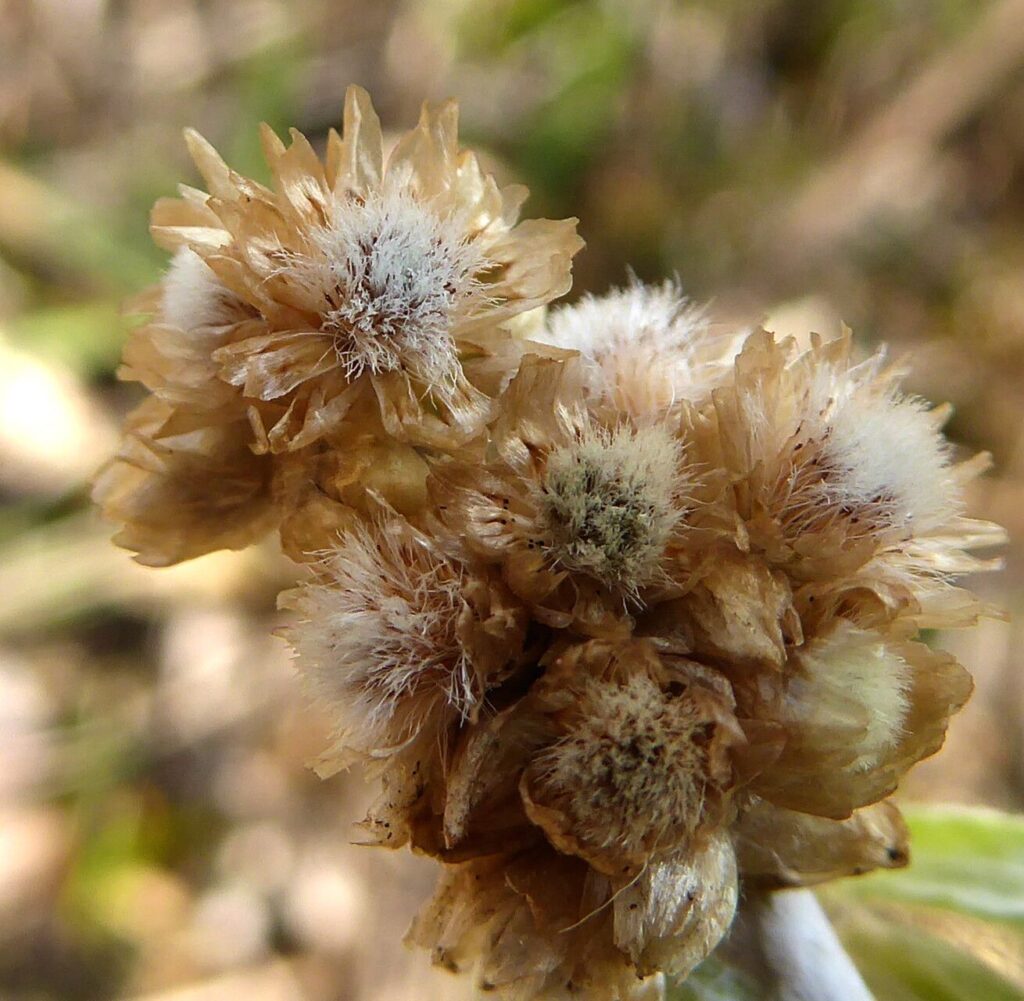
Seeds: Like many wildflowers, Jersey Cudweed is a prolific seeder. In late summer and fall, you’ll notice the plant developing fluffy seed heads (hence the “cudweed” name!).
- Collecting Seeds: Simply wait until the seed heads begin to dry and turn brown. Gently rub them between your fingers to release the tiny, dust-like seeds.
- Sowing: Scatter the seeds directly onto the soil in late fall or early spring. Choose a location with full sun to partial shade and well-drained soil. Don’t bury the seeds, as they need light to germinate.
- Patience is Key: Germination can take anywhere from a few weeks to a couple of months, depending on the temperature and moisture levels.
-
Cuttings: For those seeking quicker results, taking cuttings is a reliable alternative.
- Timing is Everything: The ideal time for taking cuttings is in the spring when the plant is actively growing.
- Taking the Cutting: Use clean, sharp shears or scissors to take 4-6 inch cuttings from healthy stems. Remove the leaves from the bottom inch of the cutting.
- Creating Roots: Dip the cut end in rooting hormone (optional but helpful). Plant the cutting in a well-draining potting mix, burying the node (where the leaves were removed).
- Nurturing Growth: Water the cutting thoroughly and cover the pot with a plastic bag to create a humid environment. Make sure the plastic doesn’t touch the cutting. Place the pot in indirect light.
- Transplanting: After a few weeks, gently tug on the cutting to check for resistance, a sign of root development. Once rooted, the cutting can be transplanted into a larger pot or directly into the garden.
Caring for Your New Plants:
Jersey Cudweed is relatively low-maintenance once established.
- Watering: Water regularly during the first growing season to help the roots establish. Once established, it’s fairly drought-tolerant.
- Soil: Well-drained soil is crucial.
- Sunlight: While it prefers full sun, it can tolerate partial shade.
A Wildflower Worth Sharing:
Propagating Jersey Cudweed is a rewarding experience, allowing you to cultivate these charming wildflowers and share them with others. Whether you choose to scatter seeds to the wind or carefully nurture cuttings, you are contributing to the beauty and biodiversity of your local environment. So go ahead, embrace the fluff, and let Jersey Cudweed weave its magic in your garden!