
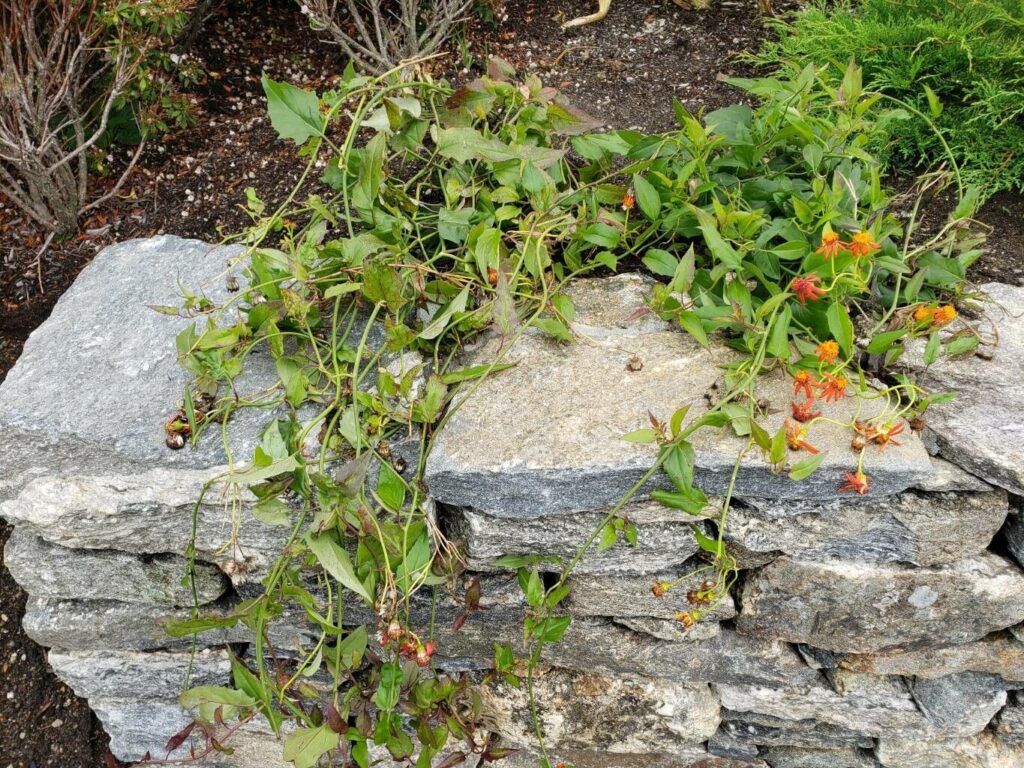
Taming the Climbing Daisy: Propagation Techniques for Pseudogynoxys chenopodioides
Pseudogynoxys chenopodioides, also known as the Climbing Daisy, is a vibrant climber with cheerful yellow blooms that bring a touch of sunshine to any garden. While the name might be a mouthful, don’t let that deter you! This vigorous vine, native to South America, is surprisingly easy to propagate, even for beginner gardeners.
This guide will delve into the two most effective methods for multiplying your Climbing Daisy collection:
1. Propagation from Stem Cuttings:
This method harnesses the plant’s natural ability to regenerate from segments. Here’s a step by step guide:
a) Taking the Cutting:
- Choose a healthy, non-flowering stem from your Pseudogynoxys chenopodioides.
- Using clean, sharp shears, cut a 4-6 inch section just below a leaf node (the point where a leaf emerges).
- Remove the leaves from the bottom inch of the cutting to prevent them from rotting in the soil.
b) Encouraging Root Development:
- (Optional) Dip the cut end of the stem in rooting hormone powder to encourage faster and more successful rooting.
- Fill a small pot with a well-draining potting mix.
- Create a hole in the center of the soil and carefully insert the bottom inch of the cutting. Gently firm the soil around the stem.
c) Providing the Right Environment:
- Water the cutting thoroughly, ensuring the soil is moist but not waterlogged.
- Place the pot in a warm, bright location away from direct sunlight.
- Maintain humidity around the cutting by covering the pot with a clear plastic bag or using a humidity dome. This helps retain moisture and promotes root development.
d) Transplanting the Cutting:
- After 4-6 weeks, gently tug on the cutting. Resistance indicates successful rooting.
- Once rooted, remove the plastic cover and gradually acclimate the cutting to less humid conditions.
- When new growth appears, transplant the rooted cutting into a larger pot or directly into your garden.
2. Propagation from Seed:
While less common than cuttings, Pseudogynoxys chenopodioides can be grown from seed. Here’s how:
a) Seed Collection and Preparation:
- Collect seeds from mature seed pods on the plant, allowing them to dry completely.
- You can sow seeds directly or store them in a cool, dry place for later use.
b) Sowing the Seeds:
- Fill a seed tray or small pots with a well-draining seed starting mix.
- Sprinkle the seeds evenly over the surface and lightly press them into the soil. Do not bury them too deep.
- Mist the soil surface gently with water, ensuring it’s moist but not soggy.
c) Creating Optimal Conditions:
- Place the seed tray in a warm, bright location, out of direct sunlight.
- Cover the tray with a clear plastic lid or wrap to create a warm, humid environment.
- Keep the soil consistently moist but avoid overwatering.
d) Thinning and Transplanting:
- Germination takes around 2-4 weeks. Once seedlings emerge and have a few sets of true leaves, they can be thinned out, leaving the strongest ones to grow.
- Once the seedlings are large enough to handle, transplant them carefully into individual pots or your garden.
Final Tips for Success:
- Pseudogynoxys chenopodioides thrives in well-drained soil and prefers a sunny to partly shaded location.
- Water regularly, especially during dry periods, but avoid overwatering.
- Provide support for this vigorous climber with a trellis, fence, or other structures.
With these simple techniques, you can successfully propagate your own stunning Climbing Daisy and enjoy an abundance of cheerful yellow blooms for years to come. Happy gardening!