
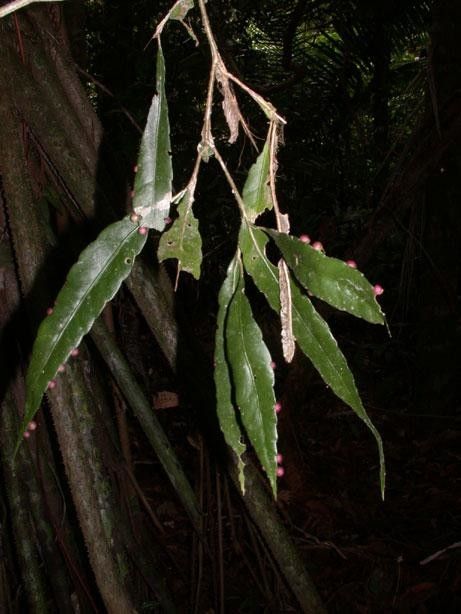
From Snipping to Thriving: Propagating Your Pseudorhipsalis acuminata
The Pseudorhipsalis acuminata, also known as the “Monkey Tail Cactus,” is a stunning plant with long, trailing stems that resemble a cascading waterfall of green. But did you know that this unique cactus is incredibly easy to propagate? Yes, you can easily expand your jungle oasis with new plants from cuttings!
This guide will walk you through the simple steps of propagating your own Pseudorhipsalis acuminata, so you can enjoy the beauty of these amazing plants in abundance.
1. Timing is Everything:
The best time to propagate your Pseudorhipsalis acuminata is during the growing season, which typically spans from spring to early fall. This is when the plant is actively growing and has the most energy to devote to rooting.
2. The Cutting Technique:
Now, here’s how to take the perfect cutting:
- Choose a healthy stem: Look for a strong, non-flowering stem.
- Make a clean cut: Using a sharp knife or pair of shears, cut just below a node, which is the area where leaves or roots can grow. The node should be at least 2-3 inches long and have a healthy tip.
- Let the cutting callous over: This step is crucial for preventing rot. Leave the cutting in a dry, shaded location for a few days to allow the cut end to callous over.
3. Ready for Root Development:
Choosing your medium: You have a few options:
- Soil: A mix of well-draining potting soil and perlite or vermiculite is ideal.
- Water: Propagating in water is a simple and visually appealing option. Use a container with clean water and change it regularly to prevent algae growth.
- Moss: Sphagnum moss provides a moist and airy environment for rooting. Place the cut end of the stem in the moss, ensuring it stays damp but not soggy.
4. Time to Plant!
Soil Propagation: Create a small hole in the chosen soil and insert the callous end of the cutting, ensuring the base is well-supported. Water thoroughly and place the pot in a bright, indirect light location. Keep the soil consistently moist, but not waterlogged.
Water Propagation: Place the cutting in a jar or vase filled with clean water, ensuring the node is submerged in the water. The roots should start to develop within a few weeks.
Moss Propagation: Place a small amount of damp sphagnum moss in a bag or container. Gently insert the cutting into the moss, ensuring the cut end is covered.
5. Patience is key:
It can take anywhere from 2-8 weeks for the cuttings to develop roots. Be patient, and keep the environment consistently warm and moist. You can check for roots by gently pulling on the cutting to see if it offers any resistance.
6. Transplanting Time:
Once the cutting has developed healthy roots, it’s time to transplant it into a pot with well-draining potting soil. Ensure the pot has drainage holes to prevent root rot.
Taking care of your new plant:
Position your new Pseudorhipsalis acuminata in a bright, indirect light location. Water thoroughly when the top inch of soil feels dry to the touch. Fertilize lightly during the growing season using a balanced cactus fertilizer.
And there you have it! By following these simple steps, you can enjoy the beauty of the Pseudorhipsalis acuminata in your home, all thanks to the magic of propagation.