
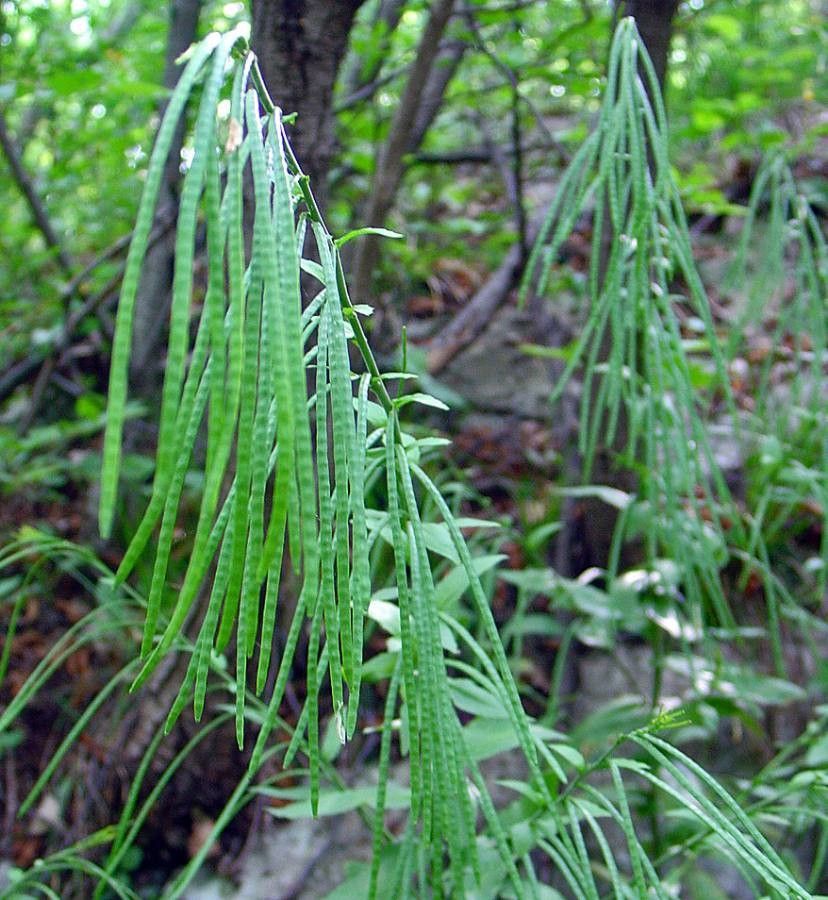
Towering Success: A Guide to Propagating the Statuesque Pseudoturritis turrita
The plant world is bursting with unusual beauties, and among them stands the Pseudoturritis turrita, sometimes affectionately referred to as the False Tower Mustard. This statuesque plant, with its tall, spire-like flower stalks and delicate yellow blooms, might seem like a visitor from another planet, but don’t let its unique appearance intimidate you. Propagating Pseudoturritis turrita is a surprisingly approachable endeavor, even for beginner gardeners. Whether you’re drawn to its architectural form or its charming blossoms, here’s how you can successfully welcome this fascinating plant into your garden.
Understanding the Basics:
Pseudoturritis turrita is a biennial plant, meaning it completes its life cycle in two years. During the first year, it forms a rosette of leaves, storing energy. In its second year, it sends up the characteristic tall flower stalks, blooms, sets seed, and then completes its life cycle. This biennial nature makes understanding its propagation methods key to its long-term presence in your garden.
Propagation Methods:
-
Seeds: The most common and reliable way to propagate Pseudoturritis turrita is by seed.
- Timing is key: Aim to sow seeds outdoors in late summer or early fall. This allows the seeds to experience natural winter conditions, which is essential for germination.
- Preparation: Choose a well-drained location with full sun to partial shade. Scatter the seeds on the surface and lightly press them into the soil, ensuring they receive good contact but aren’t buried deeply.
- Patience is a virtue: Germination can be slow and may occur in the spring. Once seedlings emerge, thin them to provide adequate spacing (approximately 12 inches apart).
-
Divisions: While less common, dividing established plants can be successful, particularly if you have an older plant entering its second year.
- Timing: Divide plants in early spring while the foliage is still relatively small.
- Technique: Carefully dig up the entire plant, ensuring you minimize root disturbance. Using a sharp, clean knife or garden shears, divide the plant into sections, making sure each section has a good portion of healthy roots and shoots. Replant the divisions immediately and water them well.
Caring for Your New Additions:
- Water: While established plants are relatively drought tolerant, newly planted seeds and divisions require regular watering until they become established. Keep the soil moist but avoid waterlogging.
- Sunlight: For optimal growth and flowering, provide your plants with at least 6 hours of sunlight daily.
- Maintenance: Pseudoturritis turrita is generally low-maintenance. Deadhead spent flower stalks to encourage more blooms and prevent self-seeding if desired.
Enjoy the Architectural Beauty:
Propagating Pseudoturritis turrita is a rewarding process that allows you to enjoy the unique beauty of this plant year after year. Whether you’re a seasoned gardener or just starting, its straightforward propagation methods and low-maintenance nature make it a fantastic addition to any garden seeking a touch of the unexpected.