
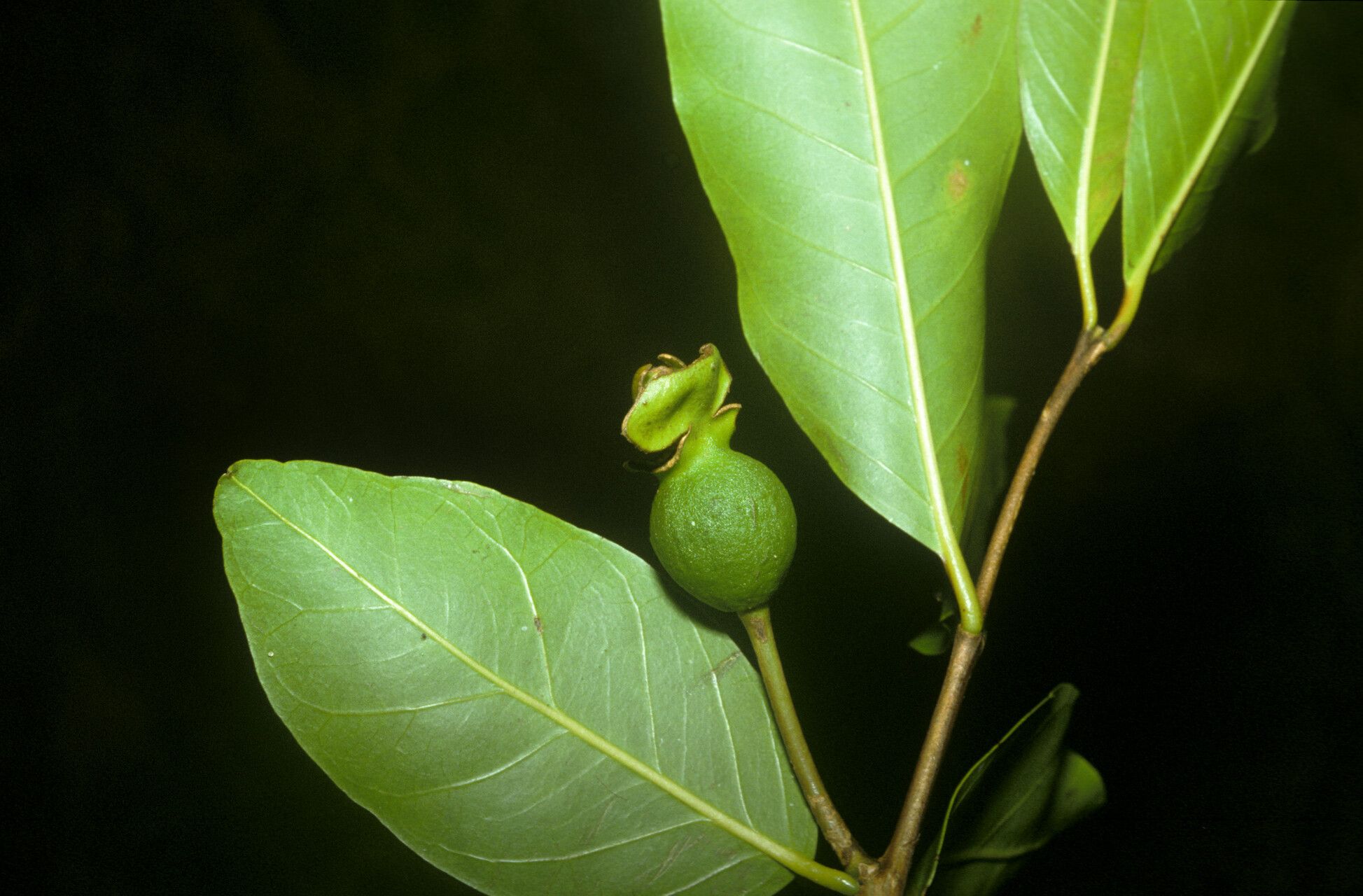
Unlocking the Secrets of the Guava Family: Propagating Psidium Acutangulum
The plant world is a treasure trove of unique and delicious species, and among the hidden gems is the Psidium acutangulum, also known as the Strawberry Guava or Guava Berry. This intriguing relative of the common guava is celebrated for its sweet, tangy fruit that bursts with a flavor reminiscent of strawberries. But beyond its delectable offerings, the Psidium acutangulum holds another enticing characteristic: its ease of propagation.
Whether you’re a seasoned gardener or a curious novice, discovering the art of multiplying this fruitful plant can be incredibly rewarding. Let’s delve into the different methods that unlock the propagation potential of Psidium acutangulum:
1. The Gift of Seeds:
The most accessible way to propagate this plant is through its seeds. While the seeds can be directly sown into the ground, starting them indoors provides a controlled environment for optimal germination.
- Step 1: Extract fresh seeds from ripe Psidium acutangulum fruit. Clean them thoroughly, removing any residual pulp to prevent fungal growth.
- Step 2: Prepare a seed starting mix with good drainage and sow the seeds about half an inch deep.
- Step 3: Maintain a consistently moist environment and provide warmth, ideally around 70-75°F (21-24°C).
- Step 4: With patience and care, you can expect germination within a few weeks to a couple of months.
- Step 5: Once the seedlings develop a strong root system and a few sets of true leaves, they can be transplanted into larger pots or directly into the ground.
2. Cutting to the Chase: Propagation through Cuttings:
For those seeking faster results and clonal replicas of the parent plant, propagating through cuttings is an excellent method.
- Step 1: Select healthy, semi-hardwood cuttings from the current year’s growth. Ideally, choose stems that are about 4-6 inches long and have at least 2-3 nodes.
- Step 2: Remove the leaves from the lower third of the cutting to avoid them rotting in the soil.
- Step 3: Dip the cut end in rooting hormone (optional but recommended for faster rooting).
- Step 4: Plant the cuttings in a well-draining potting mix, burying at least one node below the soil surface.
- Step 5: Maintain consistently moist soil and provide a humid environment using a propagation dome or plastic bag.
- Step 6: Within a few weeks, roots should start to form, and the cuttings will exhibit new growth. Once the cuttings establish a strong root system, they can be transplanted.
Additional Tips for Success:
- Light: Psidium acutangulum thrives in bright, indirect light. Seedlings and cuttings should be provided with ample light, avoiding direct sunlight, which can scorch them.
- Watering: While the plant enjoys moist soil, ensure adequate drainage to prevent root rot. Water thoroughly when the topsoil feels dry to the touch.
- Fertilization: During the growing season (spring and summer), supplement the plant’s nutritional needs with a balanced, diluted fertilizer every 4-6 weeks.
Propagating Psidium acutangulum is a journey that connects you to the marvels of plant reproduction while granting you the joy of cultivating your own source of these exquisite fruits. So, roll up your sleeves, embrace the rewarding process of propagation, and add the uniquely delightful Psidium acutangulum to your edible garden.