
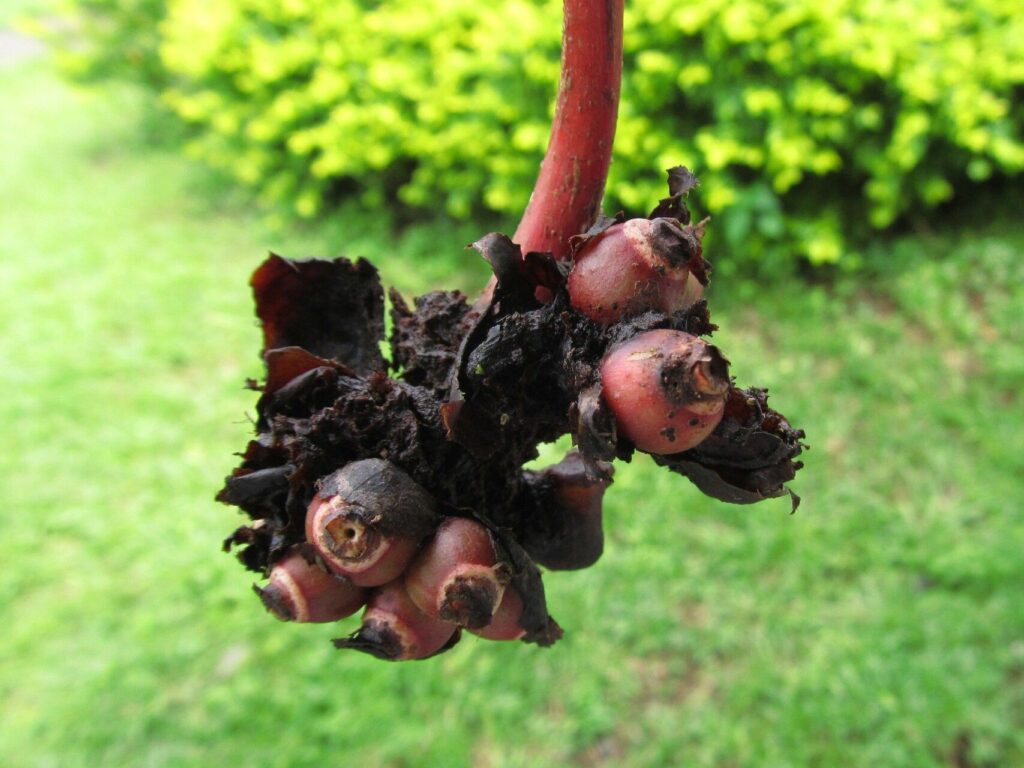
Unveiling the Secrets: How to Propagate the Elusive Psychotria Camptopus
The world of rare plants is full of intriguing specimens, and the Psychotria camptopus, also known as the “Hot Lips Plant” certainly tops the list. Native to the rainforests of Ecuador, this exotic beauty is coveted for its vibrant red, lip-shaped bracts that enclose its delicate white flowers.
If you’re lucky enough to get your hands on this rare gem, you might be wondering how to multiply your treasure. While propagating Psychotria camptopus is known to be a bit challenging, with the right knowledge and a good dose of patience, you can increase your chances of success.
Here’s a comprehensive guide to help you on your propagation journey:
Understanding the Challenges
Before we dive into the methods, it’s crucial to understand that Psychotria camptopus is not the easiest plant to propagate. Its natural habitat in the cloud forests provides very specific conditions – high humidity, dappled light, and consistently warm temperatures. Replicating these conditions is key to successful propagation.
Methods of Propagation
1. Stem Cuttings:
This is the most common method for propagating Psychotria camptopus.
- Timing is Key: Ideally, take cuttings during the plant’s active growing season, which is typically spring or early summer.
- Clean and Sharp: Use a sterile, sharp knife or pruning shears to take cuttings about 4-6 inches long, cutting just below a node (where the leaf attaches to the stem). Remove the lower leaves, leaving 2-3 pairs at the top.
- Rooting Hormone is a Friend: Dip the cut end in rooting hormone powder to encourage root development.
- Create the Ideal Environment: Plant the cuttings in a well-draining potting mix, specifically formulated for tropical plants. Keep the humidity high by covering the pot with a clear plastic bag or using a propagation box.
- Patience is a Virtue: It can take several weeks or even months for roots to develop. Avoid disturbing the cuttings during this time.
2. Air Layering:
This method involves encouraging roots to grow on a stem while it is still attached to the parent plant.
- Choose a Healthy Stem: Select a mature, healthy stem.
- Make an Incision: Carefully make a 1-inch upward cut about a third of the way through the stem, just below a node.
- Apply Rooting Hormone: Dust the cut area with rooting hormone.
- Wrap it Up: Surround the wounded section with moist sphagnum moss and wrap it securely with plastic wrap.
- Wait and Watch: After a few weeks, roots should start to develop. Once the moss is filled with roots, you can cut the stem below the new root system and pot it up.
Care for your New Propagations:
- Light: Provide bright, indirect light. Avoid direct sunlight, as it can scorch the delicate leaves.
- Humidity: High humidity is crucial. Mist your plants regularly or use a humidifier to maintain humidity levels around 60-70%.
- Water: Keep the soil consistently moist, but not soggy. Use lukewarm water and avoid overwatering, which can lead to root rot.
- Temperature: Aim for temperatures between 65-80°F (18-27°C).
Challenges and Troubleshooting:
- Wilting or Yellowing Leaves: Could be a sign of overwatering, underwatering, or insufficient humidity.
- Root Rot: Indicated by mushy stems and a foul odor. This is often caused by overwatering or poorly draining soil.
- Pests: Keep an eye out for common pests like spider mites and aphids, and treat them promptly.
Propagating Psychotria camptopus requires patience and dedication, but the rewards of nurturing this botanical gem from its early stages are truly fulfilling. Embrace the challenge, and soon you’ll have more of these captivating “Hot Lips” gracing your plant collection!