
Propagating Psychotria cornuta: A Gardener’s Guide to the Horned Psychotria
Introduction
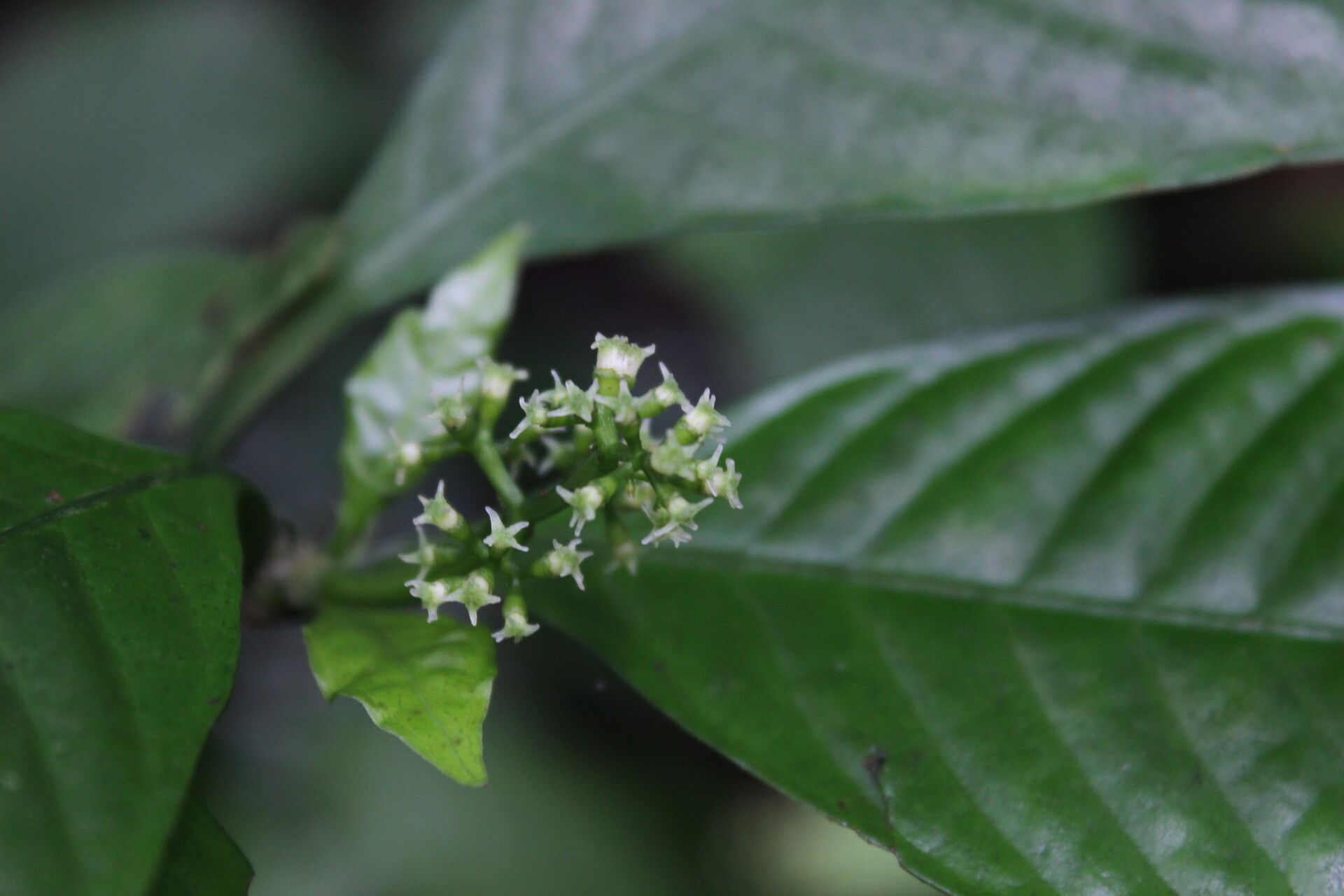
Psychotria cornuta, also known as the horned psychotria, is a captivating shrub prized for its striking, often vibrant, foliage and unique inflorescences. Its glossy leaves and the unusual shape of its flowers and fruits make it a highly sought-after addition to tropical and subtropical gardens, conservatory collections, and even as a houseplant. While its beauty is undeniable, propagating Psychotria cornuta presents several challenges, making success all the more rewarding. Its relative rarity in cultivation further fuels the interest in successfully propagating this species.
Seed Germination
Currently, there are no known reliable methods for seed germination propagation of Psychotria cornuta. While seeds may be produced, their viability and germination rates are likely very low, hampered potentially by factors such as underdeveloped embryos or specific germination requirements not yet understood. Further research is needed to determine if seed germination is a feasible propagation method for this species.
Cuttings
Cuttings represent a more promising avenue for propagation compared to seed germination.
Challenges: Psychotria cornuta cuttings can be slow to root and prone to fungal infections. The success rate often depends heavily on environmental conditions, particularly humidity and temperature.
Practical Tips: Semi-hardwood cuttings taken in late summer or early autumn usually show the best results. Use a rooting hormone and a well-draining propagation mix. High humidity levels, ideally achieved using a propagation chamber or humidity dome, are crucial. Bottom heat can also significantly improve rooting success. Regularly monitor for fungal growth and take preventative measures.
Rewards: Cuttings offer a relatively quick way to produce genetically identical plants compared to seed propagation, ensuring the preservation of desirable traits.
Division
Division is only feasible for established, mature Psychotria cornuta plants.
Challenges: Psychotria cornuta typically doesn’t produce readily divisible root systems. Dividing the plant may cause significant stress and potentially kill parts of the original plant if not conducted carefully.
Practical Tips: Division should only be attempted in spring or early summer when the plant is actively growing. Ensure each division has a substantial root system and sufficient foliage. Careful handling is vital to minimize damage to the roots and stems.
Rewards: Division allows for a quick increase in the number of plants, particularly advantageous if you already possess a mature specimen.
Tissue Culture
Tissue culture offers the potential for large-scale propagation of Psychotria cornuta, bypassing many of the challenges associated with other methods.
Challenges: Establishing a successful tissue culture protocol for Psychotria cornuta requires specialized knowledge, equipment, and a sterile environment. The process is relatively expensive and time-consuming.
Practical Tips: This method necessitates a controlled environment with sterile media, specific growth regulators, and meticulous aseptic techniques. Finding an established protocol for Psychotria cornuta may require collaboration with botanical research institutions.
Rewards: Tissue culture allows for the rapid and mass production of genetically uniform plants, making it ideal for commercial propagation or the conservation of rare cultivars.
Conclusion
Propagating Psychotria cornuta presents unique challenges, with cuttings showing the most promise for the home gardener. While seed propagation is currently unreliable, and division is only suitable for established plants, tissue culture offers a high-potential route for large-scale production. However, the potential rewards – the addition of this strikingly beautiful plant to your garden – far outweigh the difficulties. The success of propagating this challenging, yet rewarding, species brings immense satisfaction to any gardener; the patience and persistence required to overcome the obstacles involved only amplify the joy of cultivating this exotic jewel. If you are passionate about the horticultural pursuit, don’t be discouraged by the challenges – your persistent effort will be generously rewarded.